- المعلم: Mohamed ZELLAGUI
التصنيف: M1S2: أدب حديث ومعاصر

Elearning Mila University 2025-2026
تحتوي هذه المادة على عناصر الميتابوليزم الثانوي وإستعمالاتها في الإنتاج الصناعي
Licence Génie civil (Semestre 6)
Souvent les étudiants se posent la question:
« Quelles sont les compétences qui seront acquises par nous tout le long de ce semestre ? »
Nous pensons qu’au-delà des compétences techniques et théoriques, que peut acquérir un étudiant
tout le long de son cursus, il faut préciser que l’étudiant en fin de semestre arrivera surtout à
développer sa propre vision des VRD et affiner sa compréhension des voiries et des réseaux divers.
A titre indicatif les VRD concernent aussi la construction et l'entretien des réseaux d'évacuation d'eau
de pluie, ou d'eaux usées. Ces réseaux permettent à un terrain de recevoir une construction. Ces
travaux permettent aussi l'embellissement d'un environnement urbain ou rural lors de travaux
d'enfouissement des réseaux, de pavage des rues ou de réfection des trottoirs. Ils sont fonction de
l'aménagement prévu et des besoins de la population. Ainsi, ils sont différents suivant que l'on
projette de construire un lotissement, une zone commerciale, une zone industrielle ou un espace
public.
L’étudiant apprendra donc dans cette matière l'ensemble des ouvrages et des travaux d'infrastructures
relatifs à la réalisation et à l'aménagement des voies d'accès et de circulation à la périphérie des
constructions: voiries, trottoirs, pistes cyclables, espaces verts, éclairage public, mobilier urbain,
etc.
هده المادة مخصصة لسنة الأولى جدع مشترك علوم اقتصادية، تجارية وعلوم التسيير ، السداسي الثاني.


تمكين الطالب من التعرف على مفاهيم إدارة المستشفيات ومراحل تطور المستشفيات والخدمات التي
تقدمها وهي خدمات مختلفة باختلاف مستوى المؤسسة الصحية والمصالح التي تتوفر عليها وأهدافها
المادة التعليمية إدارة تكنولوجيا المعلومات (Information Systems Management – ISM) موجهة لطلبة السنة الثالثة ليسانس في تخصص إدارة الأعمال. تهدف إلى تزويد الطلبة بالمعارف والمهارات الضرورية لفهم وتسيير نظم المعلومات داخل المنظمات، مع التركيز على التخطيط، التنفيذ، المراقبة والتقييم.
تُمكّن هذه المادة الطالب من:
فهم أبعاد الإدارة المرتبطة بنظم المعلومات.
تطبيق وظائف إدارة الأعمال على مشروع نظام معلومات.
التعرف على أدوات وتقنيات حديثة في مجال تسيير المعلومات.
إيجاد حلول لمختلف الإشكاليات المعاصرة المرتبطة بإدارة نظم المعلومات.
يشمل محتوى المادة محاور متعددة مثل: مدخل لفهم نظم المعلومات، التحديات الحديثة، الإدارة الاستراتيجية للنظم، البعد التنظيمي، التخطيط والتصميم، التنفيذ، التقييم والإدامة، إضافةً إلى معالجة قضايا حديثة كأمن المعلومات وحوكمة النظم...
تُقدَّم المادة عبر محاضرات وأعمال موجهة/تطبيقية، مع تقييم يعتمد على الامتحانات، البحوث، المشاركة والمواظبة بصيغة هجينة.
:هده المادة تدرس لطبلة سنة أولى جدع مشترك وفق المحاور التالية
المحور الأول: المنفعة القياسية
المحور الثاني: المنفعة الترتيبية
المحور الثالث: دوال الطلب والمرونات
محاضرات وتطبيقات حول الاقتصاد الكلي موجهة لطلبة السنة الثانية علوم اقتصادية، تشمل المحاور المحددة من طرف الوزارة.
محاضرات اقتصاد نقدي وأسواق رأس المال موجهة لطلبة السنة الثانية علوم اقتصادية وتجارية.
بعد اكتساب المادة على الطالب أن يلم بـ:
- فهم النقود وتطورها التاريخي ووظائفها وأشكالها؛
- مكونات الكتلة النقدية، ومختلف الأنظمة النقدية؛
- مكونات النظام البنكي ووظائفه، وطرق ضبط السياسة النقدية؛
- التعرف على السوق النقدي والسوق النقدي الجزائري.
محاضرات اقتصاد نقدي وأسواق رأس المال موجهة لطلبة السنة الثانية علوم اقتصادية وتجارية.
بعد اكتساب المادة على الطالب أن يلم بـ:
- فهم النقود وتطورها التاريخي ووظائفها وأشكالها؛
- مكونات الكتلة النقدية، ومختلف الأنظمة النقدية؛
- مكونات النظام البنكي ووظائفه، وطرق ضبط السياسة النقدية؛
- التعرف على السوق النقدي والسوق النقدي الجزائري.
يحظى موضوع الإدارة المالية المتقدمة بأهمية بالغة لما تقتضيه الضرورة من دراسة المسائل المرتبطة بقرارات الاستثمار والتمويل وإدارة المخاطر وتقييم القيمة داخل المؤسسة، وهي قضايا ذات أثر مباشر في الأداء والاستدامة. سنتناول هذه الجوانب بالتفصيل عبر محاور المقرر الآتية: مقدّمة في الإدارة المالية المتقدمة، تكلفة رأس المال ونماذج قياسها، القيمة الزمنية للنقود، أساسيات العائد والمخاطر، تقييم الأدوات المالية طويلة الأجل، قرارات التمويل، قرارات الاستثمار الرأسمالي، سياسات توزيع الأرباح، مؤشرات الأداء من منظور خلق القيمة، نماذج تقييم المؤسسة، والنماذج الحديثة في التمويل، مع تطبيقات عملية وتمارين كمية لقياس وتشخيص الحالة المالية للمنظمة.
الفئة المستهدفة: طلبة اولى ماستر تخصص ادارة مالية

مجموعة من التطبيقات تتمحور حول علاقة الأدب الجزائري ةالرواية على وجه الخصوص بالفنون المجاورة خاصة المسرح والسينما والتلفزيون.
يتم تدريس هذه المادة لطلبة الدكتوراه تخصص اقتصاد نقدي وبنكي وتخصص تحليل اقتصادي واستشراف
وذلك عن طريق تقنية google meet
يهدف هذا المقياس الى التعريف بالأسواق المالية المتقدمة من خلال شرح معناها، وسيماتها، وأنواعها، وكذا استعراض أبرز الأسواق المالية المتقدمة وخصائصها. كما يهدف أيضا الى التعريف بالأسواق المالية الناشئة من خلال ابراز نشأتها وتطورها، ومفهومها، وتصنيفاتها، وخصائصها، والمشاكل التي تتعرض لها، وكذا أبرز الأسواق المالية الناشئة وخصائصها
ملخص مادة التجارة الإلكترونية لطلاب الليسانس سنة ثالثة مالية وتجارة دولية
أهداف المادة:
المعارف المسبقة:
المعارف والمهارات المستهدفة:
آفاق مجال التجارة الإلكترونية وتطبيقتها:
كيف يمكن لطلابك كسب المال من خلال تعلمها:
التشريع الجبائي الجزائري موجه الى طلبة الدكتوراه سنة أولى شعبة علوم التسيير تخصص ادارة مالية
محاضرات و أعمال موجهة
1. الأهداف البيداغوجية:
o التعرف على مكونات الشعر العربي الحديث والمعاصر، ومنطلقاته منذ حملة نابليون على مصر إلى اليوم.
o يهدف هذا المقياس إلى تسليط الضوء على التغيرات التي طرأت على الشعر في العصرين الحديث والمعاصر.
o التّعرّف على الاتجاهات الشعرية في الشعر العربي الحديث، والمعاصر.
o تمييز خصائص الشعر العربي المعاصر.
o تحديد مضامين النص الشعري العربي المعاصر.
o التّعرف على الشعراء العرب في هذا العصر، وتصنيفهم.
o تحليل قصائد شعرية حديثة ومعاصرة.
2. المعارف المسبقة المطلوبة:
o سبق للطالب خلال فترة الليسانس التعرف على الأدب العربي الحديث والمعاصر بصورة مجملة في مادتي الأدب الحديث والأدب المعاصر.
3. برنامج المادة التعليمية:
o مسار الشعر العربي المعاصر
o تأسيس القصيدة العربية المعاصرة
o رحلة التجديد في القصيدة العربية المعاصرة
o خصائص القصيدة العربية المعاصرة
o مظاهر الحداثة الشعرية
o مسار الشعر العربي المعاصر
o الغموض
o الرمز
o الأسطورة
o قصيدة النثر بين القبول والرفض
o مجلة شعر والدعوة إلى كتابة قصيدة النثر
o الخصائص الفنية لقصيدة النثر
o ما بعد قصيدة النثر (الأدب الرقمي، الومضة...)

محاضرات الصيرفة الاسلامية كاملة حسب المقرر الدراسي موجهة لطلبة السنة الثالثة لسانس اقتصاد نقدي وبنكي/ السداسي السادس/ من اعداد الاستاذ أوصالح عبد الحليم
المالية الدولية المعاصرة: مادة موجهة لطلبة السنة الأولى دكتوراه، للسداسي الثاني من السنة الجامعىة (2019/2020 )
التخصص: تحليل اقتصادي واستشراف
يعتبر مفهوم المقاولاتية بمثابة إقامة مشروع، لكن اليوم اختلفت وجهات النظر حول مفهوم المقاولاتية وقد عرفت بأشكال مختلفة وفقا لتوجهات وأفكار الباحثين والرواد، فالمقاولاتية مفهوم يمكن أن يعرف من عدة جوانب، والتي تتراوح من المعنى الضيق محل الشروع (البدء) في أعمال خاصة، إلى المعنى الواسع مثل موقف العمل، وبشكل عام تعرف المقاولاتية بطريقتين، الأولى على أساس أنها نشاط أو مجموعة من الأنشطة تدمج لإنشاء مؤسسة أو بشكل أشمل إنشاء نشاط، أما الثانية فيمكن تعريفها من خلالها على أنها تخصص جامعي أي علم يوضح المحيط وسيرورة خلق ثروة وتكوين اجتماعي من خلال مجابهة خطر بشكل فردي وهو ما سيتم تناوله في هذه الدرس؛
وبالنسبة لمقياس المقاولاتية فهو مقياس في الأصل يتبع لميدان الاقتصاد والتسيير فهو أحد التخصصات المحورية في شعبة علوم التسيير، لكنه أصبح يدرس على نطاق واسع في العديد من الميادين والشعب والتخصصات بما فيها التخصصات التقنية وهذا في إطار سعي الدولة الجزائرية ممثلة في وزارة التعليم العالي والبحث العلمي لتوجيه الطلبة ودفعهم نحو إنشاء مشاريع خاصة والمساهمة في الاقتصاد بدل انتظار الوظيفة، إن الغرض الأساسي من تدريس مقياس المقاولاتية لطلبة تخصص هندسة الطرائق تعريف الطلبة بمختلف المفاهيم المعلقة بالمقاولاتية والمقاول والمفاهيم ذات العلاقة، بالإضافة إلى مساعدة الطلبة على تكوين خلفية نظرية حول المجال وكيفية تسيير المؤسسات، وكيفية البحث عن فكرة مشروع ومن ثم إنشاء مشروع مقاولاتي خاص بالإضافة إلى كيفية إعداد مخطط الأعمال الخاص بمشروعهم.
محاضرات موجهة لطلبة السنى أولى أدب عربي حديث ومعاصر
طلبة السنة الأولى دكتوراه، للسداسي الثاني من السنة الجامعىة (2019/2020 )،
الشعبة والتخصصات:
- علوم التسيير: إدارة مالية، إدارة أعمال، تسيير الموارد البشرية.
- علوم اقتصادية: تحليل اقتصادي واستشراف، اقتصاد نقدي وبنكي.
يحتوي البرنامج علي مايلي، وهي عبارة عن بحوث ودراسات حالات مختلفة مطلوب من الطلبة انجازها، والمحاور المقترحة من طرفنا هي:
1. التحليل التناظري
2. التحليل التمييزي
3. التحليل العنقودي
4. تحليل التباين الأحادي
5. تحليل التباين الثنائي
6. التحليل العاملي الاستكشافي
يعتبر مقياس تقنيات تسيير البورصة من المقاييس المهمة لتخصص اقتصاد نقدي ومالي، ويكتسب هذه الأهمية من الواقع الاقتصادي له، بحيث تزايد الاهتمام بالأسواق المالية، وخاصة البورصات في معظم الاقتصاديات العالمية، نظرا لدورها الهام في استمرار النشاط الاقتصادي من خلال شبكة الخدمات المالية الواسعة والمتنوعة التي توفرها، بالاضاف الى الدور الحيوي الذي تؤديه في تحقيق التنمية الاقتصادية، باعتبارها أحد المصادر المهمة لتمويل القطاعات التي تعاني من عجز في السيولة النقدية
وسوف نقوم في هذا المقياس بتقديم مجموعة من الدروس وفقا للبرنامج الوزاري والموجهة لطلبة السنة الأولى ماستر تخصص اقتصاد نقدي ومالي، حيث قسم هذا المقياس الى ثمانية محاور يحتوي كل محور على محاضرات مبسطة تمكن الطالب من استيعابها بكل سهولة، بالاضافة إلى ذلك يتم تقديم مجموعة من البحوث المقترحة في حصص الاعمال الموجهة والمكملة لمحتوى المحاور المقدمة في المحاضرات

مادة جباية المؤسسة ، تعتبر ضمن الوحدة الأساسية الخاصة التكوين تخصص محاسبة و جباية
تتكون المادة من خمسة محاور هي:
المحور الأول-عموميات حول الجباية
المحور الثاني - الإطار الجبائي للرسم على القيمة المضافة
المحور الثالث-الإطار الجبائي للرسم على النشاط المهني
المحور الرابع- الضريبة على أرباح الشركات
المحور الخامس-الضريبة على الدخل الإجمالي
 تعنى محاسبة الشركات
بالمعالجة المحاسبية للقواعد المطبقة في الشركات التجارية سواء المتعلقة بتأسيسها
أو تسيرها أو تعديلها أو تصفيتها..الخ.
تعنى محاسبة الشركات
بالمعالجة المحاسبية للقواعد المطبقة في الشركات التجارية سواء المتعلقة بتأسيسها
أو تسيرها أو تعديلها أو تصفيتها..الخ.
من خلال هذا المقياس سيتم تناول المحاور التالية:
المحور الأول: مدخل لمحاسبة الشركات؛
المحور الثاني: محاسبة تأسيس الشركات؛
المحور الثالث:عمليات تخصيص النتيجة؛
المحور الرابع: تعديل رأس المال في الشركات ؛
المحور الخامس: إندماج الشركات؛
المحور السادس: تجميع الشركات؛
المحور السابع: تصفية الشركات.

To learn about the course outline, its assessment components, and other relevant information, including how to contact the instructor, please refer to the attached course guide.
للتعرف على محاور المادة ومعاملاتها، ومختلف المعلومات المتعلقة بها وكيفية التواصل مع الأستاذة، يرجى الاطلاع على دليل المادة المرفقمحاضرات مصادر اللغة+ امال موجهة
دروس مقياس المنهجية للسداسي1 ماستر1 أدب حديث و معاصر
تعد مادة مادة نظم المعلومات الإدارية (Management Information Systems - MIS) من المواد الأساسية في علوم التسيير، حيث تركز على كيفية استخدام نظم وتكنولوجيا المعلومات في دعم اتخاذ القرارات الإدارية وتحقيق أهداف المنظمة.

هذه المحاضرة خاصة بطلبة ليسانس لغة وأدب عربي .السنة الأولى.
Cet espace est réservé aux enseignanats du centre universitaire de mila, contient tous les documents et formations pour les aider à performer la creation du contenu.

Le module Administration des Réseaux vise à former les étudiants à la gestion des infrastructures réseau modernes. Il permet d'approfondir les connaissances dans les protocoles IPv4/IPv6, la configuration des équipements réseau, la gestion de la transition IPv4 vers IPv6, et la mise en place de politiques de sécurité. Le module couvre également les nouvelles architectures comme le SDN, préparant ainsi les étudiants aux défis actuels et futurs de l'administration réseau.
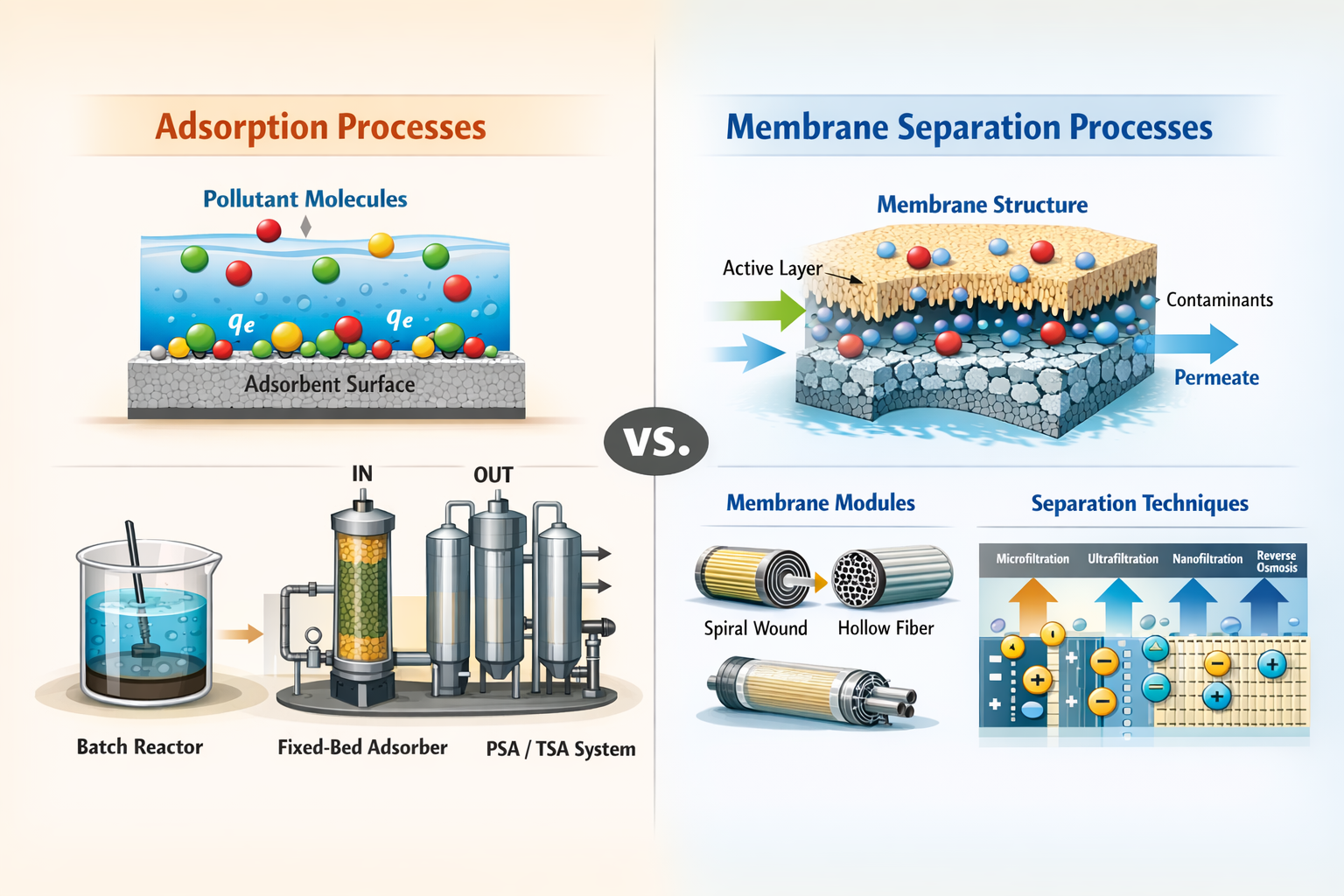
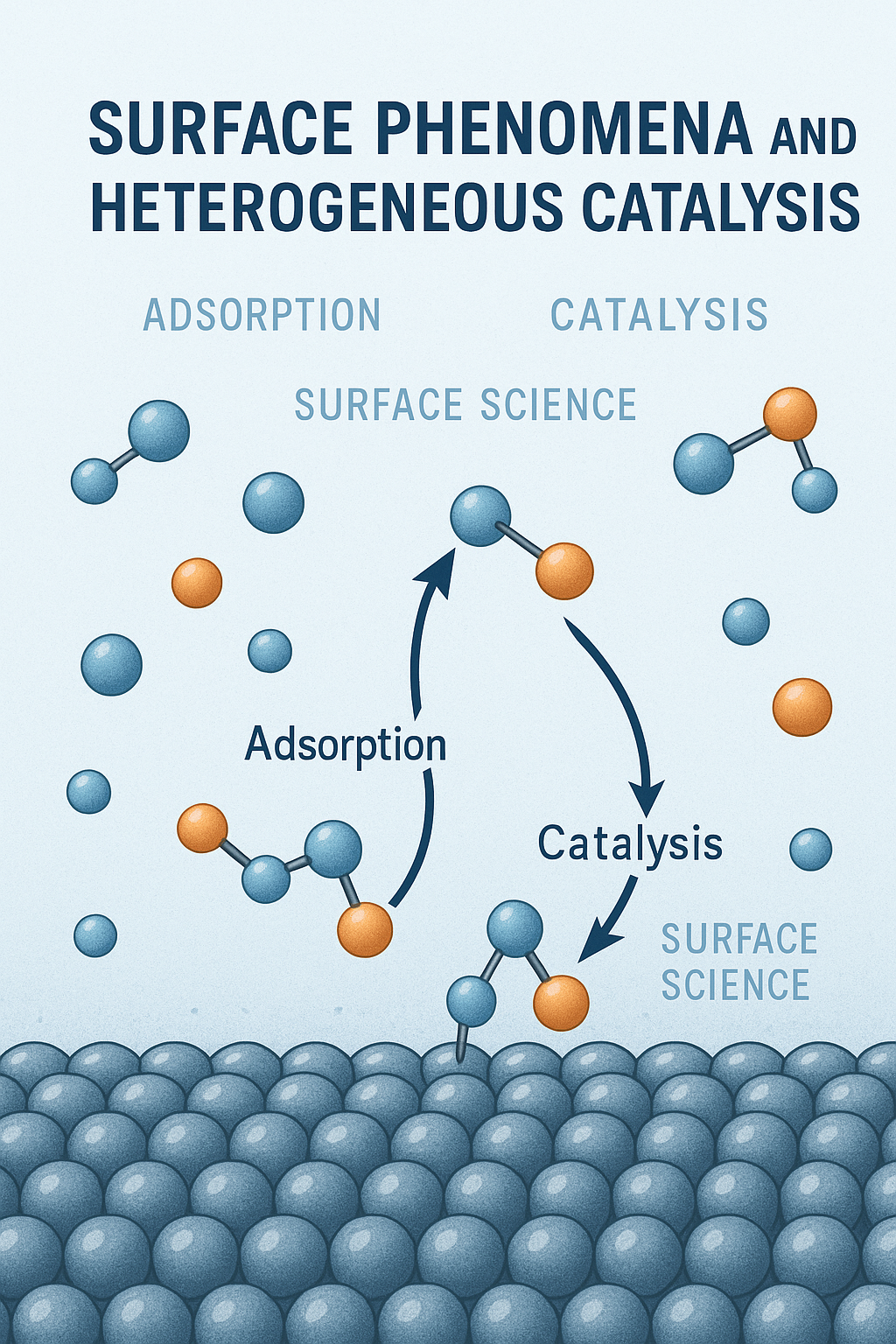
This course provides fundamental knowledge on adsorption and membrane separation processes. It aims to equip students with the theoretical and practical tools required for the design and operation of adsorption systems and to develop a solid understanding of membrane technologies and their industrial applications. The first part covers adsorption processes, including industrial adsorbents, selection criteria, regeneration methods, adsorption dynamics, and separation techniques such as pressure swing and temperature swing adsorption. The second part focuses on membrane processes, addressing membrane structure, characterization, industrial modules, and key separation techniques such as microfiltration, ultrafiltration, nanofiltration, reverse osmosis, and electrodialysis. A background in mass transfer, fluid mechanics, surface chemistry, and heterogeneous catalysis is recommended.
In
Algebra 1, we will learn the foundations of mathematics, where we will
consolidate and correct some of the concepts that the student has
acquired in his/her high school career. The student will also learn some
math tools and tricks to solve equations and make mathematical proofs.
In the first chapter, the student will be introduced to mathematical
logic and mathematical proof methods, where he will gain confidence and
ability to prove the truth and falsehood of statements, as well as
familiarize himself with some logical tools and operators as well as
with methods of using them. In the second chapter, the student will gain
a new understanding of set theory, as he will realize that concepts in
mathematics can be treated as sets. He will also apply what he learned
in the first chapter to sets, and he will learn about the types of
relations between sets as well as applications in sets. In the third
chapter, We will discuss the set of complex numbers and their
different representations. The final chapter, entitled Vector Spaces,
plays a crucial role in linear algebra. In this chapter, students learn
to work with linear equations in a systematic way and are introduced to
the concept of linear applications (linear transformations).
In
Algebra 1, we will learn the foundations of mathematics, where we will
consolidate and correct some of the concepts that the student has
acquired in his/her high school career. The student will also learn some
math tools and tricks to solve equations and make mathematical proofs.
In the first chapter, the student will be introduced to mathematical
logic and mathematical proof methods, where he will gain confidence and
ability to prove the truth and falsehood of statements, as well as
familiarize himself with some logical tools and operators as well as
with methods of using them. In the second chapter, the student will gain
a new understanding of set theory, as he will realize that concepts in
mathematics can be treated as sets. He will also apply what he learned
in the first chapter to sets, and he will learn about the types of
relations between sets as well as applications in sets. In the third
chapter, We will discuss the set of complex numbers and their
different representations. The final chapter, entitled Vector Spaces,
plays a crucial role in linear algebra. In this chapter, students learn
to work with linear equations in a systematic way and are introduced to
the concept of linear applications (linear transformations).

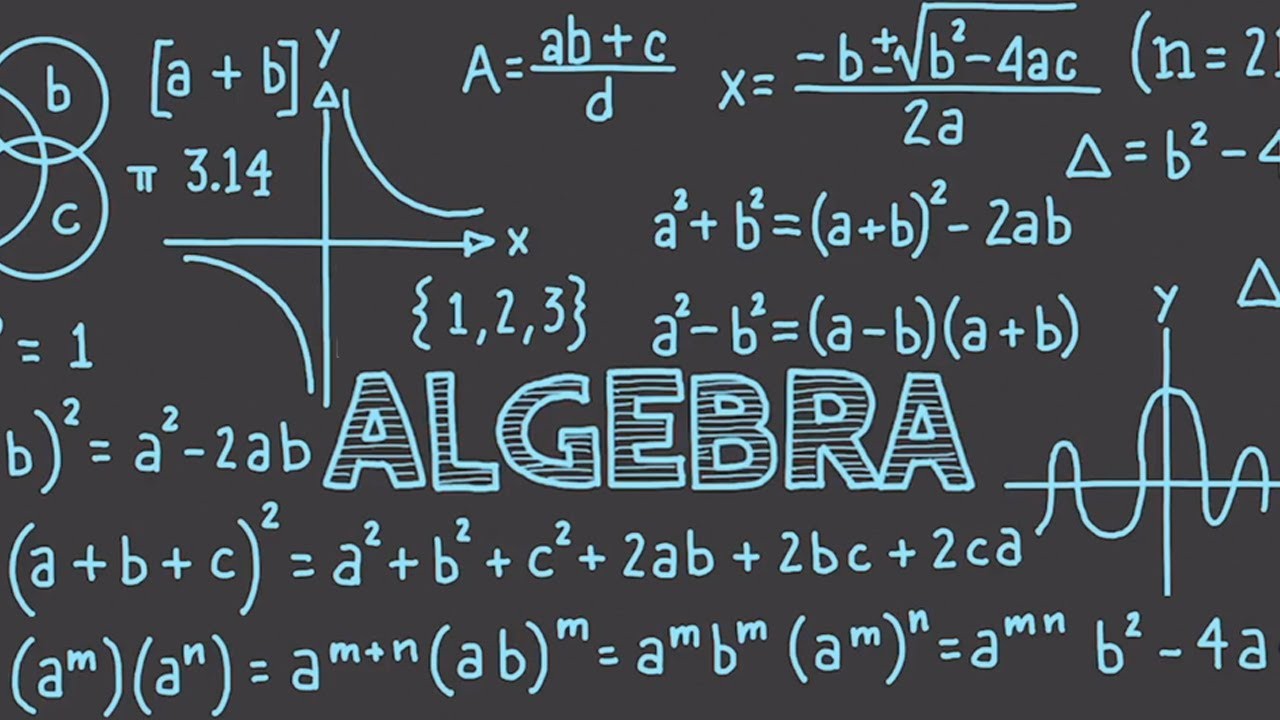
This course in Algebra II introduces the fundamental concepts of vector spaces, emphasizing their essential role in understanding dimensions, basis vectors, and coordinate representations. Particular attention is devoted to linear transformations and their relationship to changes of coordinates and bases, providing a coherent framework for interpreting transformations within vector spaces. These topics are developed in Chapter 1.
Chapter 2 focuses on matrices, a central tool in engineering and applied mathematics for representing and manipulating multiple numerical or functional quantities. The intrinsic connection between matrices and linear transformations is explored in order to establish a deeper and more unified understanding of matrix theory. Key matrix operations and properties, including determinants, transposes, and inverses, are also examined.
In Chapter 3, matrices are applied to the resolution of systems of linear algebraic equations, highlighting their practical importance in solving complex problems.
The final chapter is devoted to eigenvalues and eigenvectors. The objective is to study linear transformations from a vector space to itself in order to simplify matrix representations, particularly through diagonalization or reduction to canonical forms, thereby facilitating both theoretical analysis and practical computations.
This course in Algebra II introduces the fundamental concepts of vector spaces, emphasizing their essential role in understanding dimensions, basis vectors, and coordinate representations. Particular attention is devoted to linear transformations and their relationship to changes of coordinates and bases, providing a coherent framework for interpreting transformations within vector spaces. These topics are developed in Chapter 1.
Chapter 2 focuses on matrices, a central tool in engineering and applied mathematics for representing and manipulating multiple numerical or functional quantities. The intrinsic connection between matrices and linear transformations is explored in order to establish a deeper and more unified understanding of matrix theory. Key matrix operations and properties, including determinants, transposes, and inverses, are also examined.
In Chapter 3, matrices are applied to the resolution of systems of linear algebraic equations, highlighting their practical importance in solving complex problems.
The final chapter is devoted to eigenvalues and eigenvectors. The objective is to study linear transformations from a vector space to itself in order to simplify matrix representations, particularly through diagonalization or reduction to canonical forms, thereby facilitating both theoretical analysis and practical computations.
L’enseignement aura pour objectif de donner aux étudiants les connaissances nécessaires à la conception, à la réalisation des ouvrages hydrauliques dont la fonction est l’aménagement des cours d’eau.
Matière; Analyse3
Unité d’enseignement : fondamentale: UEF 3.1.1
Semestre : 3 Année Universitaire : 2024/2025 Crédit : 7 Coefficient : 4Volume horaire d’enseignement hebdomadaire:
· Cours (nombre d’heures par semaine) : 3H
· Travaux Dirigés (nombre d’heures par semaine) : 1:30H
Mode d’évaluation : Contrôle Continu 40% . l’Examen Final 60%
Pondérations du Contrôle Continu et de l’Examen Final: Assiduité, participation … 06Pts. Interrogation(1): 14 Pts.
Enseignant responsable de la matière : Dr. Smail KAOUACHE
Contact : s.kaouache@centre-univ-mila.dz / Tél :07 92 05 72 00
Objectifs de l’enseignement :
L’objectif de cette matière est de donner aux étudiants les connaissances nécessaires concernant les convergences simples et uniformes des séries de fonctions, le développement des fonctions en séries entières et séries de Fourier, les intégrales généralisées ainsi que les fonctions définies par une intégrale. Connaissances préalables recommandées : Analyse 1 et 2.
Contenu de la matière :
Chapitre 1 : Séries Numériques
Chapitre 2 : Suites et Séries de Fonctions
Chapitre 3 : Séries Entières
Chapitre 4 : Séries de Fourier
Chapitre 5: Intégrales impropres (Généralisées)
Chapitre 6 : Fonctions définies par une intégrale
Références
· J. Lelong Ferrand, Exercices résolus d'analyse, Dunod, 1977.
· J. Lelong-Ferrand et J. M. Arnaudiès, Cours de mathématiques, tome 2, Edition Dunod, 1978.
· J. Rivaud, Analyse «Séries, équations différentielles» -Exercices avec solutions, Vuibert, 1981.
· C. Servien, Analyse 3 « Séries numériques, suites et séries de fonctions, Intégrales », Ellipses, 1995.
Analysis 4
Teaching unit: fundamental: UEF 4.1.1
Semester: 4 Academic Year: 2025/2026 Credit: 7 Coefficient: 4Weekly teaching hours:
1. Course (number of hours per week): 3 hours
2. Tutorials (number of hours per week): 3 hours
Assessment methods: Continuous Assessment 40%, Final Examination 60%
Weighting of Continuous Assessment and Final Examination: Attendance, participation … 6 points. Continuous assessment(1): 14 points.Teacher in charge of the subject : Dr. Smail KAOUACHE
Contact : s.kaouache@centre-univ-mila.dz
Learning Objectives:
Learning Objectives:
The objective of this course is to provide the necessary knowledge regarding the differentiability of functions of several variables, the generalizations of the mean value theorem and Taylor's formula to functions of several variables, the calculation of extrema, and the calculation of multiple integrals. Recommended prior knowledge: Analysis 1 and Analysis 2
Contenu de la matière :
Chapiter 1 :Topology of IRn.
Chapiter2 :Real Fonctions of Several variables
Chapitre 3 :Multiples IIntégrals
References
· J.-M. Monier, Analyse PC-PSI-PT, Dunod, Paris 2004.
· Y. Bougrov et S. Nikolski, Cours de Mathématiques Supérieures, Editions Mir, Moscou, 1983.
· N. Piskounov, Calcul différentiel et intégral, Tome 1, Editions Mir, Moscou, 1980.
· J. Lelong-Ferrand et J. M. Arnaudiès, Cours de mathématiques, tome 4, Edition Dunod, 1992
Cours d'analyse numérique pour étudiants de deuxième année mathématiques. Chaque chapitre est suivi d'une série d'exercices.
Le cours à pour objectif d'introduire les bases génétiques qui régissent la biodiversité. La première partie du cours traite les principales notions et aspects de la biodiversité. La génétique des populations est ensuite introduite en guise d'outils d'évaluation et de l'évolution des structures génétiques des populations.
Food biochemistry plays a central role in understanding the molecular basis of food quality and functionality. By exploring the composition, structure, and reactivity of biomolecules, this discipline explains how processing, storage, and environmental factors influence the physicochemical and nutritional properties of foods. The study of water, proteins, lipids, and carbohydrates, along with their interactions, provides valuable insight into phenomena such as texture development, flavor formation, and product stability. Ultimately, food biochemistry forms the scientific foundation for improving food preservation, enhancing sensory attributes, and ensuring consumer health and safety.
Cette matière a pour objectif de donner les bases de la dynamique membranaire, la compartimentation intracellulaire et son intégration dans la fonction cellulaire ainsi que la transmission des signaux intracellulaires à partir de ligands hydrophiles.
Connaissances préalables recommandées.
L’étudiant devra avoir les bases en biochimie, Immunologie, microbiologie et génétique. Contenu de la matière :
1. Compartimentation fonctionnelle de la cellule (vue d’ensemble)
2. Biomembranes
3. Relation structure-fonction de la cellule
4. La glycosylation des macromolécules et rôle biologique :
5. Transduction du signale et régulation de la fonction cellulaire
5.3. Amplification du signal via les seconds messagers
5.4. Amplification du signal via les cascades de MAPkinases :
6. Anomalies de signalisation et pathologies
Le cours de Biodiversité et biosystèmatique s'intéresse à la situation des végétaux dans le monde en général et en Algérie en particulier.
Le but étant de connaitre la biodiversité et les menaces qui pèsent sur elle.
Le cours est divisé en 3 Chapitres :
Chapitre I : La biosystématique, les classifications classiques et phylogénétiques..
Chapitre II : La biodiversité et son état en Algérie.
Chapitre III : Comment protéger la biodiversité?

This course is specifically designed for ecology students in the third year of the Bachelor's program, majoring in Ecology and Environment. The objective of this course is to provide students with key insights into the evolutionary mechanisms of species and the historical and ecological factors that explain the current biogeographical distribution of living organisms.
This module also offers students an overview of the main types of biogeographical distribution areas across the globe and the biogeographical limits of certain species in Algeria.
Cours Bioinformatique Matser1 BV
Ce cours de structure de la matière est destiné aux étudiants de 1 ère année master en biotechnologie végétale et ce conformément au nouveau programme du système LMD. Il porte essentiellement sur les notions de base de méthode moderne d’analyse et de la bioinformatique (structure de la matière).
Ce cours est structuré comme suit :
Le premier volet présente ressources bioinformatiques et bases de données (banque nucléiques, banque structurelle, protéique). Le deuxième volet traite alignement pair (Les similarités de séquences et score, La matrice d’identité) le troisièmes volet sur alignement multiple Le dernier volet traite la phylogénie (Comparaison de séquences, Les données de la phylogénie, Les données phénotypiques, Les données moléculaires, La construction d’un arbre phylogénétique, evaluation d’un arbre phylogénétique, exemples d’arbres phylogénétiques)

Ce chapitre introduit les concepts fondamentaux de la microbiologie, comme la structure cellulaire des microorganismes (bactéries, levures, champignons, virus) et leur classification. On aborde également les notions de microbiologie générale, telles que la croissance microbienne, les besoins nutritionnels et les méthodes de reproduction des microorganismes.
Ce chapitre se concentre sur la diversité des microorganismes en termes de morphologie, métabolisme, habitats et modes de reproduction. On étudie également les différentes techniques de culture utilisées en laboratoire pour isoler, identifier et faire croître les microorganismes dans des conditions contrôlées, y compris les milieux de culture spécifiques, la stérilisation et les conditions de croissance (aérobie/anaérobie).
Ce chapitre aborde les interactions entre les microorganismes et l’homme. Les pathologies causées par des agents pathogènes (bactéries, virus, champignons) sont discutées, ainsi que le rôle des microbiotes (communautés microbiennes bénéfiques) dans la santé humaine. On examine également l'utilisation des microorganismes dans l’industrie agroalimentaire pour la production de produits comme le yaourt, le fromage, et d’autres aliments fermentés.
L'accent est mis sur les antibiotiques, leur mode d’action, et les cibles microbiennes (paroi cellulaire, synthèse des protéines, etc.). Les antibiotiques sont des composés naturels ou synthétiques utilisés pour inhiber ou tuer des bactéries pathogènes. Ce chapitre traite aussi de la découverte des antibiotiques et de leur importance dans la médecine moderne.
La résistance aux antibiotiques est une problématique majeure en microbiologie médicale. Ce chapitre explore les mécanismes par lesquels les bactéries acquièrent ou développent une résistance (mutations, transfert horizontal de gènes) et les facteurs favorisant l'émergence de cette résistance. L’impact de la résistance sur la santé publique est également discuté.
Ce chapitre fournit un rappel des concepts de génétique microbienne, comme la mutation et la pression de sélection (causée par des conditions comme la présence d'antibiotiques ou des carences nutritionnelles). Il aborde également les mécanismes d’échange et d’acquisition de matériel génétique chez les microorganismes, incluant la transformation, la conjugaison, la transduction et la recombinaison homologue, qui permettent aux bactéries de s'adapter rapidement à leur environnement.
Ce chapitre traite des applications biotechnologiques des microorganismes dans les industries alimentaires et pharmaceutiques. Il examine des processus industriels tels que la fermentation (pour la production de boissons alcoolisées, de produits laitiers, etc.) et l’utilisation de microorganismes pour la production d'enzymes, de vitamines, et d'autres biomolécules d'intérêt commercial.
Les nouvelles approches pour combattre les infections microbiennes sont explorées, telles que le quorum quenching (inhibition de la communication bactérienne), l'utilisation de peptides antimicrobiens, les vaccins antibactériens, et les thérapies basées sur les bactériophages (virus attaquant spécifiquement les bactéries). Ces stratégies offrent des alternatives potentielles aux antibiotiques traditionnels dans la lutte contre les infections résistantes.
Ce dernier chapitre se concentre sur des exemples concrets d'applications biotechnologiques des microorganismes. On examine notamment la production d'antibiotiques à l’échelle industrielle, la fabrication de médicaments (via l’utilisation de bactéries ou de champignons modifiés génétiquement), et la biorémédiation, qui consiste à utiliser des microorganismes pour dégrader ou neutraliser des polluants dans l'environnement.
Le changement global regroupe l’ensemble des transformations rapides et interconnectées de la planète liées aux activités humaines, incluant le changement climatique, la modification des usages des terres, la pollution, la surexploitation des ressources naturelles et la prolifération d’espèces invasives. Ces pressions anthropiques perturbent les équilibres écologiques, altèrent le fonctionnement des écosystèmes et provoquent une érosion accélérée de la biodiversité. Les conséquences se traduisent par des bouleversements climatiques, la fragmentation des habitats, la perte de services écosystémiques et des répercussions socio-économiques, notamment dans les sociétés les plus dépendantes des ressources naturelles. Face à ces défis, la transition vers des pratiques durables, la restauration des milieux dégradés, la réduction des émissions de gaz à effet de serre et la coopération internationale constituent des enjeux majeurs pour préserver le patrimoine biologique et les conditions de vie sur Terre.

ensembles de cours et séries de TD de module Charpente métallique, pour le S5 génie civil.
Chemical reactions are essential to life and industry, playing a key role in processes like metal production, material synthesis, and energy generation. Chemical kinetics, the study of reaction rates and influencing factors, helps optimize these reactions by analyzing variables such as temperature, pressure, concentration, and catalysts. This knowledge is vital in industries like pharmaceuticals, energy, and environmental science, where efficiency and safety are crucial. Understanding chemical kinetics supports technological advancements, process optimization, and sustainable industrial development.
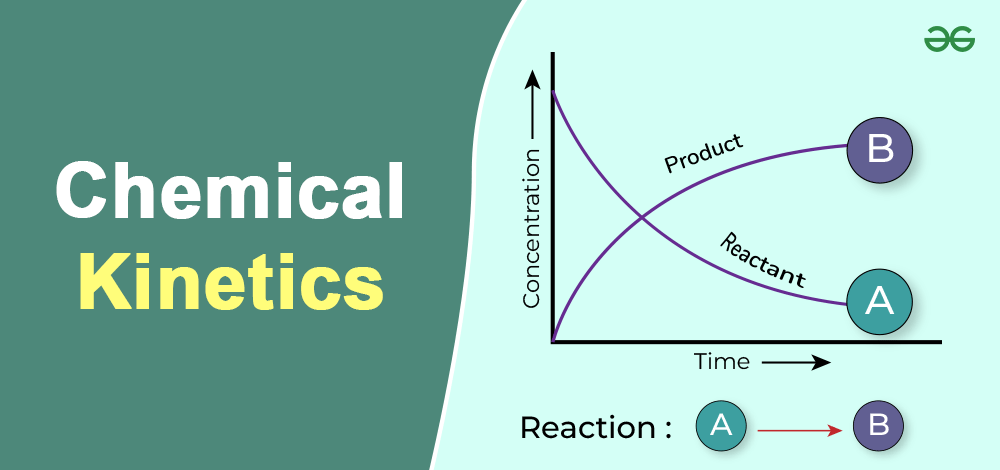
Chemical reactions are essential to life and industry, playing a key role in processes like metal production, material synthesis, and energy generation. Chemical kinetics, the study of reaction rates and influencing factors, helps optimize these reactions by analyzing variables such as temperature, pressure, concentration, and catalysts. This knowledge is vital in industries like pharmaceuticals, energy, and environmental science, where efficiency and safety are crucial. Understanding chemical kinetics supports technological advancements, process optimization, and sustainable industrial development.
This course involves providing instruction on the fundamental principles of the organization and chemical structure of matter. It complements other subjects as it serves to facilitate the chemical understanding of biological phenomena.
The student must master the basic notions of general and organic chemistry, namely the structure of the atom, atomic bonds and redox reactions.
The present course that I am presenting is intended not only for students at the first year of Natural and Life Sciences (LSFY) but also for those in Food Sciences, Earth Sciences and Biomedical Sciences (Medicine, Pharmacy, and Dental Surgery) … The content of this course summarizes everything a student needs to know about general chemistry and organic chemistry. It primarily focuses on the fundamental concepts of the structure of matter and nomenclature in organic chemistry.
This course divided in two parts
The first part (General chemistry) includes six chapters,
The second part (Organic chemistry) includes two chapters,
The first chapter is dedicated to the structure of the atom (nucleus and electrons),
The second chapter covers processes of radioactivity, nuclear reactions, the law of radioactive decay, binding energy-cohesion energy, and applications of radioactivity.
3. Bohr's atom
The third chapter focuses on quantum description of the hydrogen atom. The Bohr model: calculation of atomic radius and quantification of energy, cases of hydrogen and hydrogenoid.
The fourth chapter presumes the periodic classification of elements. Variation in atomic radius, ionization energy, and electronegativity in the periodic table.
5. Electronic configuration of atoms
The fifth chapter covers how to learn Quantum Numbers, apply Aufbau Principle and Pauli Exclusion Principle, use Hund's Rule, write Electron Configurations, explain how the electronic configuration contributes to periodic trends such as atomic size, ionization energy, and electron affinity.
The sixth chapter is devoted to Lewis’s structure, atom valence, octet rule, strong bonds (between atoms): covalent bond, dative covalent bond, ionic bond, and metallic bond. Molecular orbital theory, hybridization, and geometry of covalent structures: Gillespie's rules.
The last part is reserved for organic chemistry: isomerism and nomenclature of the different organic compounds
1. Organic compounds, formulas, functions, Nomenclature...
2. Reaction mechanisms in organic chemistry
Bibliography:
Books, Handouts, Websites…
1. Jacques Maddaluno, Véronique Bellosta, Isabelle Chataigner, François Couty, et al.,2013- Chimie organique. Ed. Dunod, Paris, 576 p.
2. Jean-François Lambert, Thomas Georgelin, MaguyJaber, 2014- Mini manuel de Chimie inorganique. Ed. Dunod, Paris, 272 p.
3. Elisabeth Bardez, 2014- Mini Manuel de Chimie générale : Chimie des Solutions. Ed. Dunod, Paris, 256 p.
4. Paula Yurkanis Bruice, 2012- Chimie organique. Ed. Pearson, 720 p.
5. Jean-Louis Migot, 2014- Chimie organique analytique. Ed. Hermann, 180 p.
Le présent document est constitue des cours de combustion du programme Master LMD, enseigné aux étudiants de première année Master Mécanique Energétique au sein du département des Sciences et Techniques du Centre Universitaire Abdel Hafid Boussouf Mila. Cette partie du programme est consacrée aux modes de combustion, aux propriétés physiques et chimiques de la combustion et aux flammes laminaires et turbulente de prémélange et de diffusion. Le cours sera enrichi par plusieurs exemples corrigés.
Master Energétique (Semestre 2)
Licence3 Electromécanique
Maîtriser les différents types de commande des entraînements à vitesse variable
Machines électriques, modélisation des machines, électronique de puissance, notions de mécanique, asservissement et régulation.
Master 1 Biochimie appliquée. S2
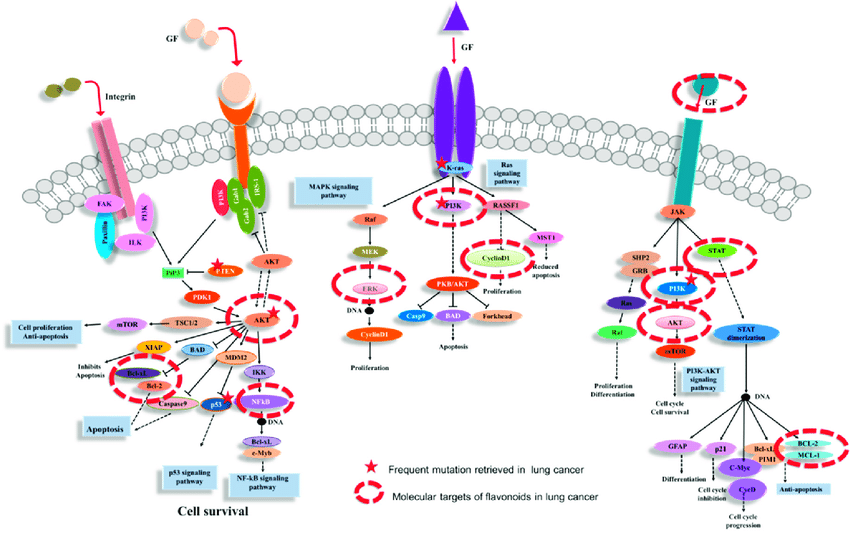
Initiation aux différents aspects de la communication intercellulaire/ intracellulaire, exposition des grandes voies de signalisation cellulaire et leurs implications dans la physiologie, la pathologie et la thérapeutique.
Objectifs de l’enseignement
Compréhension et production de textes courts et simples
Connaissances préalables recommandées
- Reconnaître et identifier : les formes du discours (narration, descriptions etc), idée. principales et secondaires, les causes et les effets, traits d’un personnage…
- Décoder des messages écrits en utilisant les stratégies appropriées à ce niveau.
- Maîtriser les différentes stratégies de lecture.
- Repérer le sens explicite (ou littéral) d’un texte court et simple.
- production de différents types de textes courts en se référant aux schémas textuels. aux modèles et typologies des genres de discours.
Contenu de la matière :
Types d’activité :
- Tri de textes
- Transformation : ex. message iconique vers un texte et vice versa
- Transposition, substitution, lacunaires, complétion etc.
- Balayage, écrémage, lecture sélective.
Contenus :
- Caractéristiques de la forme du discours étudié
- Les marques de l’énonciation : reproduire le schéma de communication
- Techniques et stratégies de lecture en utilisant des supports écrits variés
- Ressources : textes journalistiques, cartes (routières, géographiques etc), tableaux statistiques, images etc
- -les mots et leur agencement dans la phrase
- -les signes de ponctuation
- -L’accord des adjectifs et du participe passé
- -le participe présent et l’adjectif verbal
- -la concordance des temps
- -analyse de l’énonciation
Mode d’évaluation : Continu et examen
Master : Intelligence Artificielle et ses Applications
Semestre : 1
Intitulé de l’UE : UE fondamentale 2 (UEF2)
Intitulé de la matière : Modélisation et simulation
Crédits : 4
Coefficients : 2
Mode d’évaluation : Contrôle continu 40% et Examen écrit 60%
Enseignant responsable de la matière : Dr. Sadek Benhammada
Contact : s.benhammada@centre-univ-mila.dz
Objectifs de l’enseignement
L’objectif de cette matière consiste à initier les étudiants à la modélisation et simulation de systèmes. Elle couvre les concepts fondamentaux des systèmes, les paradigmes de modélisation, les modèles analytiques tels que les chaînes de Markov et les modèles de files d’attente. L’accent est mis sur la simulation à événements discrets, permettant d’analyser des systèmes dynamiques lorsque les solutions analytiques sont limitées. Les étudiants apprendront à construire, simuler et interpréter des modèles, avec un focus sur des applications pratiques. Les étudiants apprendront à construire des modèles analytiques et des modèles adaptés aux systèmes étudiés, et à utiliser ses modèles pour analyser, simuler, et évaluer leurs performances des systèmes étudiés.
Connaissances préalables recommandées : Maîtrise de la programmation, une bonne compréhension de la théorie des probabilités
Contenu de la matière
Chapitre 1 : Introduction à la théorie de modélisation et simulation
· Notion du système
· Systèmes discrets et système continu
· Modèles et modélisation de systèmes
· Type de modèles/Paradigmes de modélisation
· Notion de simulation
· Étapes de simulation
Chapitre 2 : Les chaines de Markov
· Introduction aux chaînes de Markov
· Graphe de transition et représentations des états
· Distributions d’ordre n et transitions d’ordre n
· Chaînes irréductibles et périodicité
· Stationnarité et distribution invariante
· Applications et exemples pratiques des chaînes de Markov
· Chaines de Markov à temps continu
· Conclusion et perspectives
Chapitre 3 : Les files d’attente
· Introduction aux files d’attente
· Définition des systèmes de files d’attente.
· Notation de Kendall
· Modèle M/M/1
· Modèle M/M/S
· Modèle M/M/1/K
· Modèle M/M/S/K
Chapitre 4 : Simulation à événements discrets
· Introduction à la simulation et ses avantages
· Comparaison entre simulation et modèles analytiques
· Types de gestion du temps en simulation
· Simulation à événements discrets : principes fondamentaux
· Méthode à trois phases dans la simulation
· Génération de données en entrée de la simulation
Références
1. Choi, B. K., & Kang, D. (2013). Modeling and simulation of discrete event systems. John Wiley & Sons.
2. Ross, S. M. (2022). Simulation. Academic Press.
3. Law, A. M., Kelton, W. D., & Kelton, W. D. (2007). Simulation modeling and analysis (Vol. 3). New York: Mcgraw-hill.
4. Rossetti, M. D. (2015). Simulation modeling and Arena. John Wiley & Sons.
5. Zeigler, B. P., Muzy, A., & Kofman, E. (2018). Theory of modeling and simulation: discrete event & iterative system computational foundations. Academic press.
6. Brémaud, P. (2013). Markov chains: Gibbs fields, Monte Carlo simulation, and queues (Vol. 31). Springer Science & Business Media.
7. Fishman, G. S. (2001). Discrete-event simulation: modeling, programming, and analysis (Vol. 537). New York: Springer.
destiné aux étudiants de Master I. Protection Des Ecosystèmes afin d'expliquer les phénomènes de dégradation de l’environnement afin d’éveiller leur attention sur l’utilisation rationnelle des ressources naturelles et les initier aux méthodes de conservation, de préservation et d’identification des causes de dégradation des écosystèmes.
Cet enseignement vous permettra d’acquérir les principes de représentation des pièces en dessin industriel. Plus encore, cette matière vous permettra à représenter et à lire les plans.
Présenter les systèmes d’information dans le contexte Internet. Le module initie à la programmation Web via les langages HTML, JavaScript et PHP. En plus, il initie au développement des services web. Une étude pratique renforce les concepts acquis.
Master1/S2 Structures
Enseigner le dimensionnement des sections courantes (rectangulaires et en T) sous l'action des sollicitations composées, avec une prise en charge l'action de l'effort tranchant. Les étudiants doivent savoir également, le ferraillage et les dispositions constructives des ouvrages courants.
M1/S2 GC
Ce cours s'agit de deuxième chapitre de la matière Elasticité. Il est sous l'intitulé Théorie de l'état de contraintes contenant les éléments suivants: Tenseur de contrainte, Équations différentielles de l’équilibre, Contrainte sur un plan, Contraintes et
directions principales, Représentation géométrique (tri-cercle de Mohr)
Cet cours est destiné principalement aux étudiants de première année Master mathématiques appliquées et fondamentales.
Enseignant : Rakia Ahmed-Yahia
Email: r.ahmedyahia@centre-univ-mila.dz
Le public cible: Etudiants en licences 3eme Année Mathématiques.
Semestre : 5
Cours: Espaces vectoriels normés
Crédits : 5
Coefficients : 3
Objectifs du Cours:Apprendre aux étudiants l'importance des espaces de Banach et la particularité de l'espace de Hilbert comme étant une classe des espaces normés. Faire apparaître des résultats propres à cet espace.Connaissances préalables recommandées- Séries, Intégrales, Suites de Cauchy, continuité, nombres complexes..-Topologie des espaces métrique: distance, boules, fermé, continuité, densité.,Contenu de la matière :
Chapitre 2: Espaces de Hilbert
Références:[1] Brezis H. Analyse Fonctionnelle, Théorie et Applications
[2] Lacombe G., Massat P. Analyse Fonctionnelle. Exercices corrigés, DUNOT
[3]Daniel Li, Cours_d'Analyse_Fonctionnelle_avec_200 exercices corrigés.
[4] Sonntag Y. Topologie et Analyse Fonctionnelle, Cours et exercices, Ellipses, 1997Mode d'évaluation: Continu 33%, Examen 67%.
The lectures contains the literary textes to be read and analysed for first year students
This course is the synthesis product of years of teaching General Microbiology, Food Microbiology, Microbial Biochemistry, and Microbial Genetics. It is intended to support and develop the knowledge of Bachelor's and Master's students in Biological Sciences, particularly those specializing in Microbiology.
Furthermore, this document may assist students in Food Science and Veterinary Science to familiarize themselves with the subject of Food Microbiology. As with all works, it may be subject to errors and omissions. Consequently, it is always encouraging and motivating to receive advice and recommendations from colleagues, teachers, and researchers active in the field.
Abdelhafid BOUBENDIR
Professor of Microbiology
University of Abdelhafid Boussouf, Mila, AlgeriaCours est destiné aux étudiants Master I, Filiere : Ecologie et Environnement, Option : Protection des Ecosystèmes
Biochemistry is the scientific field that studies the chemical components and processes within living organisms. In other words, doing biochemistry means exploring life at the molecular level to understand its structures and mechanisms, from the simplest to the most complex.
Biochemical engineering is a dynamic discipline that builds on biological processes and chemical engineering principles, skillfully blending theory and practice to develop innovative solutions.
A solid understanding of these mechanisms requires a combination of theoretical, practical, and guided learning to gain meaningful insight into the structural aspects of biological molecules.

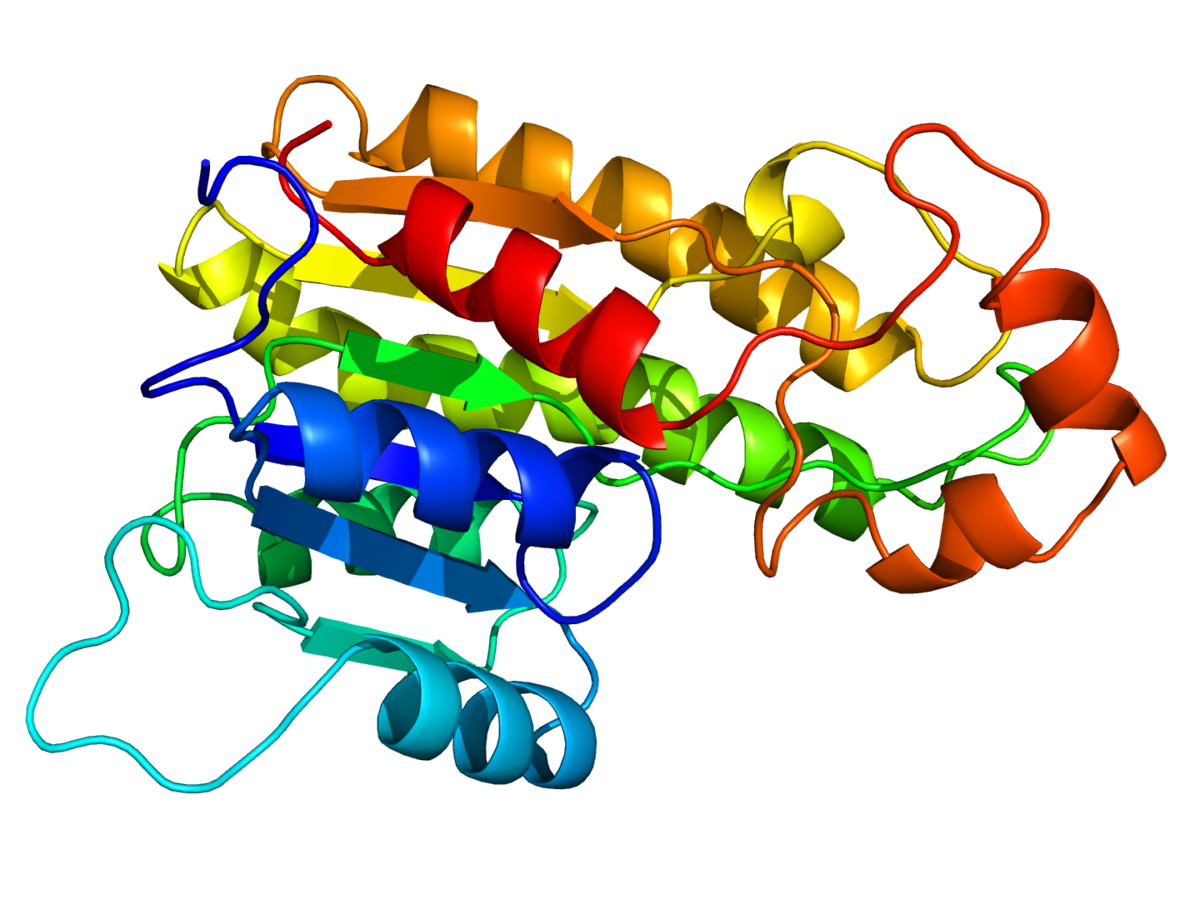
Le génie enzymatique est l'étude et la modification des enzymes pour améliorer leurs propriétés et leurs applications industrielles. Grâce à des techniques comme la biotechnologie et l'ingénierie moléculaire, les scientifiques peuvent optimiser la spécificité, la stabilité et la performance des enzymes. Ces enzymes modifiées jouent un rôle crucial dans divers secteurs, tels que la production alimentaire, la médecine et la bioénergie.
Licence Biochimie (Semestre 6)
Connaitre les outils de génie génétique, ses applications dans l’isolement, la caractérisation, modification et transfert des gènes.
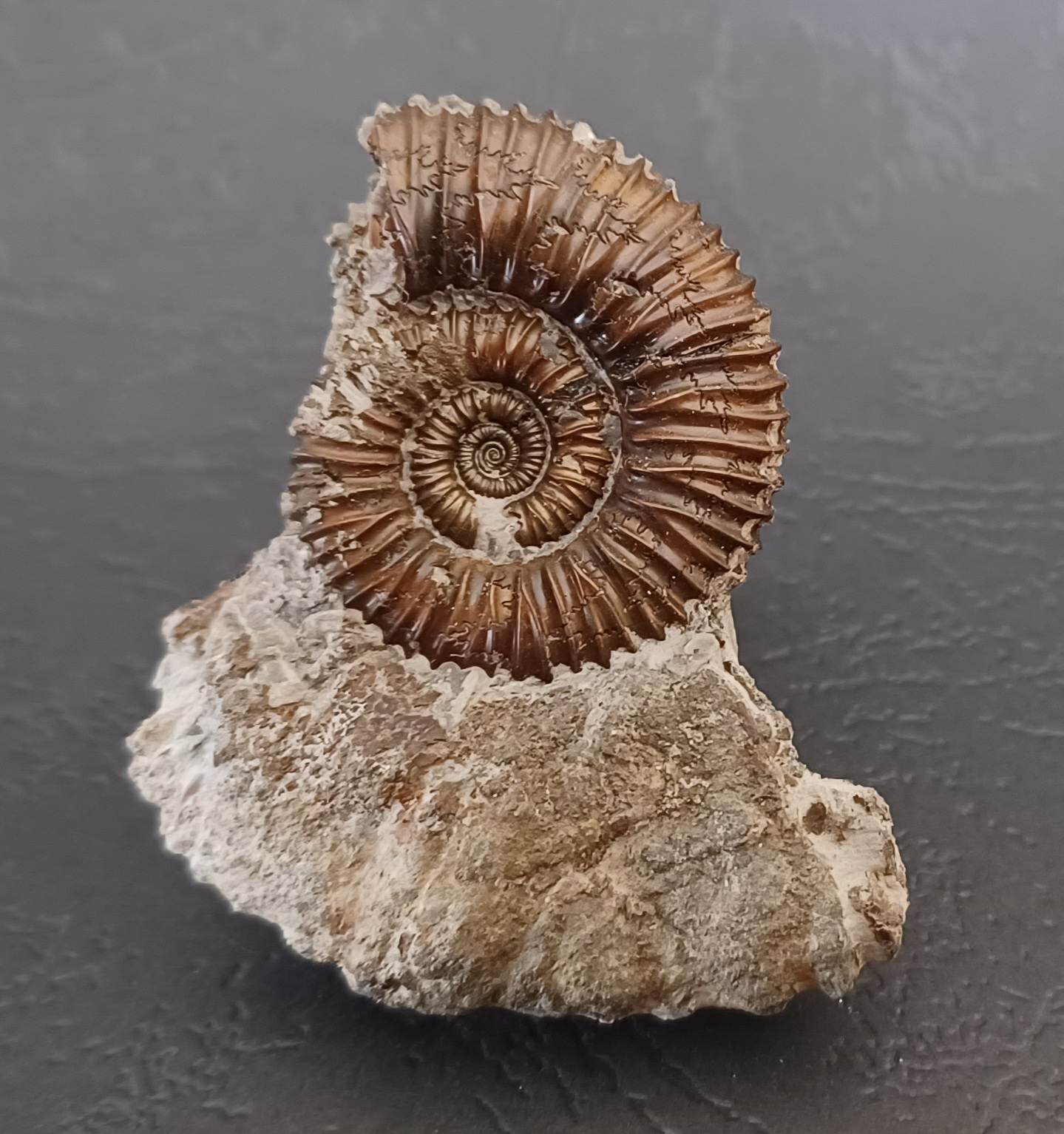
The aim of Geology 1 is to acquire a basic knowledge of the major phenomena that govern the Earth and to show that the Earth is an active planet, characterised by a dynamic process whose mechanisms must be well known and understood.
Ce cours de Géométrie est pour les etudiants en deuxième année LMD Maths (second semestre). Il est a utiliser en cas de non reprise des cours en avril. Il inclut des exercices dont la correction se fera au fur et a mesure.
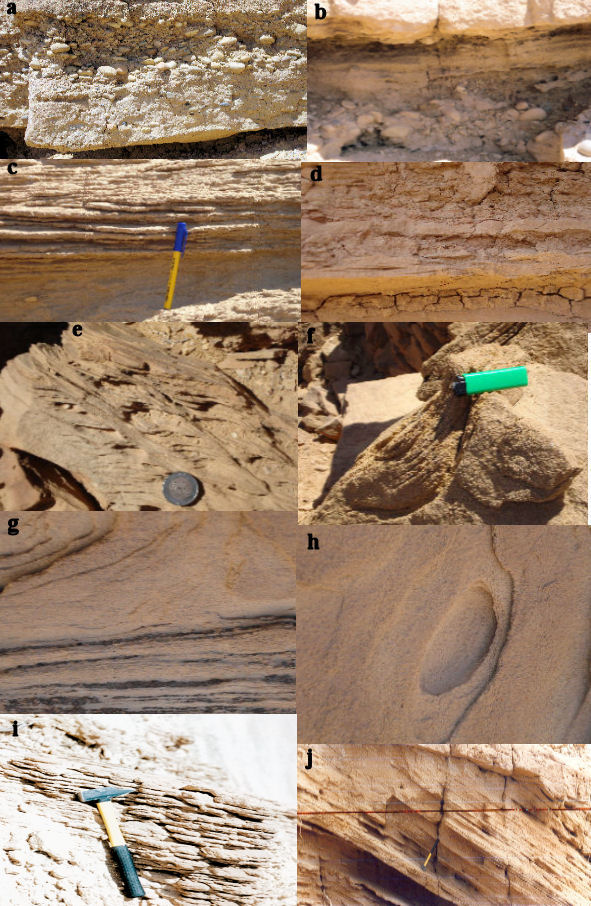
La géomorphologie est un domaine très important dont les processus physique, chimique et biologique variées et le jeu tectonique, les masses continentales jouent un rôle important sur les changements climatiques qui provoquent des modifications des dépôts sédimentaires, des flores, des faunes et des répartitions des végétaux et leur écologie (biodiversité).
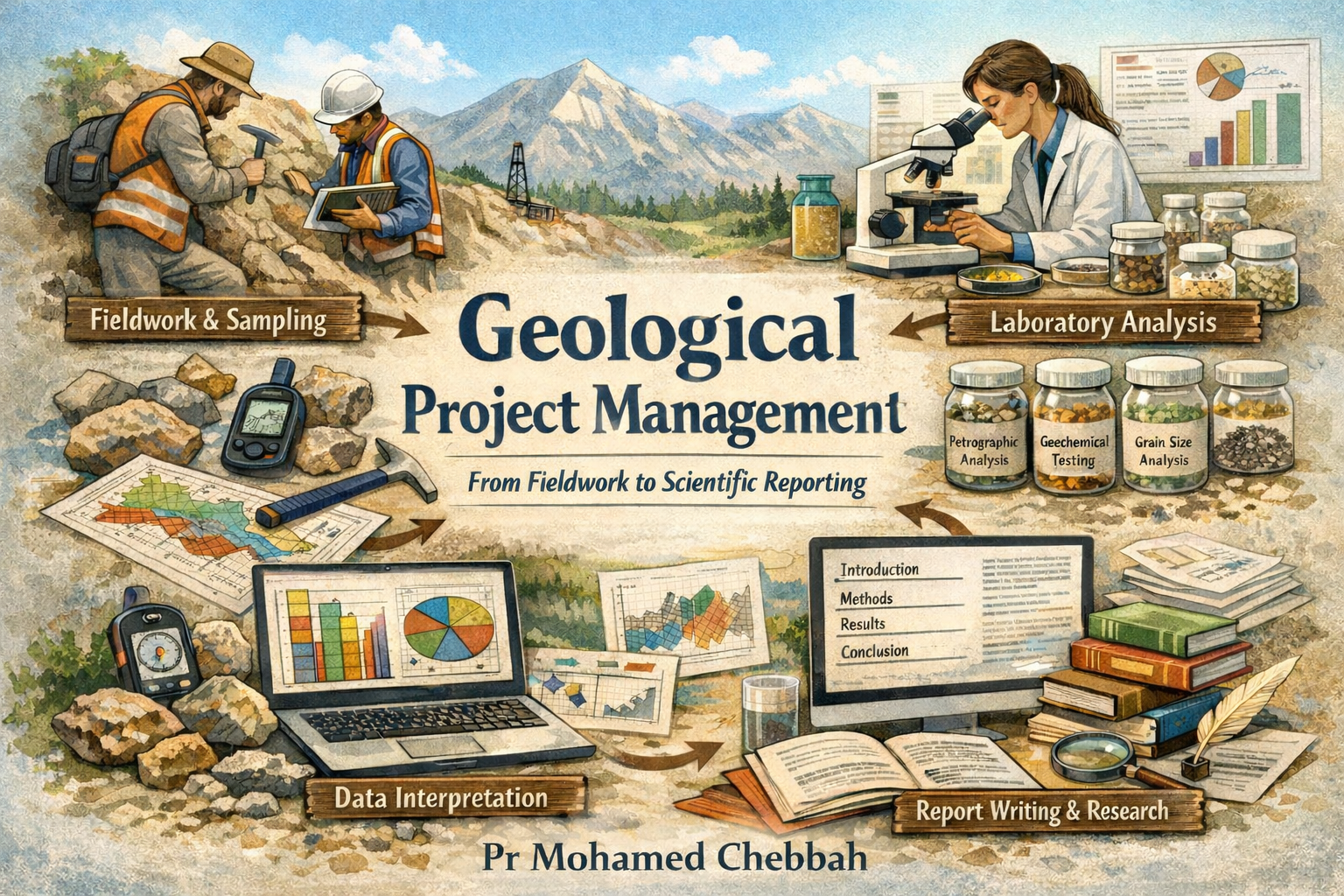
Ce polycopié représente le contenu du module « Gestion des ressources hydriques » assuré en semestre 6 aux étudiants de la promotion 3ème année licence hydraulique. Il vise à comprendre les types de ressources en eau en Algérie leur capacité et les stratégies de gestion possibles pour une meilleur utilisation.
Le polycopié est scindé en cinq chapitres conformément au programme officiel :
Le premier chapitre vise à donner aux étudiants les vrais problèmes que connaît l’Algérie en matière de l’eau, pour proposer ensuite des solutions à la quantification, au stockage, à la protection et à la préservation des ressources en eau.
Le deuxième chapitre définit le principe de gestion et exploitation des ouvrages hydrauliques, ainsi que la planification de l’entretien et du contrôle des différents ouvrages du réseau d’assainissement. Il permet de répondre à la question : quelle partie du réseau est contrôlée ou entretenue quand et avec quelle fréquence.
Dans le troisième chapitre, nous présentons les critères possibles pour évaluer l’état d’un réseau d’eau, suivi d’un panorama des différents détecteurs de fuites actuellement utilisés.
Le quatrième chapitre sera consacré à expliciter les différentes méthodes de contrôle de la pollution de l’eau potable en citant les différentes sources qui la causent ainsi que les différents paramètres de potabilité et de rejets.
Dans le dernier chapitre nous nous intéressons à la présentation des différentes méthodes existantes pour réaliser un diagnostic du réseau d’assainissement existant, et les procédés de réhabilitation sans tranchée qui, s’ils ne sont pas tout à fait novateurs, améliorent les techniques antérieures.
Il est possible que cette première version comporte quelques imperfections, je serais reconnaissant à tous ceux qui me feraient part de leurs remarques et suggestions.
La gestion durable de l'eau consiste à garantir par des moyens techniques performants et économiques le retour au milieu naturel d'une eau dont les qualités satisfont aux exigences sanitaires et environnementales.
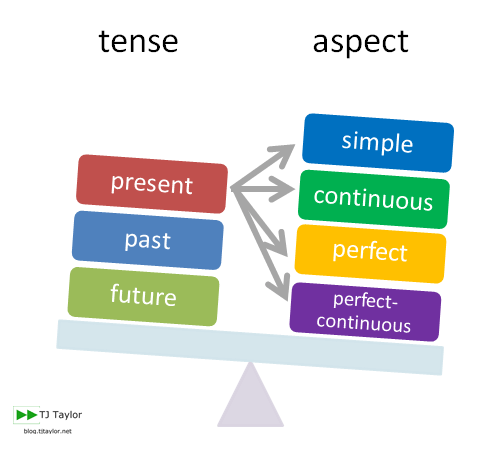
This course provides a clear and practical introduction to the twelve main English tenses, covering their structures, uses, and time references. Students will learn how to correctly form and apply tenses in different contexts, including past, present, and future events. Through explanations, examples, and practice exercises, the course helps learners improve their fluency, accuracy, and confidence in both spoken and written English.
Institute of Mathematics and Computer Science
Computer Science Department - 2nd Year Computer Science - Graph Theory (S3)
Module Supervisor: Dr. Merabet adil - Email: a.merabet@centre-univ-mila.dz
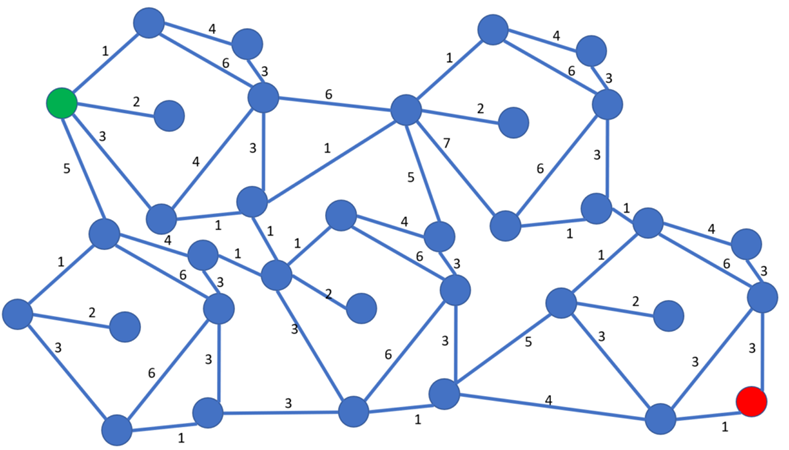
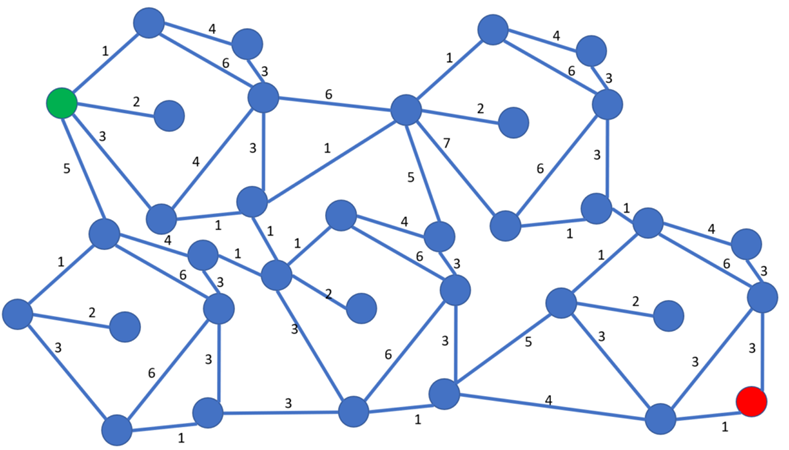
Graph theory is a vast and evolving field that models complex systems by illustrating the relationships between their elements. Graphs (and therefore graph theory) are used in many fields including: Data transport networks (GSM, Wi-Fi, 3g, 4g etc.), Road transport networks, Electronic circuits, etc.
Content:
Chapter 1: Basics of Graph Theory
Chapter 2: Graph Coloring
Chapter 3: Trees and and Forests
Chapter 4: Shortest path problem
Chapter 5: Flow problem
An in-depth comprehension of heat transfer
processes is becoming increasingly crucial in engineering practice, as heat
transfer plays an essential role in daily life. Understanding heat transfer
processes is crucial in engineering, as it is essential in designing
applications like cars, power plants, refrigerators, electronic devices,
buildings, and bridges. Chefs must also understand heat transfer to cook food
correctly. Heat transfer principles are already used in our pursuit of thermal
comfort, such as using heavy jackets for insulation in winter, seeking shaded
areas in summer, blowing on hot food to expedite cooling, and cuddling up in
cold weather to maintain warmth. Heat transfer is already present in our daily
lives.
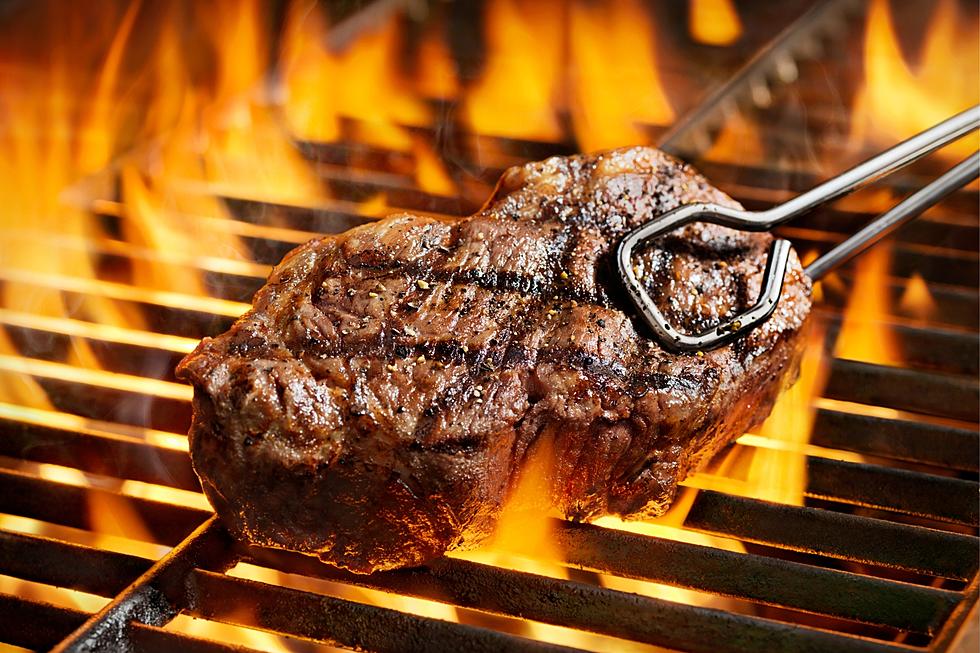
Heat transfer is
relevant to cooking; your knowledge will help you grill a perfect steak.
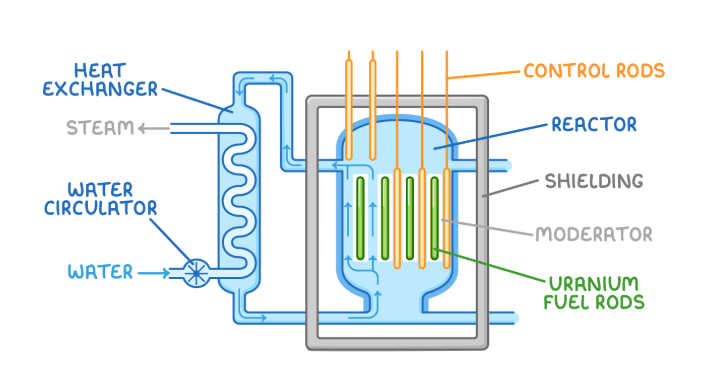
- Highlight the influence of the choice of chemical reactors and their operating conditions on the reaction products obtained. - Sizing of ideal reactors.
Deuxième année électromécanique deuxième semestre
TP Hydraulique et Pneumatique pour les étudiants 2éme Année électromécanique
Ce cours est destiné aux étudiants du troisième année Génie Civil
La première partie de cette matière pose les bases théoriques et expérimentales de l'hydraulique souterraine et discute les différentes hypothèses aboutissant aux équations fondamentales. La seconde traite des cas particuliers d'écoulements souterrains qui se rencontrent couramment dans les travaux hydrauliques et de génie civil tel que les écoulements à travers les cavités souterraines, d'autres relatives aux débits de fuite ou d'alimentation des tranchées et des canaux, aux épuisements de fouille et de batardeaux, aux écoulements sous les fondations de barrage ou à travers les digues, etc.
Ces cours permet de faire connaître aux étudiants les phénomènes hydrologiques et leurs genèses et les bases
pour l’estimation et l’évaluation des paramètres liés à ces phénomènes (précipitation, débit de cours
d’eaux, crues, …). L’hydrologie est d’une importance capitale dans les études hydrauliques.
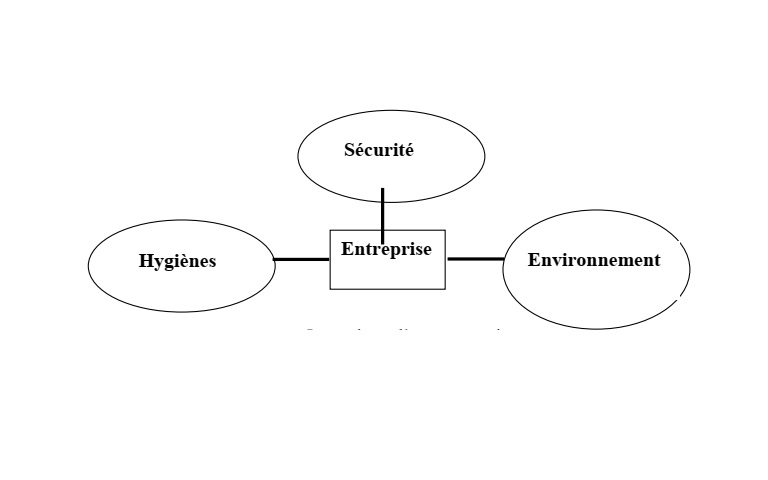
Ce document est un aperçu général dans le domaine « hygiène, sécurité et environnement »
HSE, il est destiné aux étudiants de première année Master LMD, spécialité Energétique. Le
premier chapitre couvre les notions de bases sur l’hygiène, la sécurité et l’environnement et
leurs influences dans le travail. Le deuxième chapitre s’intéresse aux accidents de travail
(danger, risque, enquêtes et analyses).Le troisième chapitre décrit les phénomènes
d’explosion etd’incendie. Le quatrième chapitre représente la gestion des risques chimiques.
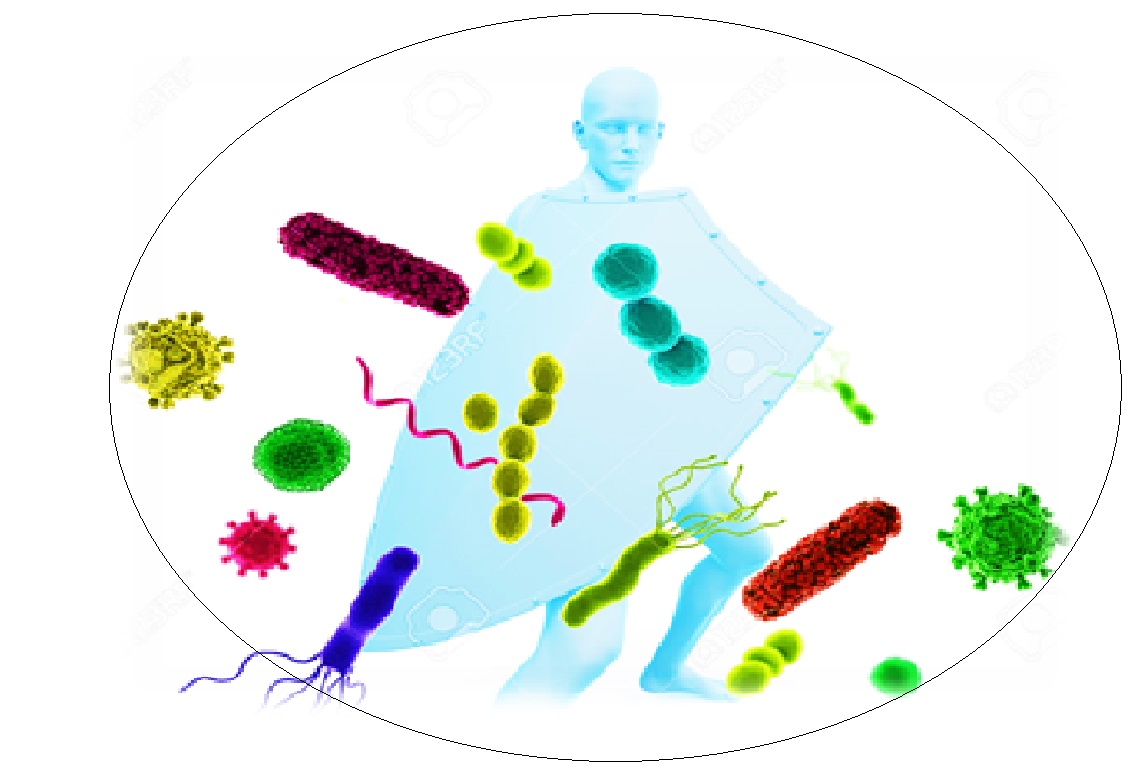
 Learn about the organs ,cells and molecules involved in immune defense.Understand the functioning of the immune system and immune tolerance.Study the innate and adaptive immune responses and autoimmune diseases.Explore the role of the immune system in fighting infections and cancer.

Cours déstinés aux étudiants de première année Master français. Option: Sciences du langage
Module Presentation:
This module aims to strengthen students’ fundamental knowledge in geology and develop their analytical and practical skills. It focuses on understanding basic geological concepts, reading and interpreting geological maps, and constructing geological cross-sections. The module also familiarizes students with the main types of geological structures and encourages critical assessment of geological information using modern computational and mapping tools.
L'objectif du module est d’étudier les couches basses du modèle OSI, les moyens d’interconnexion ainsi que les principes fondamentaux de la gestion de réseaux.
Licence Mathématiques (Semestre 6)
Objectifs de l’enseignement : Familiariser l’étudiant avec les notions de base de la théorie des opérateurs linéaires pour constituer un socle à de futures éventuelles études en EDP , en théorie spectrale et en équations différentielles abstraites
Connaissances préalables recommandées : Topologie des espaces métriques, des espaces vectoriels normés et analyse hilbertienne
l'objectif est de donner des notions sur le principe de fonctionnement d'un moteur à combustion interne avec une description de ses principaux composants, fonctions et calcul cinématique et thermodynamique de base.
Licence Electromécanique (Semestre 6)
Cours de langue anglaise spécialisée destiné aux doctorants sciences commerciales et économiques
Ce cours est essentiellement destiné a rappeler les notions de bases pour la Logique mathématique
Ce cours intitulé Maintenance des systèmes électromécaniques est destiné aux étudiant(e)s de 3éme année électromécanique soumettre 6, il est articulé autours de 3 chapitres à savoir:
Chapitre I : Généralités sur la maintenance électromécanique
Chapitre II : Organisation et gestion de la maintenance
Chapitre III : Dépannage des différentes parties des convertisseurs électromécaniques
le cours a pour objet de présenter les principaux éléments liés à la maintenance à savoir les concept de base, l'organisation, et la gestion de la maintenance.
Master Energétique (Semestre 2)
l'objectif de ce module est de traité les différents maladies infectieuses dans le milieu naturel et aussi les différents agents pathogènes responsables a l'apparition de ces maladies.
La propulsion est un déplacement autre que le simple asservissement aux forces naturelles, que sont les vents, les courants, la pesanteur, l’énergie solaire, le champ magnétique terrestre…Ces forces naturelles sont certes gratuites et leur action est relativement peu bruyantes, mais elles sont aléatoires, comme la pesanteur, les courants ou le champ magnétique. Les animaux et les hommes les utilisent pour se déplacer, mais en général l’homme préfère s’affranchir de leur caractère aléatoire ou oréanté dans une direction qui ne l’intéresse pas forcément. La propulsion est donc une victoire sur l’insuffisance et le caractère capricieux des forces naturelles.
L’homme et les animaux disposent de leur force musculaire pour se propulser. Toutefois l’homme y a ajouté, depuis deux cents ans environ, des formes d’énergie variées qui confèrent à sa propulsion une gamme de vitesse et de distances chaque jour élargie. Le bois, puis le charbon furent les premières sources d’énergie, mais aujourd’hui on leur préfère les hydrocarbures, l’électricité ou l’atome. La propulsion est alors souvent bruyante, polluante, couteuse et parfois risquée, mais elle est rapide, toujours disponible et isotrope. L’action peut s’exercer sur un appui fixe chaque fois que c’est possible, c'est-à-dire sur terre, et sur appui mobile quand tout appui fixe fait défaut, dans l’eau profonde ou dans l’air par exemple.
La propulsion sur terre des êtres animes ou des véhicules se fait notamment en utilisant le frottement des corps solides.
M1/S1 Structure
Le programme proposé permet de renforcer les connaissances de l’étudiant en calcul des structures, d’acquérir des méthodes matricielles et itératives visant la résolution des systèmes hyperstatiques.
Le module "Méthodes numériques" consiste en l'étude des techniques et algorithmes permettant de résoudre numériquement des problèmes mathématiques complexes. Il couvre des sujets tels que la résolution d'équations non linéaires, l'intégration et la dérivation numérique, ainsi que la résolution des systèmes d'équations linéaires. Ce module est essentiel pour les étudiants en sciences et en ingénierie, car il permet de traiter des problèmes pour lesquels une solution analytique exacte est difficile, voire impossible, à obtenir.
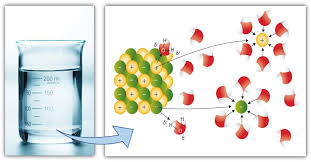
Ce cours intitulé "Méthodes Physicochimiques d'étude des Molécules Biologiques" est destiné aux étudiants de Master 1 en Microbiologie Appliquée. Il a pour objectif de fournir une base théorique et pratique sur les principales techniques instrumentales utilisées pour séparer, purifier et analyser les molécules biologiques.
Tout contenu scientifique demande une bonne maîtrise rédactionnelle. Pour écrire un bon article scientifique et éviter les erreurs, il est important de connaître certaines règles et méthodes de rédaction.
La microbiologie médicale est un
domaine très vaste et varié. C’est une discipline qui englobe l’étudie des
maladies infectieuses sur le plan virulence, épidémiologie, relations entre le
hôte et le pathogène ainsi que la flore normale. Elle englobe tout les agents
pathogènes, allant des virus et des protéines du Prion, passant les bactéries
pathogènes communes de l’homme et les champignons responsables des mycoses,
jusqu’au parasite macroscopiques comme protozoaires eucaryotes et les
arthropodes.
Ce cours est destiné aux étudiants de Master I, option: Microbiologie appliquée.
Objectifs de l'enseignement
Cet enseignement devra permettre aux étudiants de connaitre les différentes espèces bactériennes
impliquées dans les pathologies infectieuses. Egalement ce module sera axé sur l'épidémiologie et le
diagnostic bactériologique.
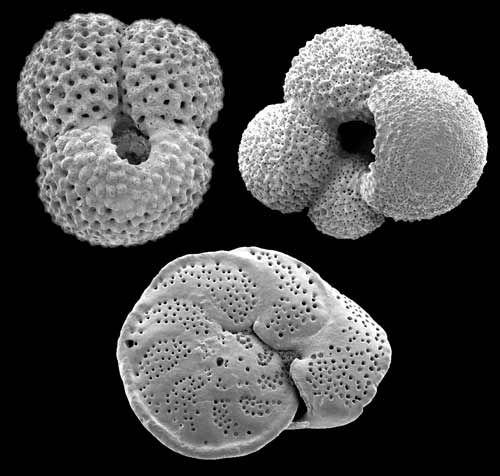
Micropaleontology is the branch of paleontology that studies microfossils, or fossils that require the use of a microscope to see the organism, its morphology and its characteristic details. Microfossils are fossils that generally not larger than four millimeters, and commonly smaller than one millimeter, the study of which requires the use of light or electron microscopy. Fossils which can be studied with the naked eye or low-powered magnification, such as a hand lens, are referred to as macrofossils.
Les moteurs thermiques ou à combustion sont des machines qui transforment l’énergie chimique
d’un carburant en énergie thermique puis en énergie motrice mécanique par la combustion
(carburant+ air).
3 année Biotechnologie végétale et amélioration (L) / Semestre 5
Enseignement de base en neurobiologie visant à mettre en place les bases physiologiques et moléculaires du développement et du fonctionnement du système nerveux : Bases cellulaires et moléculaires de l’excitabilité neuronale (biologie des canaux) ; bases cellulaires et moléculaires de la communication intercellulaire: principes généraux du fonctionnement synaptique (exocytose des neurotransmetteurs; récepteurs canaux; récepteurs métabotropiques)
Connaitre les différents centres nerveux et les pathologies affectant le système nerveux.
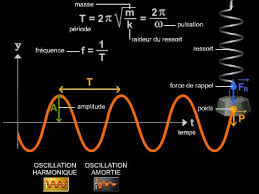
The course "Vibrations and Waves" presents in detail the mechanical vibration and wave phenomena. This is a basic module that deals with the oscillations of mechanical systems and which has experienced significant growth in recent years. It is aimed at second-year Bachelor's students in the Sciences and Technology sectors.
The course "Vibrations and Waves" has made it possible to greatly develop the techniques capable of solving physical problems in different fields. After studying vibrations with one and several degrees of freedom, it introduces key concepts such as resonance and the phenomenon of mechanical wave propagation. The basic principles and laws are stated and demonstrated in a didactic manner. Useful mathematical concepts and techniques are gradually introduced as needed. The physical aspects and applications are fully developed.
Unité d’enseignement : Méthodologie
-Introduce the basic notions of organic chemistry and present the main functional derivatives with a view to understanding industrial chemistry processes.
- Description of the mechanisms for obtaining different functions and the main reactions encountered in organic chemistry.

Le but de cette matière est de former les étudiants à l'apprroche analytique d'une hypothèse écologique. Cette démarche scientifique est fondamentale pour les écologues car elle constitue la seule méthode scientifique pour valider une hypothèse. L'idée de cette UE serait donc d'enseigner les différentes étapes clés de cette méthodologie (question, formulation d'une hypothèse et d'un ensemble de prédictions, définition d'un protocole expérimental adéquat, mise en place d'un échantillonnage, analyse statistique et diffusion des résultats).
Semestre:3
Unité d’enseignement: UEF 2.1.2
VHS: 45h00 (Cours: 1h30, TD: 1h30)
Crédits: 4
Coefficient: 2
Le cours Pharmacotoxicologie initie les étudiants en S5 de Biochimie et de Microbiologie aux connaissances de base requise en la matière. Grosso modo, cette matière expose
D'une part :
1-le devenir des médicaments dans l'organisme (la pharmacocinétique)
2-les effets des médicaments sur l'organisme (la pharmacodynamique)
D'autre part:
3-le devenir des toxiques dans l'organisme (la toxicocinétique)
4-les effets des toxiques et leurs mécanismes sur l'organisme (la toxicodynamique)
Des travaux pratiques permettent d'appliquer les compétences acquises au cours.
Initiation aux phénomènes physiques sous-jacents aux lois de l’électricité en général.
Ce cours traite de la prise en compte du comportement anélastique (plastique et/ou endommagement) des matériaux dans l’évaluation du comportement des structures à la rupture. Un lien avec la règlementation est également établi.
Master 1 Protection des écosystèmes (Semestre 2)
L'objectif de cette matiere est de Connaître les principales causes de pollution et les différents types de contamination des écosystèmes ainsi que leurs conséquences écologiques sur l’environnement.
Ce cours a pour objectif l'introduction des concepts de base du paradigme de programmation orientée objet, et la mise en œuvre de ses concepts en langage Java. Les concepts de base sont essentiellement : L’objet, la classe d’objet, l’encapsulation, l’héritage, et le polymorphisme. Le cours développe ses notions de base dans le langage Java, en particulier : La déclaration de classes, la déclaration et la création des objets, les constructeurs, les méthodes et les attributs, la déclaration des sous-classes et l'héritage, la déclaration et l’implémentation des interfaces, la déclaration et la manipulation de la visibilité en java, les packages, les classes abstraites, etc.
Toute la vie terrestre dépend d’une fine couche de sol. Le premier mètre de la surface de la Terre alimente plus de six milliards de personnes. Même une grande partie de la vie marine dépend des éléments érodés ou dissous des continents et transportés dans les milieux aquatiques. Depuis quelques décennies, des pressions économiques et démographiques ont conduit à une dégradation rapide et massive des sols exploités à travers le monde. Aujourd'hui, la dégradation des sols contribue non seulement à l'appauvrissement des écosystèmes, mais elle met en danger la qualité de vie. De ce fait , il est nécessaire de protéger les sols contre la dégradation et utiliser tous les moyens et les stratégies afin de conserver la qualité des sols
simulation du comportement d’un système régulé et l’influence des paramètres du régulateur
L'objectif de ce cours est d'approfondir les connaissances des réseaux par l’étude détaillée des principes de fonctionnement des protocoles de la couche liaison de données. Cette étude est concrétisée par la présentation des protocoles les plus répandus dans les réseaux WAN.
Ce cours est destiné aux étudiants de deuxième année ST
La résistance des matériaux (RDM) étudie le comportement du solide déformable. Elle s’intéresse particulièrement au calcul des dimensions des systèmes mécaniques pour qu’ils soient en mesure de supporter les efforts qui leur sont appliqués pendant leur service dans les conditions de sécurité requise.
1ère année LMD (TCSNV)
Objectifs de l’Enseignement:
Aider les étudiants à concevoir les métiers liés directement ou indirectement aux différentes spécialités des Sciences de la Vie et de la Nature
Master Mathématiques fondamentales (Semestre 2)
Ce cours a pour objectifs de modéliser le processus stochastiques (Aléatoires),
- Dans le premier chapitre nous introduisons le modele additif et quelques types de phénomène aléatoires
- Dans le deuxième chapitre nous étudions le processus linéaire.
- Le troisieme chapitre est consacré à l'étude du modèle ARMA.
- Le quatrième chapitre éxplique la méthode de prévision utilisant les modèles ARMA.
La
simulation est un outil utilisé pour imiter le comportement d'un système réel
ou hypothétique. Elle est utilisée pour modéliser des phénomènes
complexes ou incertains dans divers domaines. Ces deux chapitres visent à permettre
aux étudiants de ce familiarisé avec la génération des nombre aléatoire et pseudo
aléatoire, ainsi que les différentes techniques de génération d’échantillon suivant différentes lois de
probabilités.
Probabilités
I) Rappels sur les probabilités
II) Variables aléatoiresà une dimension
III) Lois de probabilités absolument continues usuelles.
this course is intended for students in the 1st year core commun GP/GC/GM

Biochimie appliquée
Master 1. S2
c'est l'étude de la physicochimie des macromolécules biologiques; glucides, protéines, lipides et acides nucléiques
cours de modules Structures en Béton armé pour les étudiants de master 1 génie civil, option Structures
Ce cours est destiné aux étudiants de deuxième année informatique. Après une introduction aux entreprises, les étudiants sont initiés à la conception et la modélisation, ayant comme résultat deux modèles: Modèle Conceptuel de Données et Modèle Conceptuel des Traitements.
Ce cours vise à introduire les principes de bases et concepts des systèmes distribués.
Depuis l'invention d'Internet, les systèmes répartis, dont l'exécution se déroule simultanément sur plusieurs machines, ont connu un essor considérable. Actuellement, bien des aspects de notre vie quotidienne sont gérés par de tels systèmes.
L'objectif de ce cours est de présenter les principaux problèmes posés par la conception de tels systèmes dans différents domaines clés.
Contenu de la matière :
Chapitre 01 : Introduction aux Systèmes Distribués
Chapitre 02 Communication dans les systèmes distribués ( Couches de protocoles, Modèle client-serveur, Appels de procédures à distance, Communication de groupe, Quelques approches pratiques)
Chapitre 03 : Synchronisation dans les systèmes distribués ( Synchronisation d'horloge, Exclusion-mutuelle algorithmes d'élection, Transactions atomiques, Interblocage dans les systèmes distribués)
Chapitre 04 : Agents et Threads distribués
Cours de Master 1, deuxième semestre (S2). Mathématiques appliquées + Fondamentales
Cette matière est une référence pour la deuxième année ST
Cette matière a pour objectif la compréhension et la rédaction de documents scientifiques
en langue française ainsi que l’utilisation et la traduction des termes scientifiques

Biochimie. Licence 3. S6
Contenu de la matière :
Description des méthodes de séparation des protéines, des acides nucléiques et des métabolites couramment utilisés par le biochimiste ;
CHAPITRE I : Méthodes spectrales
CHAPITRE II : Méthodes de fractionnement
CHAPITRE III : Les méthodes de marquage
CHAPITRE IV : Microscopie électronique

cours télédétection, pour les étudiants du master 2 protection des écosystèmes
Cours de 2ème année , semestre 3 Master Mathématiques Appliquées
Ce cours est destiné aux étudiants de 1ère année master mathématiques appliquées ainsi qu'aux étudiants de master des sciences physiques.
Il traite de la théorie des distributions et il est divisé en deux partie. Dans la première partie on donne les définitions et les notions les plus élémentaires sur les distributions telles que la notion de dérivation, de limite de suite ou de série de distributions ainsi que d'autres opérations sur les distributions. On aborde, dans la deuxième partie, des notions telles que le produit tensoriel, le produit de convolution des distributions et on définit l'espace de Schwartz ainsi que les distributions tempérées. On termine enfin par donner les définitions et les propriétés essentielles de la transformée de Fourier d'une distribution tempérée.
Un papier de cours contenant les deux premiers chapitres de la matière théorie des graphes destinée pour les étudiants du première année master mathématiques appliquées et mathématiques fondamentales. C'est une matière qui permet de modéliser une grande variété de problèmes en se ramenant à l’étude de sommets et d'arêtes. Le premier chapitre est consacré pour la terminologie et les notions de base de la théorie des graphes, ensuite un deuxième chapitre pour quelques classes de graphes et quelques paramètres d'un graphe. Le papier contient quelques exercices à résoudre et un travail de recherche à remettre sous forme d'un rapport.
Ce cours fait partie du programme dispensé pour les étudiants de deuxième année master mathématiques appliquées.
Il traite de la théorie des semi-groupes, qui est une théorie très intéressante pour étudier et résoudre une équation d'évolution d'ordre un avec une condition initiale dans un espace de Banach ( i.e. un problème de Cauchy abstrait). Dans la première partie on définit les semi-groupes uniformément continus, les semi-groupes fortement continus et le générateur infinitésimal d'un semi-groupe ainsi que quelques propriétés. Par deux résultats essentiels ( le théorème de Hille-Yosida et le théorème de Lumer-Phillips) on caractérise le générateur infinitésimal d'un semi-groupe fortement continu de contractions et par la suite on donne une caractérisation du générateur infinitésimal d'un semi-groupe fortement continu quelconque. On étudie aussi la notion de différentiabilité de semi-groupe et on donne quelques conditions qui assurent sa différentiabilité. Dans la deuxième partie de ce cours on définit et on résout un problème de Cauchy abstrait associé à un opérateur qui est le générateur infinitésimal d'un semi-groupe.
M1S2: mathématiques appliquées
Le but principal de ce cours est de donner les notions de base de la théorie spectrale des opérateurs linéaires, où on donne un intérêt particulier aux opérateurs auto-adjoints et compacts. A la fin on utilise ces notions pour donner une décomposition spectrale d'un opérateur auto-adjoint compact.
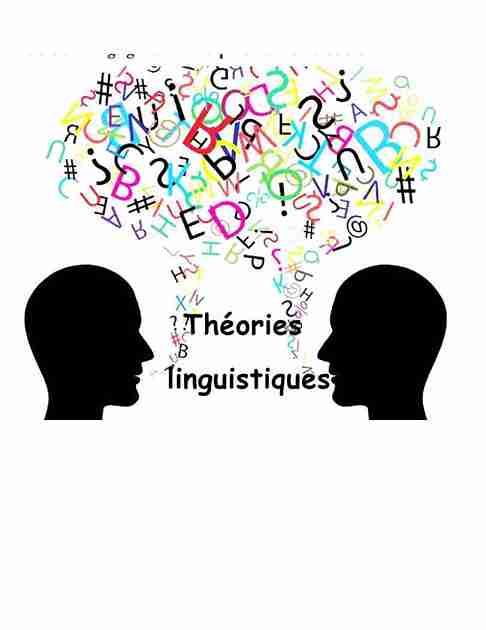
La signification de l’intitulée du module (Théories linguistiques).
La théorie désigne un ensemble d’idées et de concepts appliqués dans un domaine donné.
Quant à la linguistique, elle désigne la science ayant pour objet les langues naturelles (en se référant au structuralisme saussurien).
Donc, les Théories linguistiques renvoient aux différentes conceptions qui ont traversé et qui expliquent le fonctionnement d’une langue donnée.
Il importe de préciser que le passage d’une théorie à une autre se fait sous l’aspect d’un continuum et non pas de recherches disparates.
SNV. Licence 1. S2
Objectifs de l’enseignement
Cet enseignement permet d’acquérir une certaine compréhension des principes régissant les transformations et les interactions de la matière, le principe de la thermodynamique, de l'équilibre énergétique, et de la cinétique des réactions chimiques.
Toxicology is the scientific field that studies the harmful effects of chemical, physical, or biological agents on living organisms. In other words, studying toxicology means exploring how substances interact with the body at molecular, cellular, and systemic levels to understand their mechanisms of action and potential risks.
Food toxicology, in particular, focuses on substances that may enter the human diet, assessing their safety and how they affect health over short and long-term exposure.
A comprehensive understanding of toxicology requires a combination of theoretical knowledge, practical experimentation, and guided analysis to gain meaningful insight into the mechanisms of toxicity, the behavior of xenobiotics in the body, and the principles underlying safe exposure levels.


Understand the mechanisms and formalisms used to describe mass transfer; Know how to write a material balance required for equipment calculations.
L'énergie est difficile à définir simplement autrement qu'à travers ses effets et ses variations : pour le transport, pour le chauffage des habitations, pour l'industrie, pour l'éclairage et autres appareils électriques.... Un système possède donc de l'énergie s'il est capable de fournir du travail mécanique ou son équivalent... L’énergie dans le sens commun du terme est surtout assimilée à l’énergie utilisée par l’Homme pour s’éclairer ou se chauffer. En réalité il ne s’agit que d’une partie des nombreuses formes que peut prendre l’énergie dans la nature et que l’Homme a appris à utiliser et à transformer pour en tirer des bénéfices.
Dans ce cours nous allons définir la notion d’énergie et nous étudierons les différentes formes d’énergie que sont les énergies, thermique, électrique, chimique, nucléaire et lumineuse.
Le cours a pour but de faire connaitre aux étudiants les différents types de turbomachines telles que les pompes, les ventilateurs, les compresseurs et les turbines, nous discutons les principes de bases d’une importante application de la mécanique des fluides, Turbomachines.
Licence Electromécanique (Semestre 6)