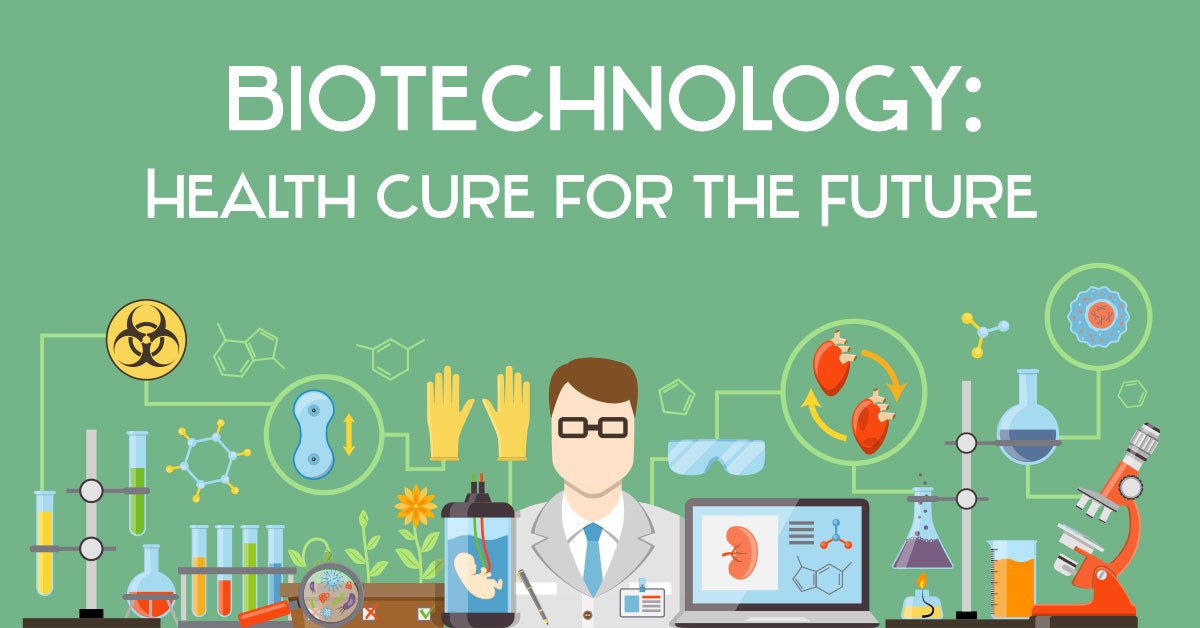
Biotechnology is the engine behind a medical revolution, turning
fundamental biological discoveries into innovative therapies capable of
treating—or even curing—complex diseases like cancer or rare genetic disorders.
🧬 Key Types of Innovative Therapies
Current
advances focus on using biological systems to create highly targeted
treatments:
- Gene Therapy: Modifying a patient’s genetic material
to treat a disease at its source.
- CRISPR-Cas9: A genomic editing tool that "cuts" and
"repairs" DNA with precision, currently used for conditions
like sickle cell anemia.
- Viral Vectors: Using modified viruses (like AAV or lentiviruses) to deliver
healthy genes into target cells.
- Cell Therapy (CAR-T): A patient’s immune cells (T cells) are
harvested, genetically reprogrammed in a lab to recognize cancer cells,
and then re-infused to destroy the tumor.
- Therapeutic Proteins: Producing complex molecules like monoclonal
antibodies, recombinant insulin, or growth hormones using genetically
modified cells.
- mRNA Vaccines : Technology that instructs the body's
cells to produce a protein that triggers an immune response, popularized
by COVID-19 vaccines but now being tested for cancer.
🚀 Challenges & Future Perspectives
- Artificial Intelligence : AI is now accelerating the discovery
of new therapeutic targets and optimizing manufacturing processes
(biomanufacturing).
- Industrial Bioproduction: A major challenge remains scaling up
from lab research to safe, large-scale production (GMP standards) to make
these treatments affordable.
- Regulation: Development is strictly monitored by
agencies like the EMA (Europe) or FDA (USA) to ensure patient safety
throughout the clinical trial phases.