مخطط الموضوع
-
belfethi.l@centre-univ-mila.dz
•Subject : Biotechnology instrumentation and maintenance
• UED1
•crédits: 1
•coefficient: 1
•TD: 1.30h, cours: 1.30h / par semaine
•modalités d'évaluation: TD: 1 interrogation + la présentation et la participation + des exposes ; cours: contrôle
-
at the end of this training course, the learner will be able to:
•Know all the instruments used in the biotechnology laboratory
•Recognise the components used in the construction of each laboratory machine
•Understand the operation of each machine
•Recognise the types of machines and their uses
• be able to use the equipment safely
• know how to maintain and repair them. -
•hygiene and safety in the laboratory•Biology instruments , methods and laboratory safety
-
In this chapter we will see the definition of biotechnological instrumentation, emphasizing its importance before introducing microscopy instruments. The chapter then details the optical microscope, its essential components like the eyepieces and objectives, and the method for calculating the total magnification of the image. A large section is dedicated to presenting and explaining the different types of microscopes (bright field, dark field, phase contrast, fluorescence, confocal, etc.). Finally, the operating principle of each type is explained, along with specific techniques such as the use of immersion oil to improve resolution.
-
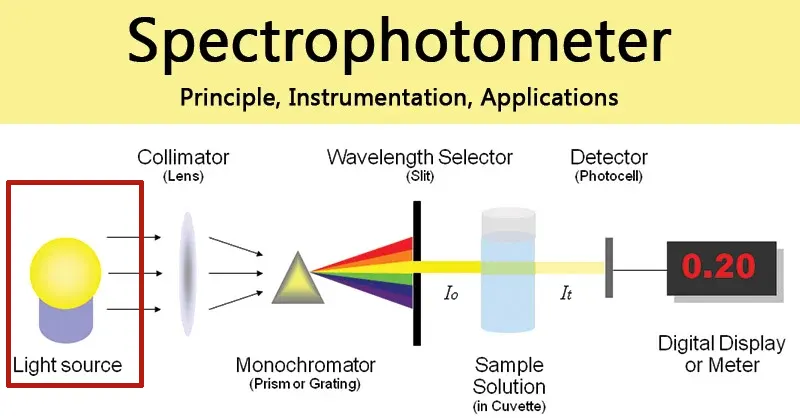
In this chapter, we will study the spectrophotometer, an essential instrument used to measure the intensity of light absorbed by a sample. We will look at the definition of this device and its main biotechnological applications, particularly the quantification of DNA, RNA, and proteins. The chapter details the instrumentation and components of the spectrophotometer.
-
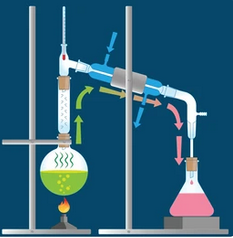
This chapter explores the main **separation and purification instruments** used in biotechnology and chemistry.
We begin by discussing how a **centrifuge** works, which separates fluids or particles according to their density using centrifugal force.
The chapter then details the principles of the **water distiller** and the **rotary evaporator (Rotavap)** for purifying liquids and distilling solvents under vacuum.
Finally, we study the **Soxhlet extractor**, an essential device for the continuous extraction of a chemical species from a solid powder using a solvent.
-

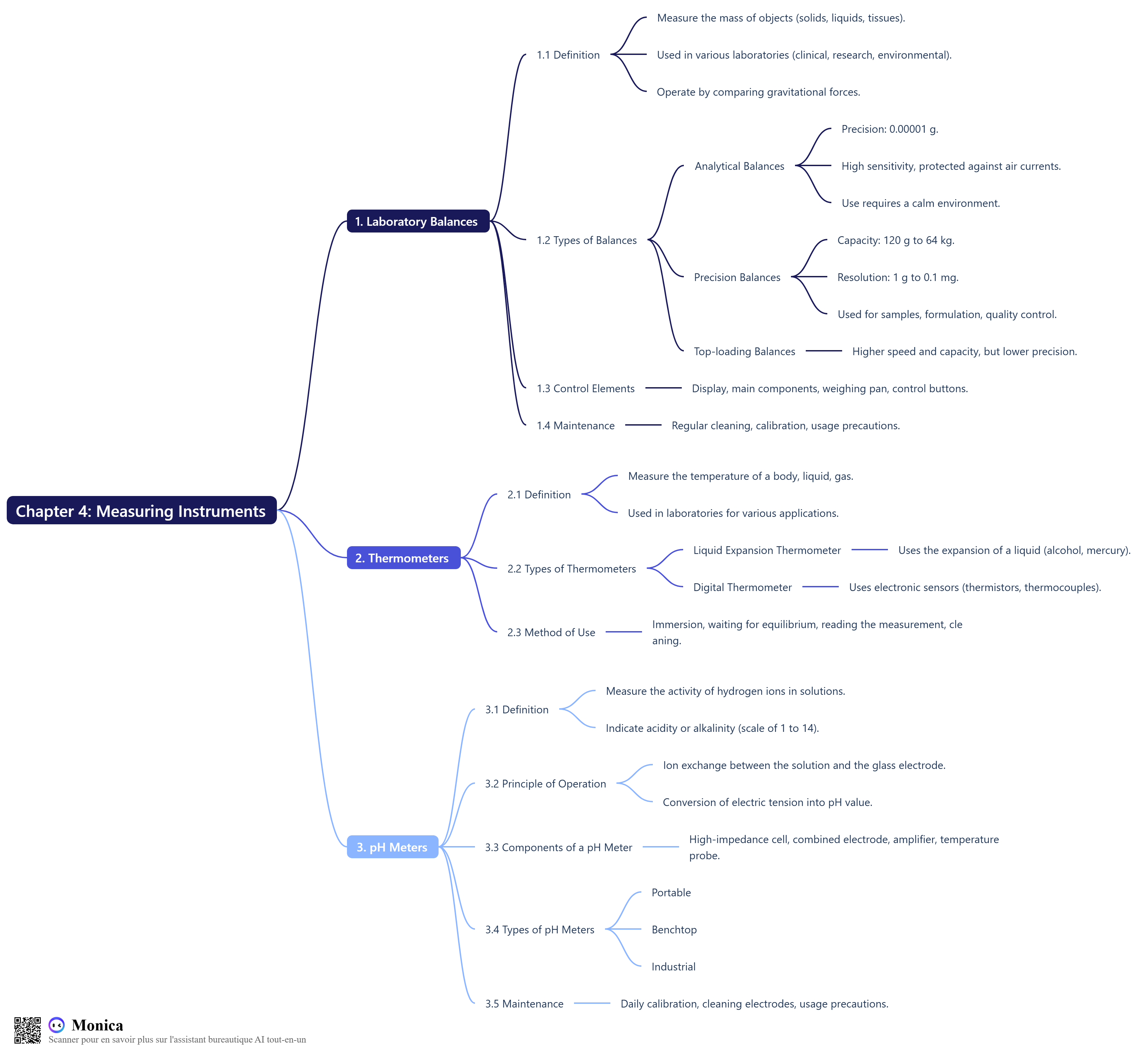
In this chapter, we explore the essential measuring instruments used in laboratories and various scientific applications. Understanding these tools is crucial for accurate measurements in experiments and research. We will delve into the functionalities, types, and maintenance of three primary instruments: laboratory balances, thermometers, and pH meters. Each of these instruments plays a vital role in ensuring precision and reliability in scientific measurements, enabling researchers to obtain valid results and make informed decisions based on their findings. This chapter aims to provide a comprehensive overview of these instruments, highlighting their importance in the field of science and technology.
-
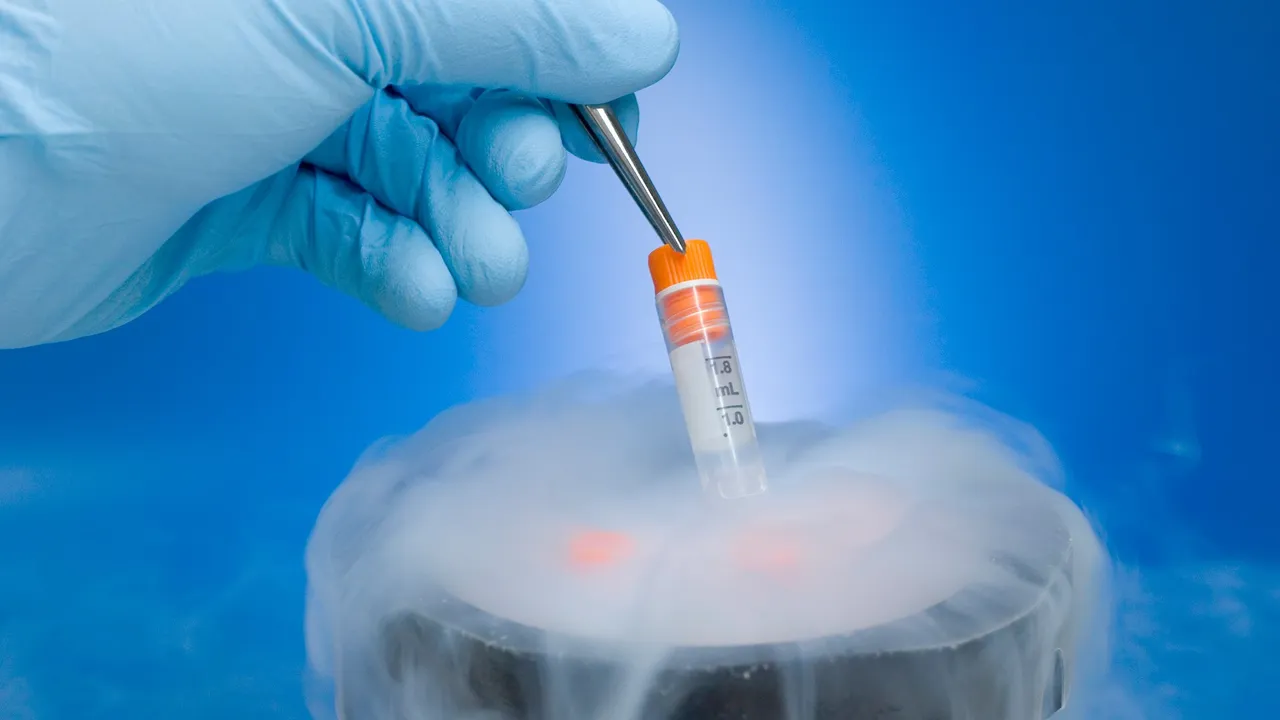
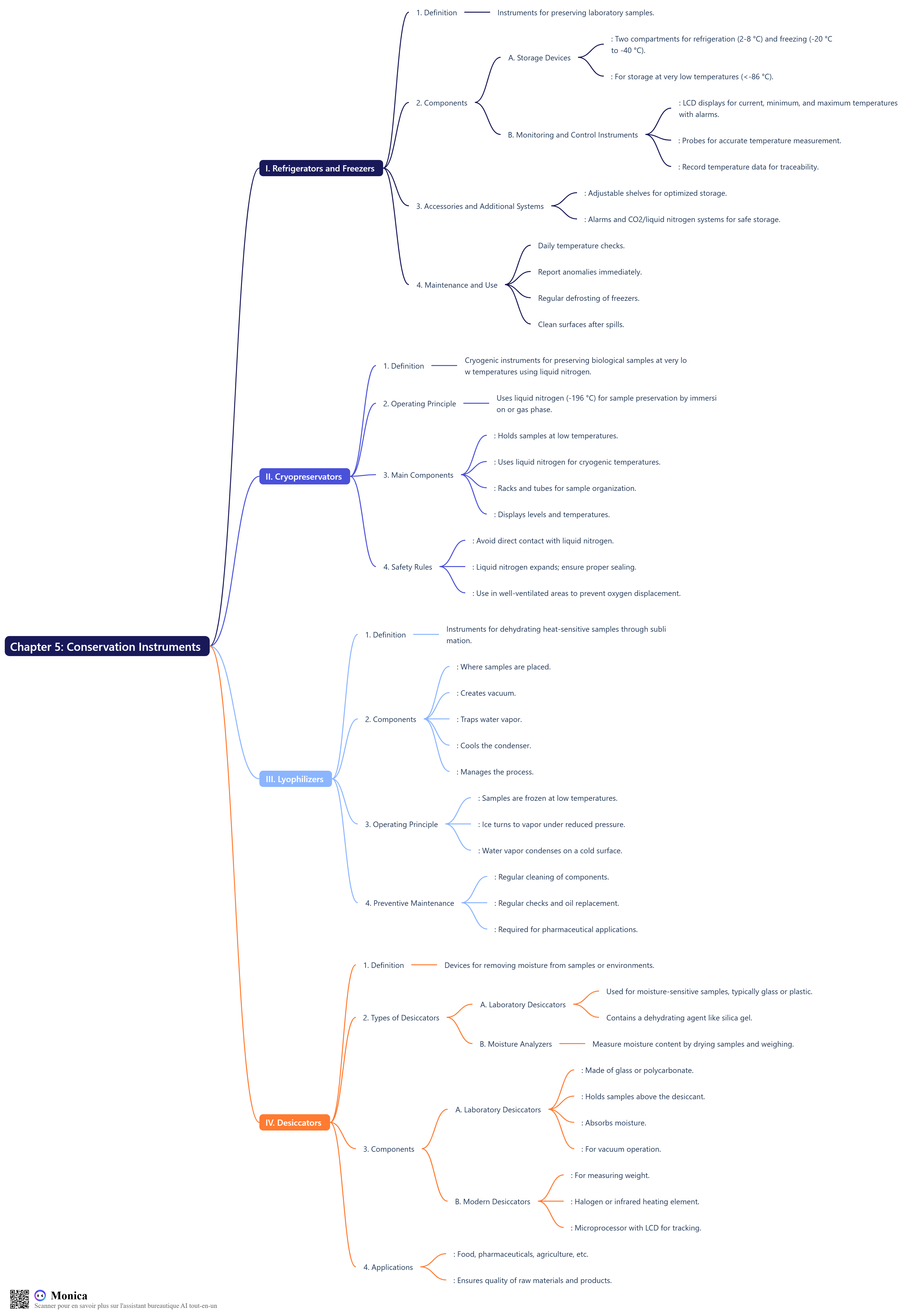
In this chapter, we will explore various conservation instruments essential for preserving laboratory samples and biological materials. Understanding the functionality and importance of these instruments is crucial for maintaining the integrity of sensitive samples in scientific research. We will examine the different types of refrigeration systems, cryopreservators, lyophilizers, and desiccators, detailing their components, operating principles, safety guidelines, and maintenance practices. By the end of this chapter, readers will have a comprehensive overview of the tools and techniques used in sample conservation, highlighting their significance in laboratory settings.
-

In this chapter, we will explore the fundamental instruments used for sterilization in laboratory and medical environments
. The focus is primarily on two essential methods: moist heat sterilization using an autoclave and dry heat sterilization using a hot air oven . The chapter details the specific mechanisms, operating principles, and key components of each device
. Furthermore, it provides critical guidelines on material compatibility, safety precautions, and standardized protocols to ensure an effective and irreversible destruction of all microbial life forms, including resistant spores . 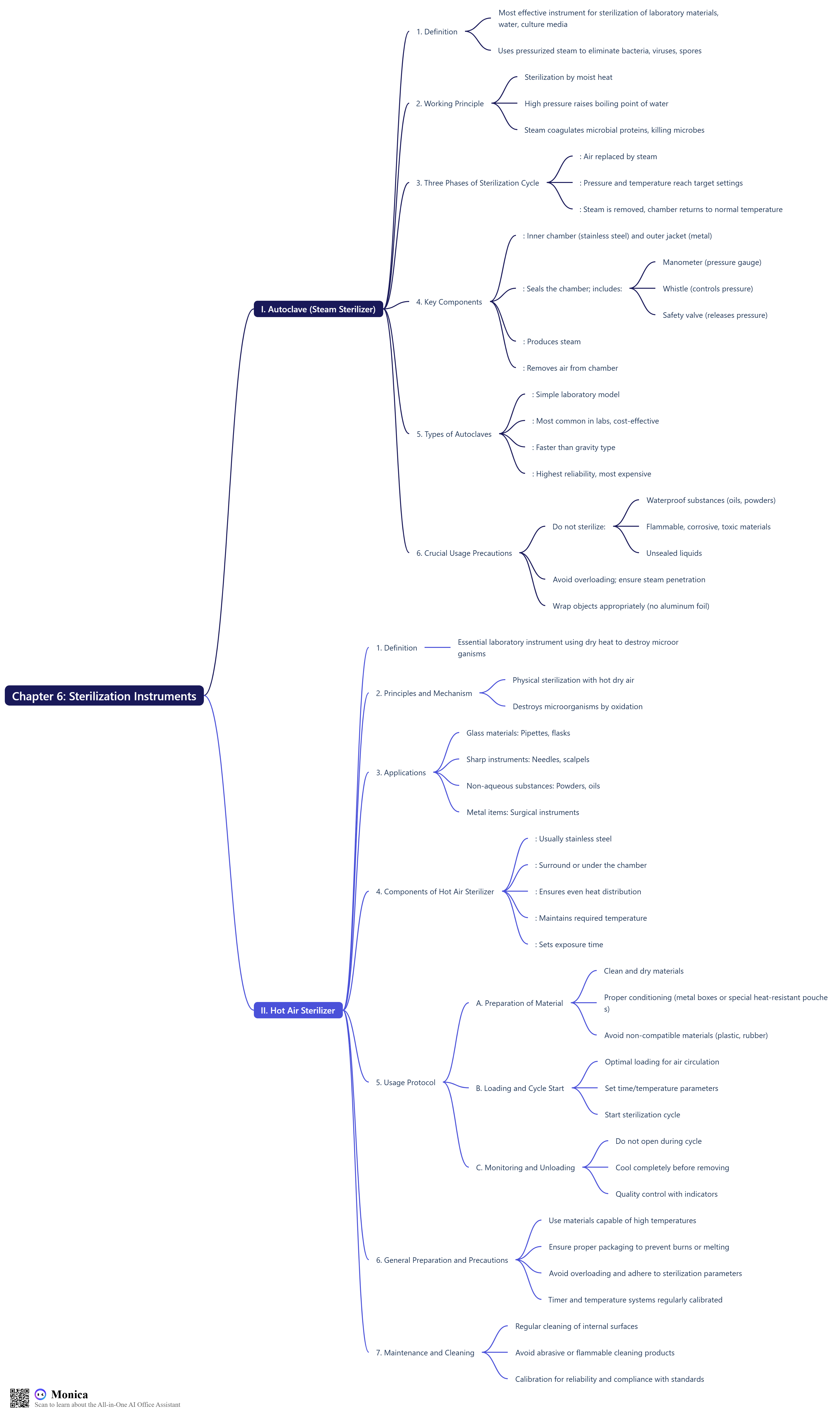
-
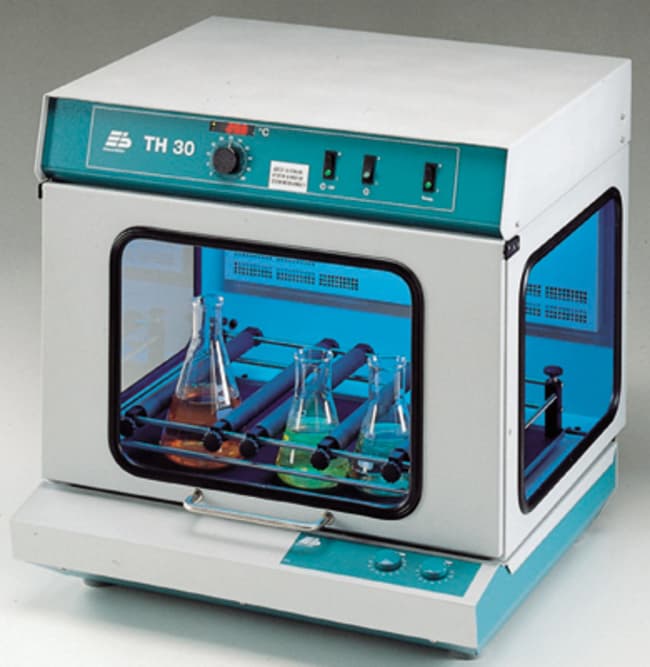
Dans ce chapitre, nous explorons les outils fondamentaux utilisés pour maintenir des conditions environnementales contrôlées en laboratoire : l'incubateur et le bain-marie
. Contrairement à la stérilisation, l'incubation vise à favoriser le développement optimal d'organismes vivants ou à stabiliser des réactions chimiques sensibles en régulant précisément des paramètres tels que la température, l'humidité et les gaz . 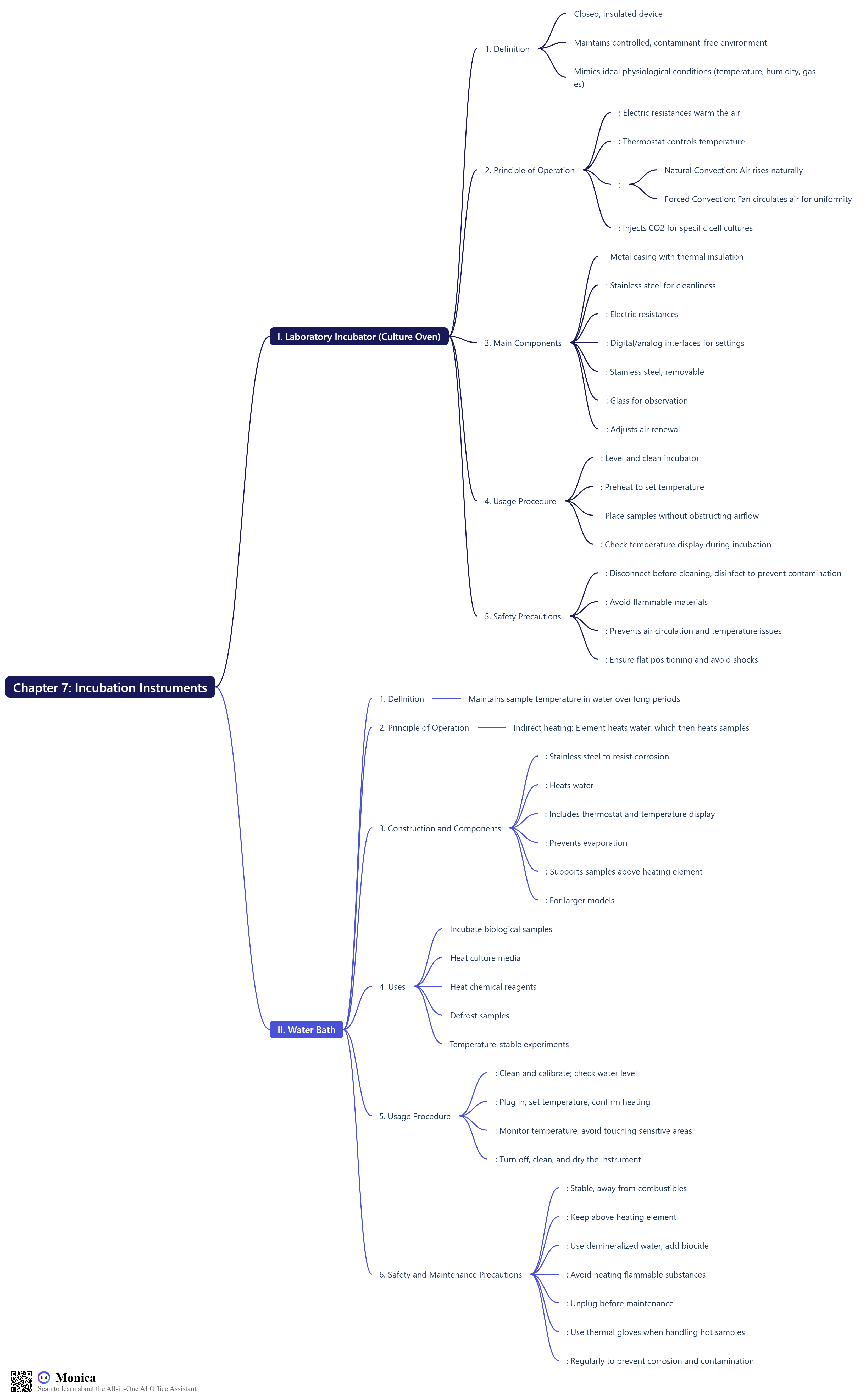
-

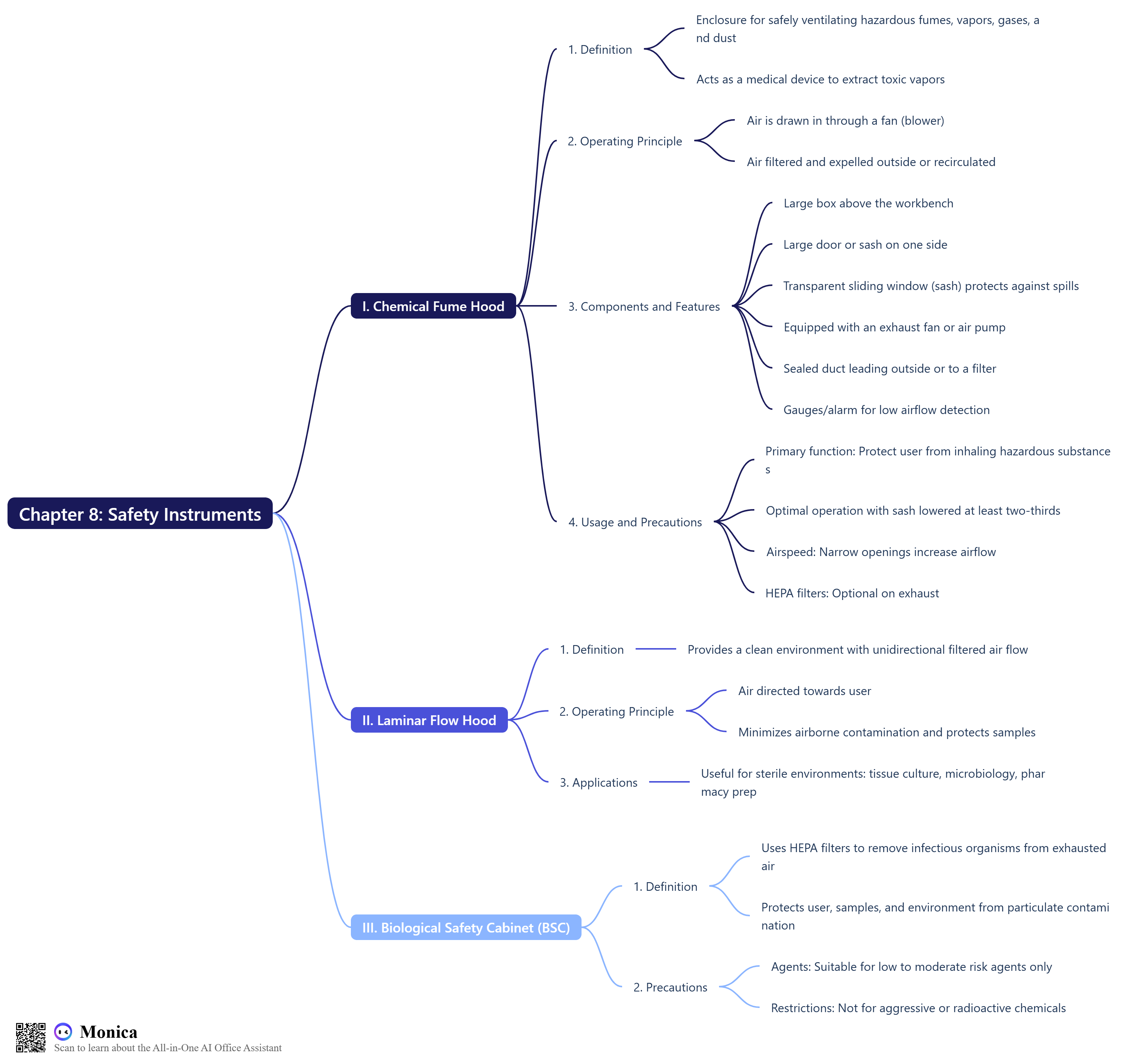
In this chapter, we explore the essential safety instruments used in biotechnology and chemistry laboratories. Maintaining a safe and sterile environment is paramount to protect the operator, the samples, and the surrounding environment. These devices are specifically designed to control airflow and filter hazardous particles or toxic vapors.
We will focus on three primary types of protective enclosures:
Fume Hoods: Designed to protect the operator by ventilating hazardous fumes, vapors, and dust generated during chemical processes.
Laminar Flow Hoods: Used to provide a contaminant-free work zone by directing filtered air over the workspace to protect sensitive samples.
Biological Safety Cabinets (BSC): Advanced systems that use HEPA filters to provide triple protection for the user, the product, and the environment against infectious agents.
-

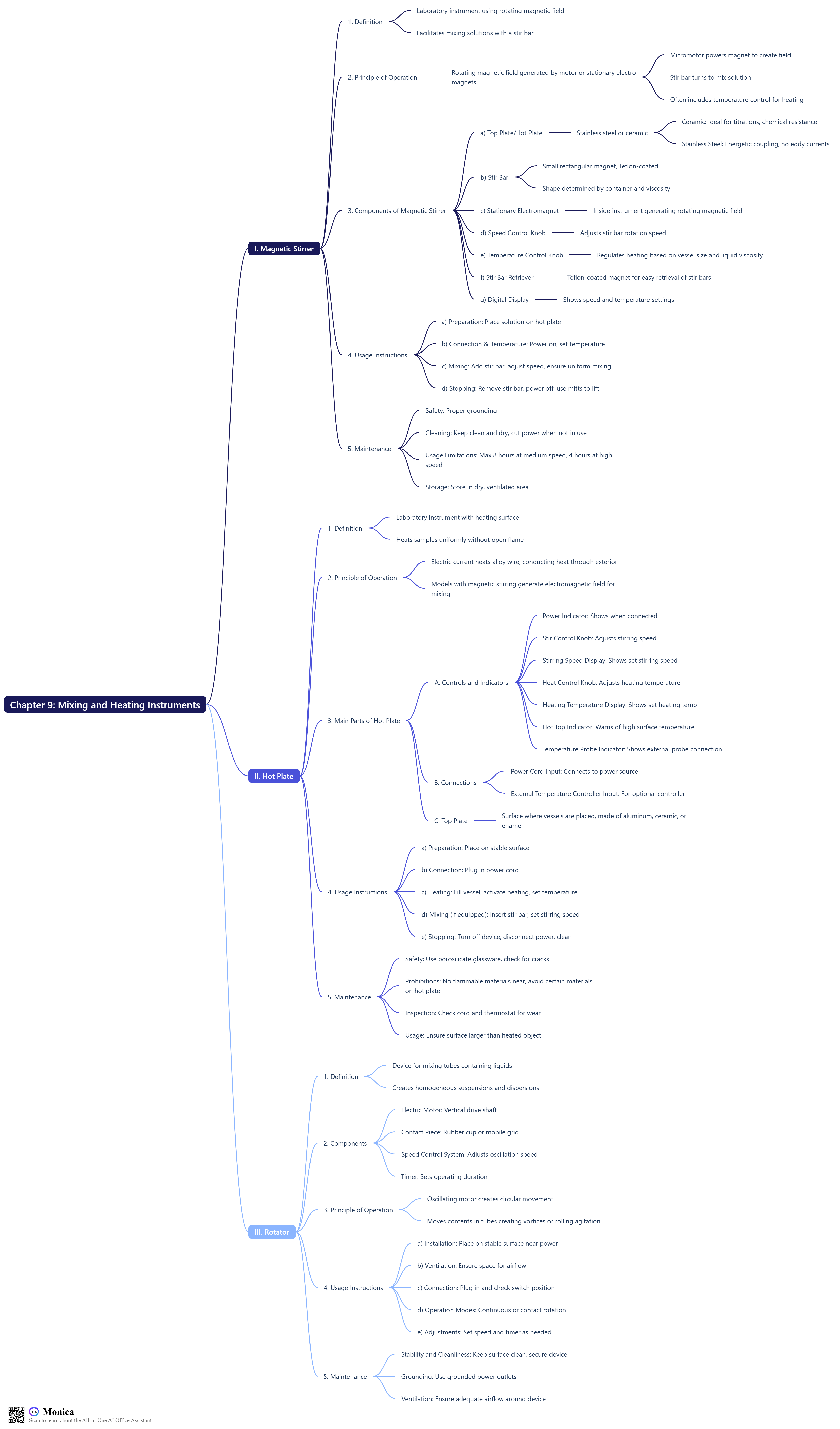
In this chapter, we focus on the essential laboratory instruments used for the mixing and heating of samples, which are fundamental processes in chemical and biological experiments. These devices are designed to ensure the homogeneity of solutions and to provide precise temperature control to facilitate various reactions.
We will examine the following key instruments:
Magnetic Stirrers: Which use rotating magnetic fields to mix liquids efficiently, often combined with heating plates.
Water Baths: Used to maintain samples at a constant temperature for prolonged periods, providing a stable and indirect heating environment.
Vortex Mixers: Designed for the rapid mixing of small volumes of liquid in tubes or flasks through high-speed circular motion.
Laboratory Rotators and Rollers: Used for gentle and continuous mixing, ideal for applications like cell culture or blood sample homogenization.
Understanding the operating principles, specific components, and safety maintenance of these tools is vital for achieving accurate and reproducible results in the laboratory.
-

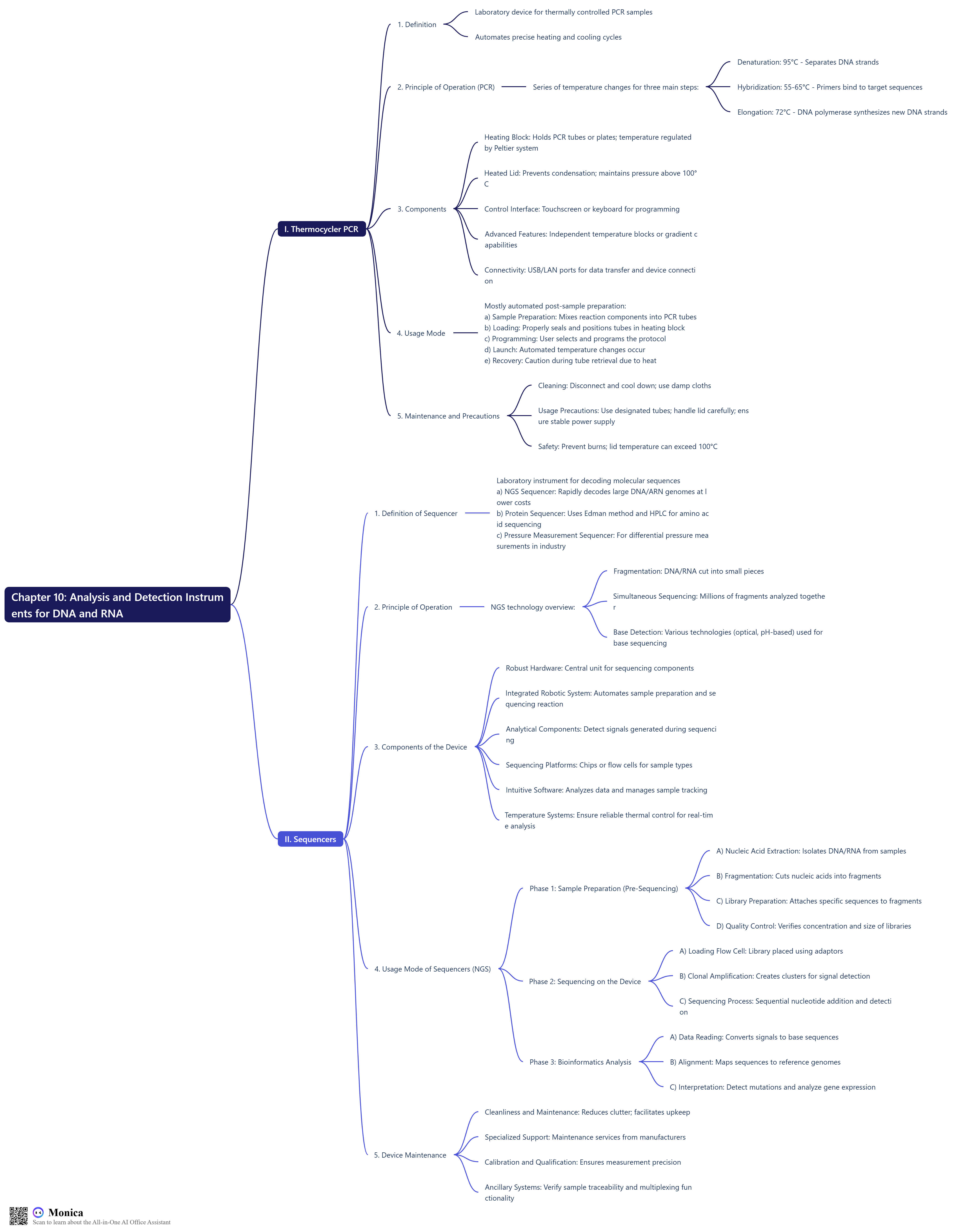
In this chapter, we explore the specialized instruments used for the analysis, amplification, and sequencing of nucleic acids, which are the cornerstones of modern molecular biology and genetics. These advanced technologies allow researchers to detect, quantify, and decipher the genetic information contained within DNA and RNA samples with high precision.
We will examine two fundamental types of equipment:
PCR Thermocyclers: Also known as thermal cyclers, these devices automate the rapid cycles of heating and cooling required for the Polymerase Chain Reaction (PCR), enabling the exponential amplification of specific DNA sequences.
DNA and RNA Sequencers: Sophisticated platforms (such as NGS - Next-Generation Sequencing) designed to determine the exact order of nucleotides within a genetic molecule, facilitating mutation detection and gene expression analysis.
Understanding the complex operating principles, the essential components, and the maintenance requirements of these detection instruments is vital for ensuring the accuracy and reproducibility of genomic data in the laboratory.