Topic outline
Présentation de l'auteur
Dr. belfethi leila
Grade : Maître de Conférences Classe « B »
Institut: Des sciences de la nature et de la vieDépartement des Sciences Biologiques et Agricoles
Contact : belfethi.l@centre-univ-mila.dz
Subject: Perennial Crops (Cultures pérennes)
Course Specifications: 3rd Year (L3)
Subject: Perennial Crops (Cultures pérennes)
Teaching Unit: Core Unit (UEF1 - Unité d’Enseignement Fondamentale)
Field: SNV (Nature and Life Sciences)
Faculty: of Nature and Life Sciences (SNV)
Department: of Biological and Agricultural Sciences
Specialty: Plant Production
Semester: 6
Academic Year: 2026/2027
Credits: 06
Coefficient: 03
🎯 Learning Objectives of the Teaching Unit
Learning Objectives (Objectifs d'enseignement)
Based on the text you provided, here are the specific goals of this course:
Technical Mastery of Fruit Production: You will learn practical methods to optimize the growth, health, and yield of fruit-bearing plants (Perennial crops).
Advancement in Production: You will study techniques to improve the breeding, health, and productivity .
Practical Application: The focus is not just on theory, but on practical knowledge (connaissances pratiques) that can be applied directly in the field or at a production facility.
Production Optimization: Understanding how to use modern biotechnology and management techniques to increase the quality and quantity of agricultural output.
- 📚prérequis
Knowledge of agronomic and biological concepts is essential for this module
Chapter 1: General information
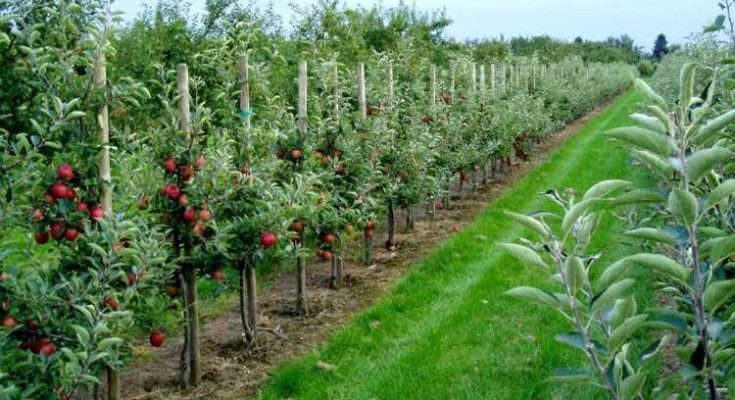
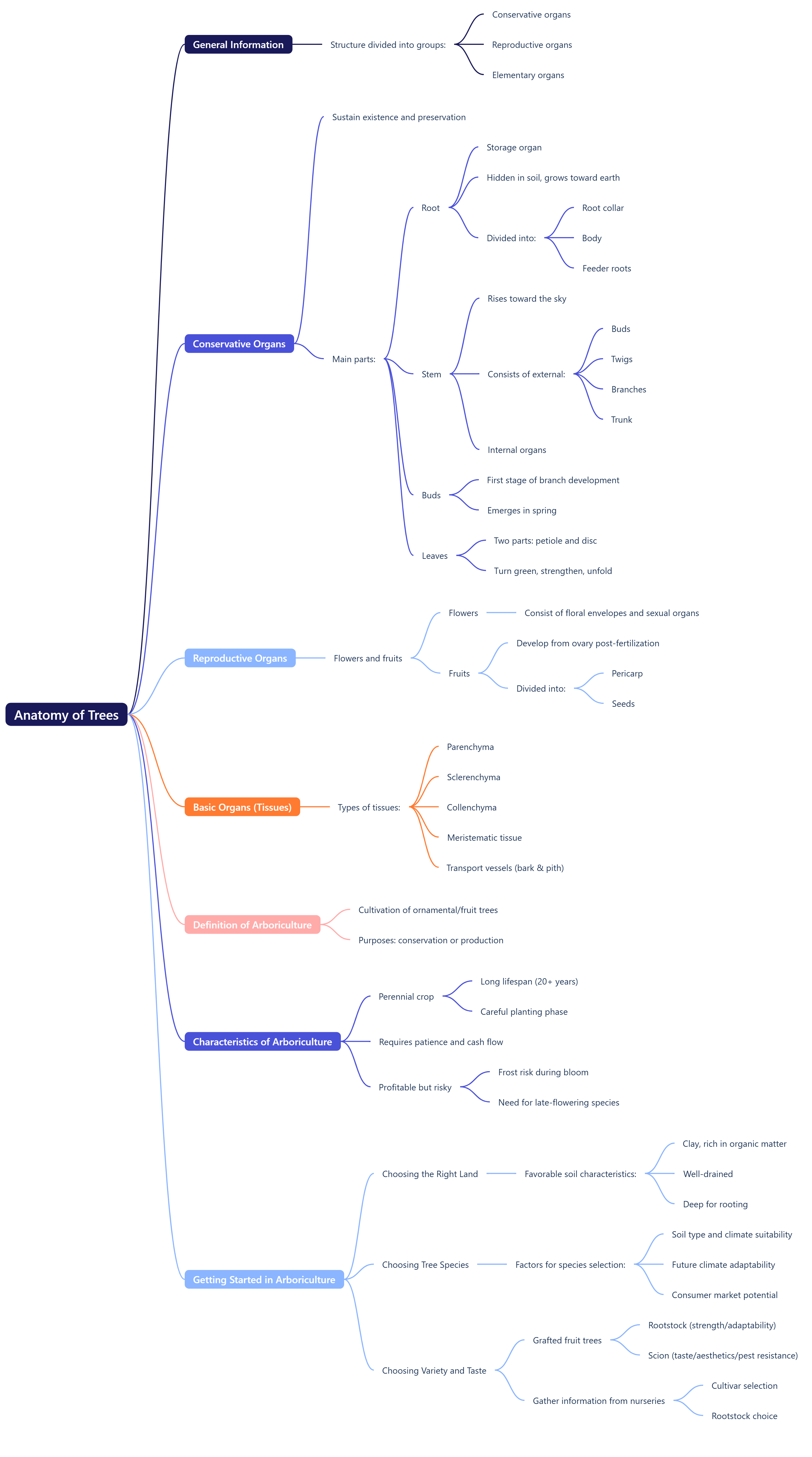
This chapter provides an overview of the fundamental principles of arboriculture, focusing on the structural anatomy of trees and the essential requirements for their cultivation
. We will explore how trees are composed of various organ groups conservative, reproductive, and elementary each playing a vital role in the plant's survival and development . Beyond botanical theory, this section defines arboriculture as a specialized field that requires long term vision, patience, and careful technical choices, from soil preparation to the selection of grafted varieties
. 
chapter 2 Creation of a fruit tree nursery
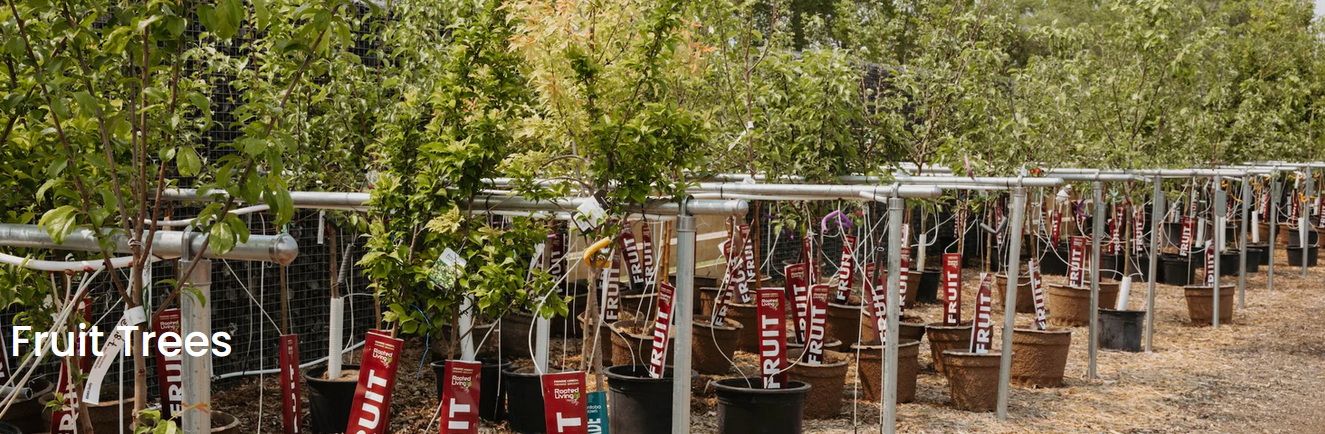
This chapter explores the fundamental steps involved in the creation of a fruit tree nursery
, a dedicated plot of land for the production, propagation, and cultivation of plants until they are ready for final planting . We will classify the different types of nurseries according to their production and duration while analyzing the technical and environmental conditions essential for their success The objective is to understand how rigorous land organization, combined with the optimal management of human and natural resources
, ensures the health and vigor of young seedlings before their permanent transfer . 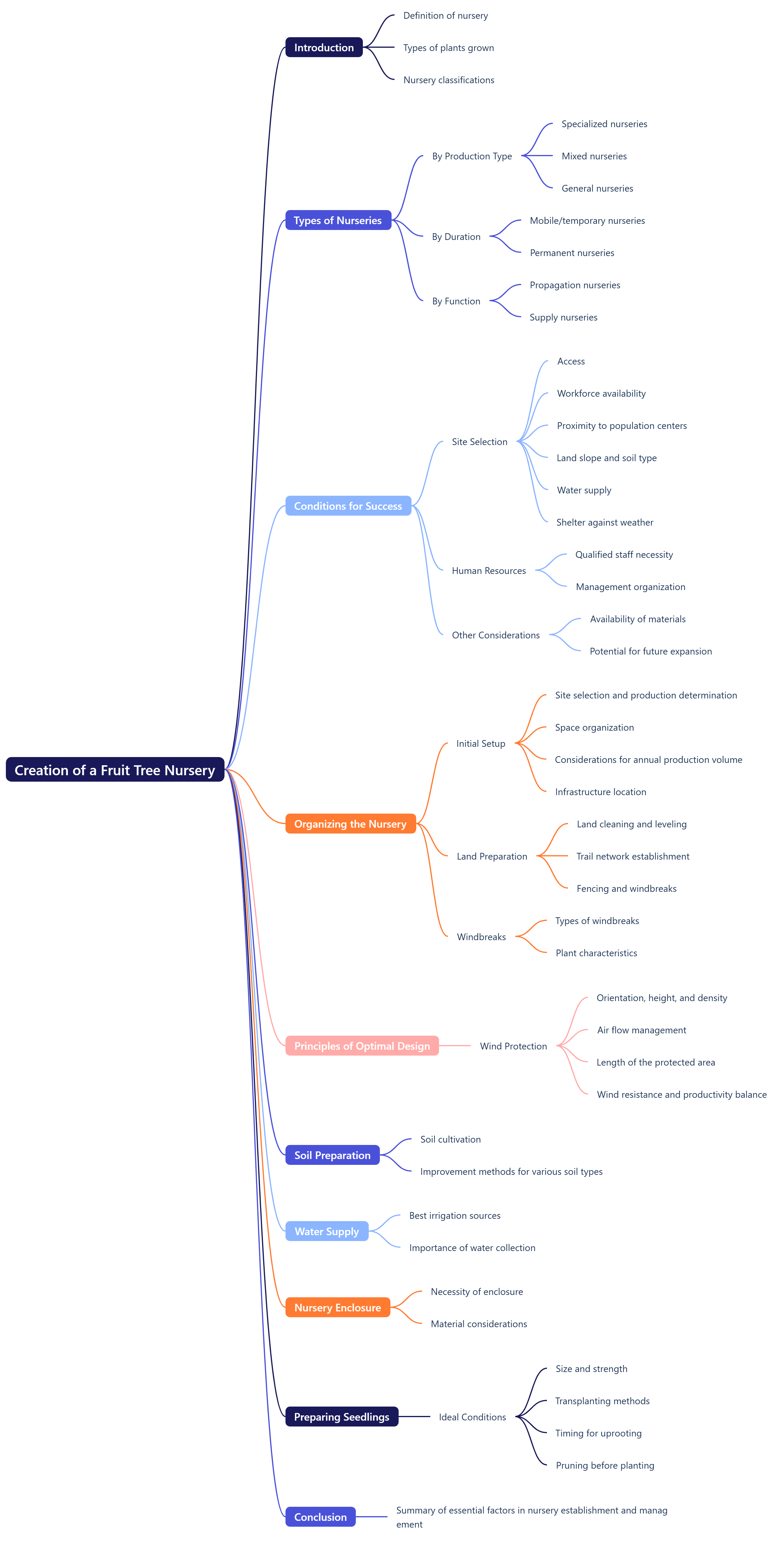
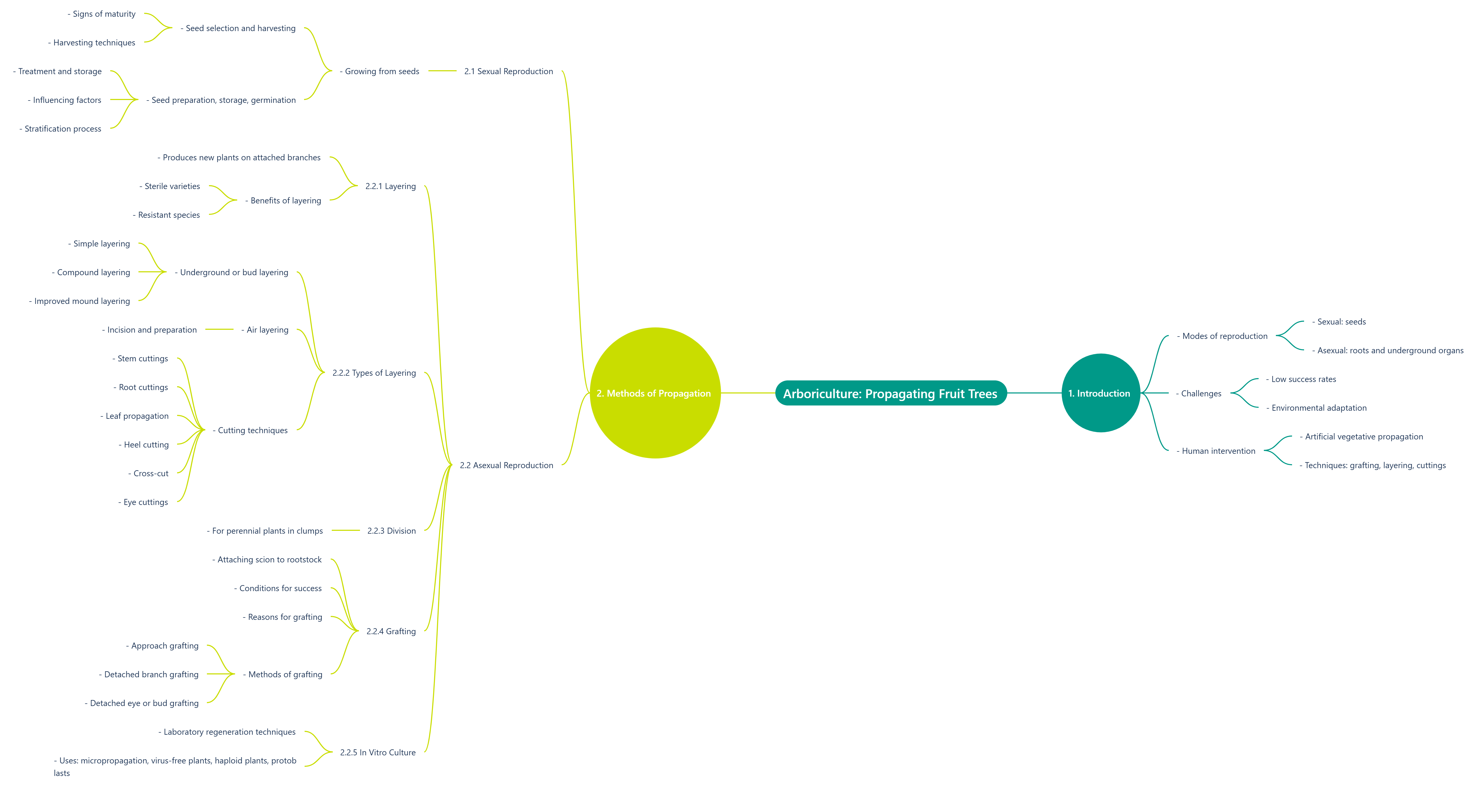
chapteur 3 Propagating fruit trees
In this chapter, we will explore the various methods used to ensure the survival and multiplication of fruit tree species
. While nature employs both sexual reproduction (via seeds) and asexual reproduction (via roots and lateral shoots), human intervention is often necessary to increase success rates and preserve specific variety traits . We will detail the technical processes involved in:
Sexual Reproduction: Covering seed selection, harvesting, storage, and the essential process of stratification to stimulate germination
. Asexual Reproduction: Examining vegetative techniques such as layering (including simple, compound, and air layering), various types of cuttings, and division
. Grafting and Laboratory Techniques: Discussing the principles of joining scions to rootstocks and modern in vitro culture methods like micropropagation and embryo rescue
.
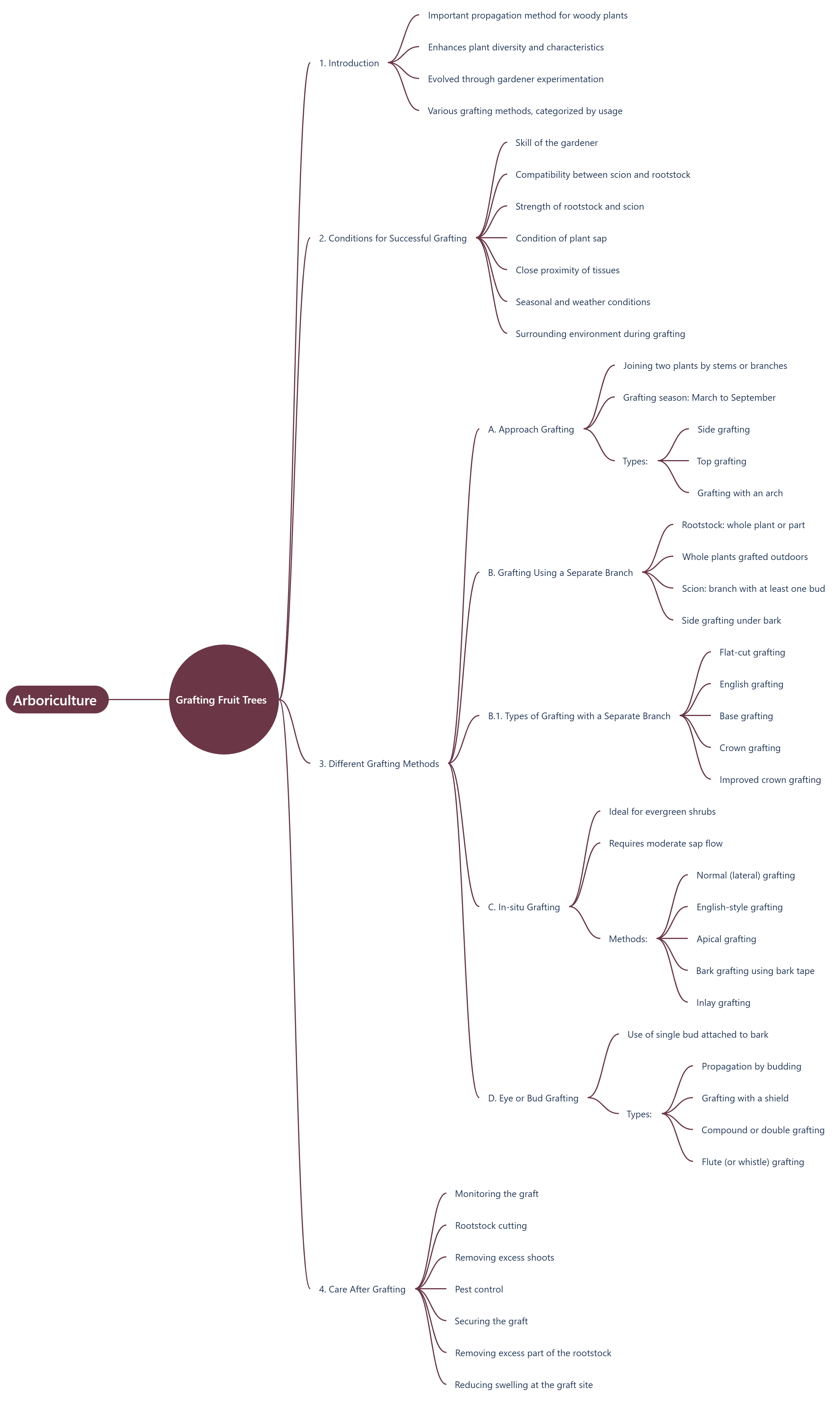
chapter 4 Grafting Fruit Trees
In this chapter, we will explore the essential techniques and biological principles behind the propagation of fruit trees
. While nature relies on sexual reproduction through seeds and asexual reproduction through underground organs, human intervention via artificial vegetative propagation is often necessary to ensure the survival of species and the preservation of specific variety characteristics . Throughout this text, we will examine:
Sexual Reproduction: The selection, harvesting, and treatment of seeds, including the critical process of stratification to preserve germination capacity
. Asexual Reproduction: Detailed methods of vegetative propagation such as layering (simple, compound, and air layering), which allow for the production of new independent plants while maintaining the traits of the parent
. Cuttings and Division: Various techniques for stimulating growth from plant parts like stems, roots, and leaves, as well as rejuvenating perennial plants through division
. Advanced Propagation: The fundamentals of grafting to produce disease-resistant and high-yielding trees, and the use of in vitro culture for mass micropropagation and disease-free plant production in controlled laboratory environments
.
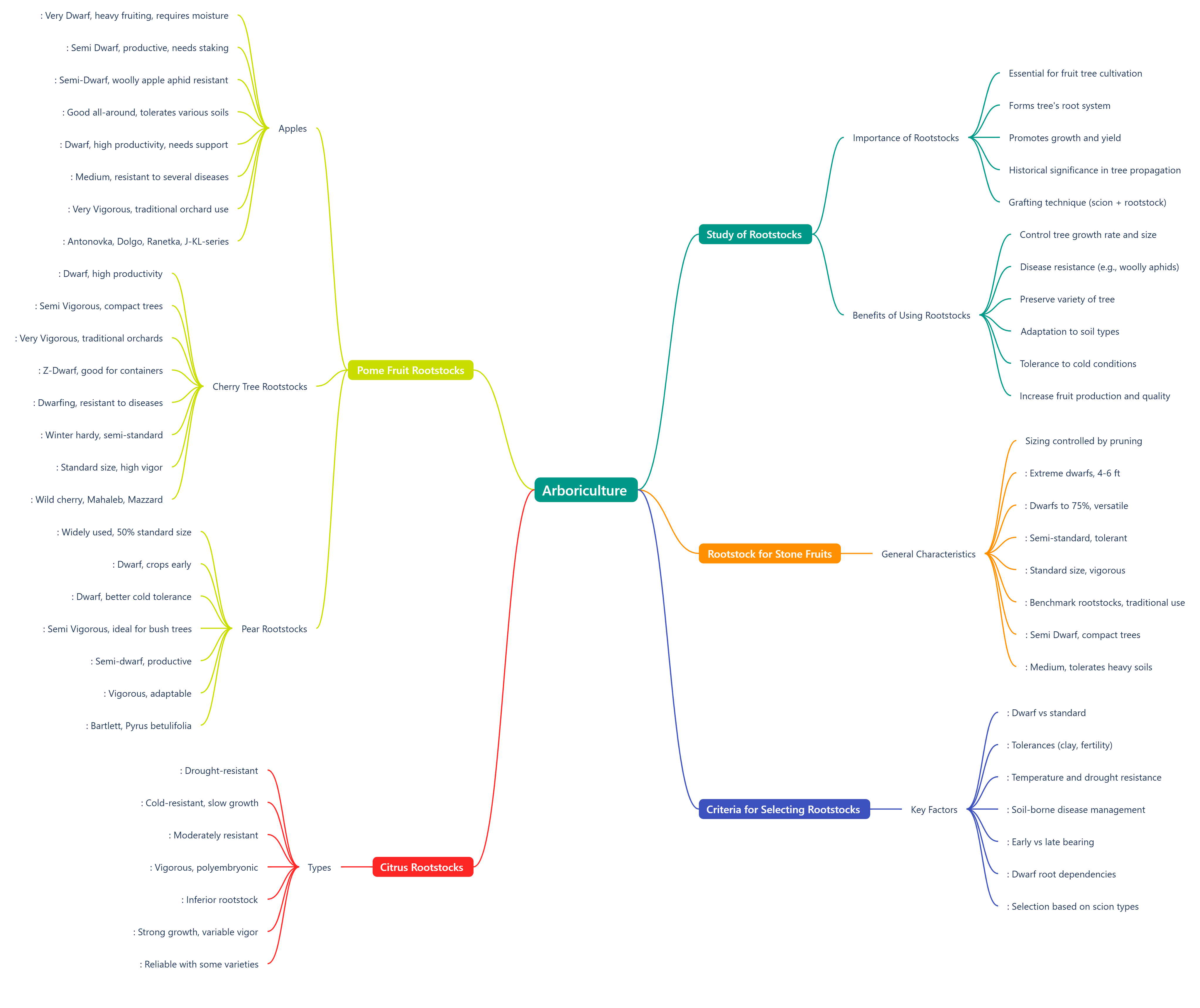
chapter 5 Study of rootstocks

In this chapter, we will explore the essential techniques and biological principles involved in the propagation of fruit trees
. While nature relies on sexual reproduction through seeds and asexual reproduction through underground organs, human intervention is often necessary to increase success rates and preserve the desired characteristics of specific varieties . Throughout this text, we will examine:
Sexual Reproduction: The selection, harvesting, and treatment of seeds, including the critical process of stratification used to preserve germination capacity and stimulate growth in hard or starchy seeds
. Asexual Reproduction (Layering): Detailed methods such as simple, compound, and air layering, which produce new plants by stimulating root development on branches still attached to the parent
. Cuttings and Division: Various techniques for growing independent plants from stems, roots, or leaves, as well as rejuvenating perennial plants by dividing "clumps" to improve flowering
. Grafting and In Vitro Culture: The fundamentals of joining a scion to a rootstock to produce disease-resistant trees
, and modern laboratory techniques like micropropagation used to regenerate identical, virus-free plants from cells or tissues .
Chapter 6 Creation of an orchard
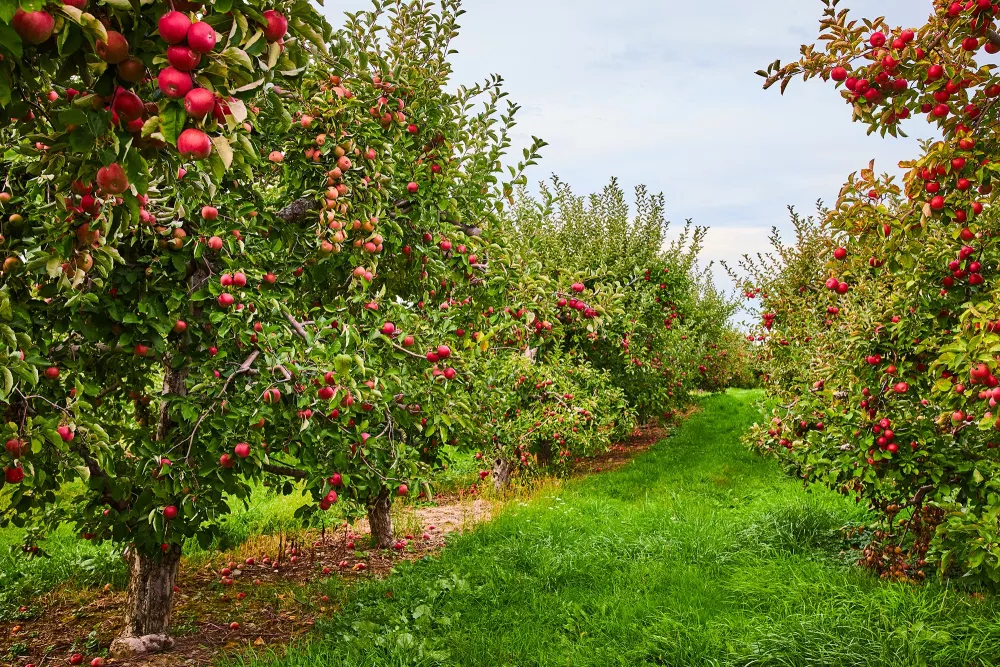
In this chapter, we explore the essential methods and biological principles of propagating fruit trees
. While nature relies on sexual reproduction through seeds and natural asexual reproduction via underground organs, human intervention is often necessary to ensure the survival of species and the preservation of specific variety characteristics . Throughout this text, we will examine:
Sexual Reproduction: The selection and harvesting of seeds, as well as the treatment and storage methods required for successful germination
. Seed Stratification: The critical process of arranging seeds in layers to preserve their germination capacity and stimulate growth in hard or starchy seeds
. Layering Techniques: Various vegetative propagation methods such as simple, compound, mound, and air layering, which stimulate root development on branches while they are still attached to the parent plant
. Cuttings and Division: Methods for growing independent plants from stem, root, leaf, or bud sections, along with techniques for rejuvenating perennial plants by dividing them
. Grafting and In Vitro Culture: The principles of joining a scion to a rootstock to create disease-resistant trees, and advanced laboratory techniques used to regenerate identical, virus-free plants from tissues and cells
.
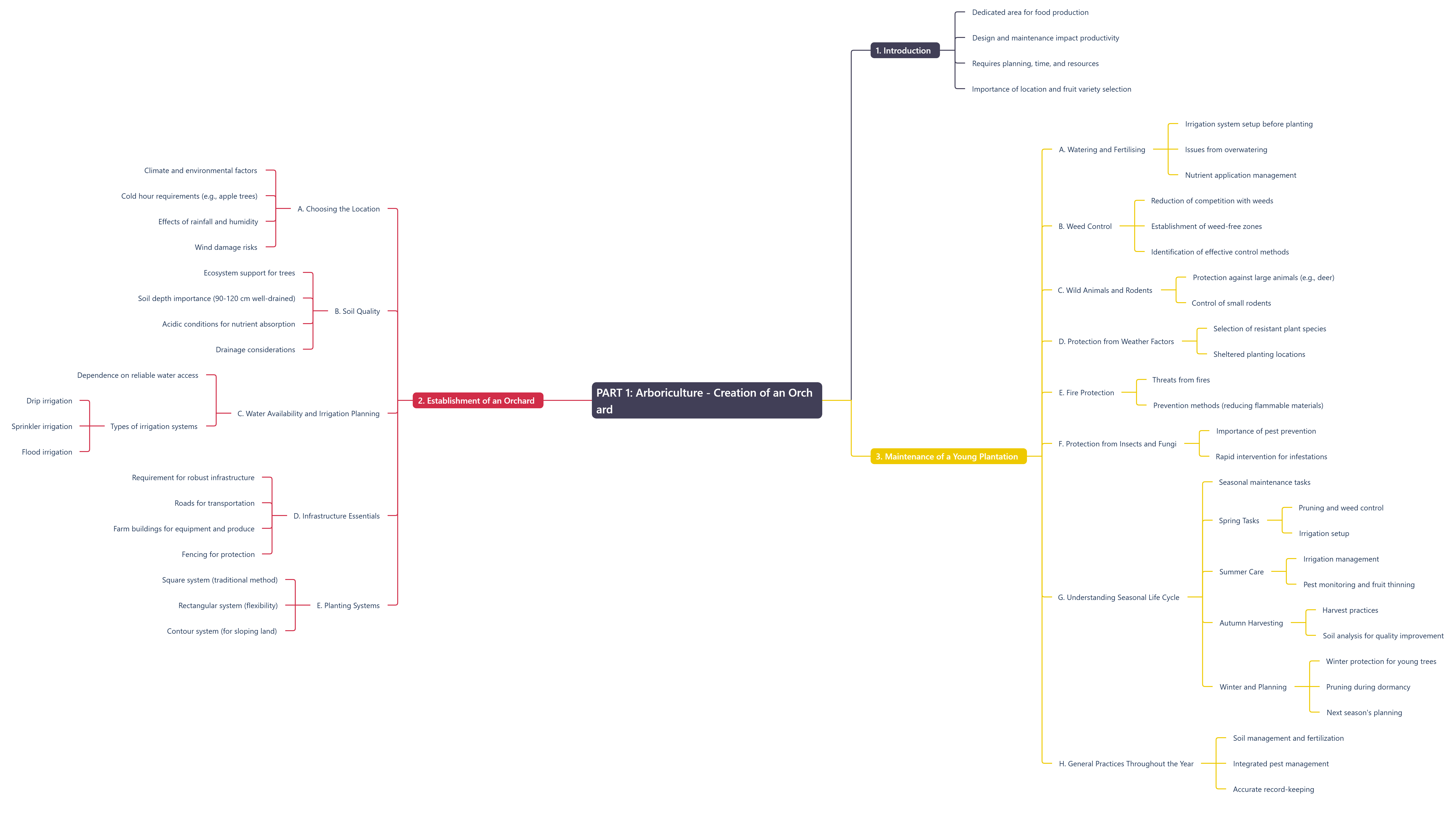
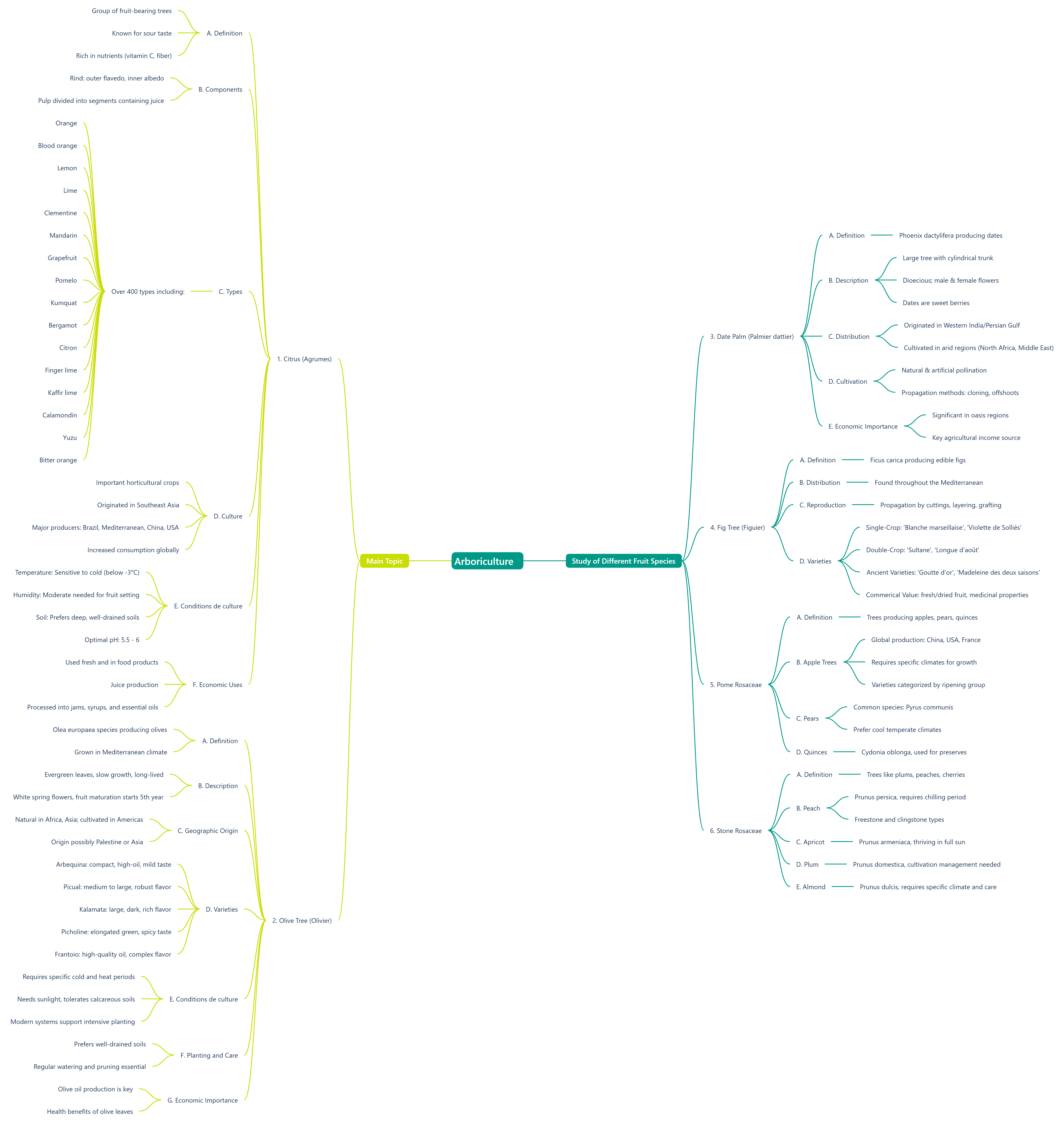
chapter 7 Study of Different Fruit Species

In this chapter, we will explore the diverse world of fruit species, with a particular focus on their botanical characteristics, nutritional value, and cultivation requirements. We begin by defining citrus fruits—known as 'Agrumes'—and examining their unique structure, from the oil-rich rind to the nutrient-dense pulp. The chapter provides a detailed overview of over 400 citrus varieties, including oranges, lemons, and hybrids like the bergamot. Furthermore, we delve into the specific environmental needs and maintenance practices for various species, such as the almond tree (Prunus dulcis), covering essential aspects like pollination, pruning, and soil management to ensure a productive harvest.
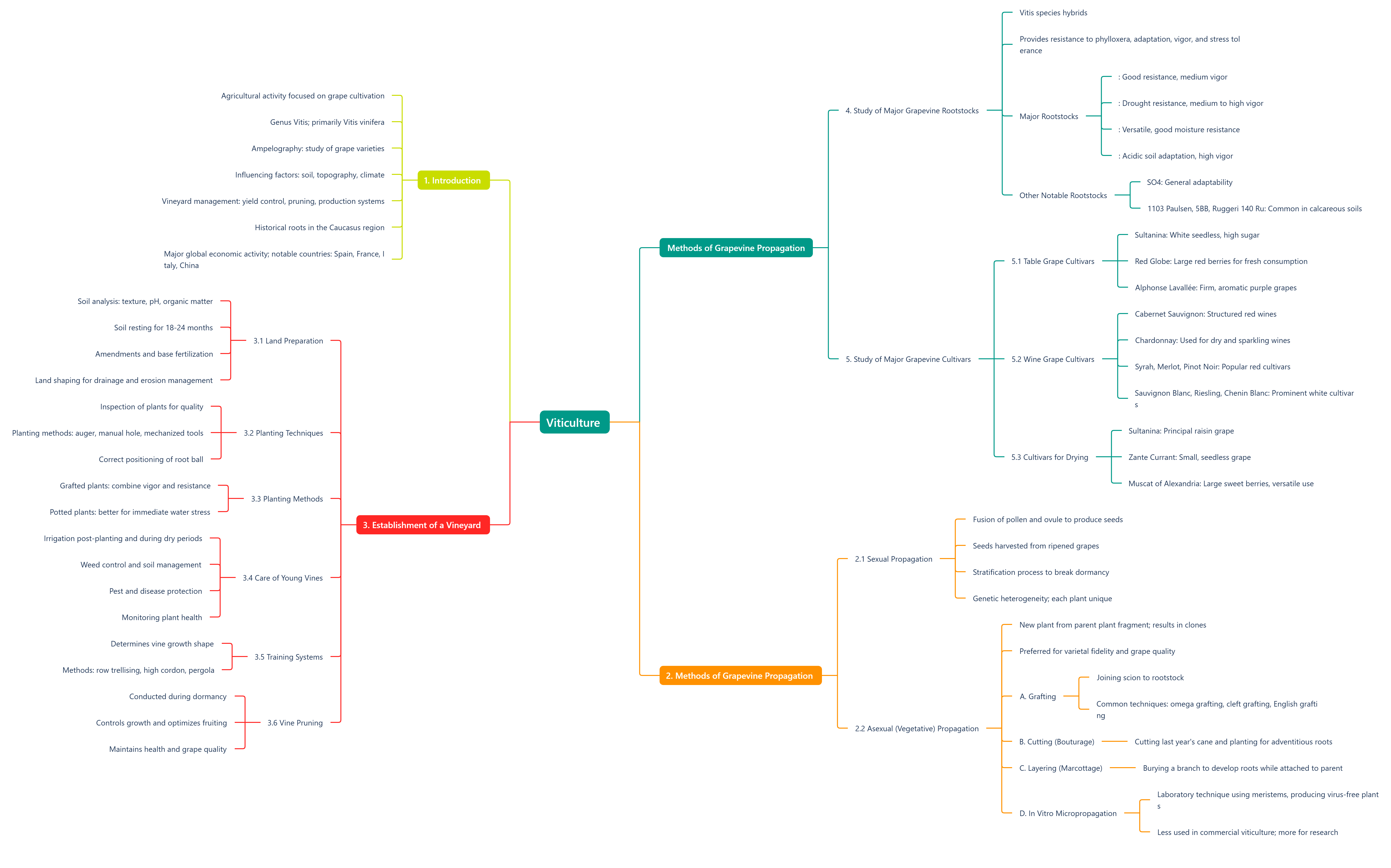
chapter 8 Viticulture
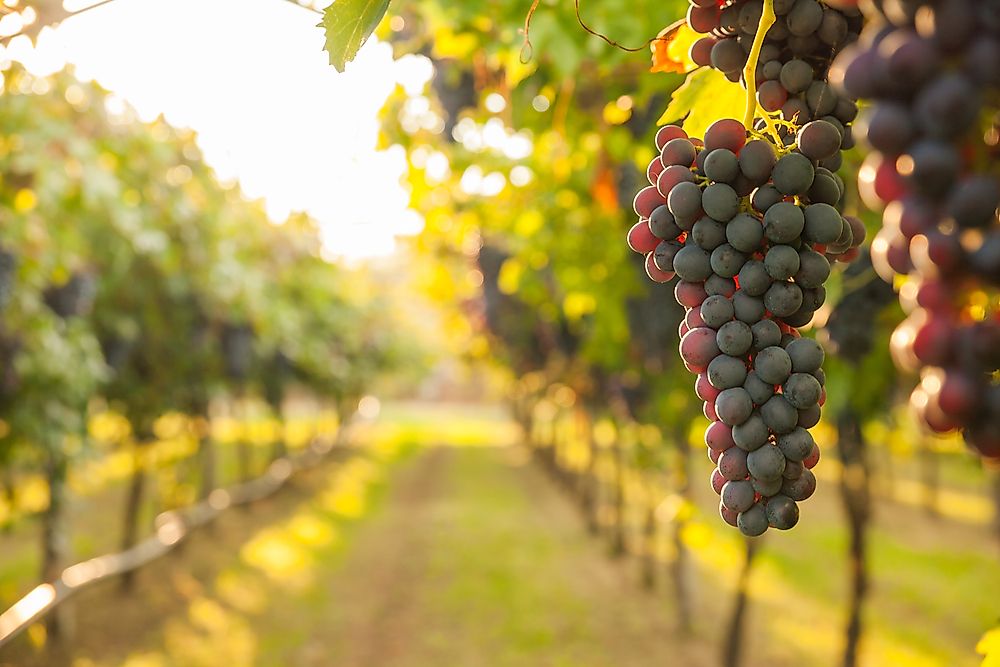
In this chapter, we will explore the fundamental principles of viticulture, focusing on the cultivation of the genus Vitis, particularly Vitis vinifera. We will examine the historical origins of grape cultivation, dating back to the 6th millennium BCE, and its evolution through significant events like the 19th-century phylloxera crisis. Furthermore, this chapter details the essential factors for successful vineyard management, including the study of varieties through ampelography, the selection of rootstocks, and the different production systems such as sustainable, organic, and biodynamic viticulture.