
الخطوط العريضة للقسم
-
Dr.LeilaBelfethi
-
AcademicRank:SeniorLecturer,ClassB(MaîtredeConférences–ClassB)
-
Institute:InstituteofNaturalandLifeSciences
-
Department:DepartmentofBiotechnology
-
Contact:belfethi.l@centre-univ-mila.dz
-
-
-
Specialization: PlantProduction(Field:AgriculturalSciences)
-
CourseTitle: AdvancedPlantPhysiology
-
Semester: 1
-
CourseType: FundamentalTeachingUnit(UEF)
-
TotalSemesterTeachingHours(VHS): 67hours30minutes
-
WeeklyTeachingHours(VHH): 6hours
-
Lectures: 3hours
-
Tutorials(TD): 0hours
-
PracticalWork(TP):1hour30minutes
-
IndependentStudyHours:82hours30minutes
-
Coefficient:3
-
Credits:6
-
-
-
Deepen understanding of transport, signaling, and metabolic mechanisms.
-
Analyze plant responses to environmental stresses (biotic and abiotic).
-
Master the concepts of Source and Sink to optimize agricultural yield.
-
Introduce students to modern laboratory techniques (biophotonics and enzymatic assays).
-
-
-
Cell Biology: Structure of the plant cell (cell wall, vacuole, and chloroplasts).
-
Basic Biochemistry: Structure of carbohydrates, lipids, and proteins, as well as fundamental concepts of enzymology.
-
General Plant Physiology: Basic knowledge of photosynthesis and water absorption.
-
-

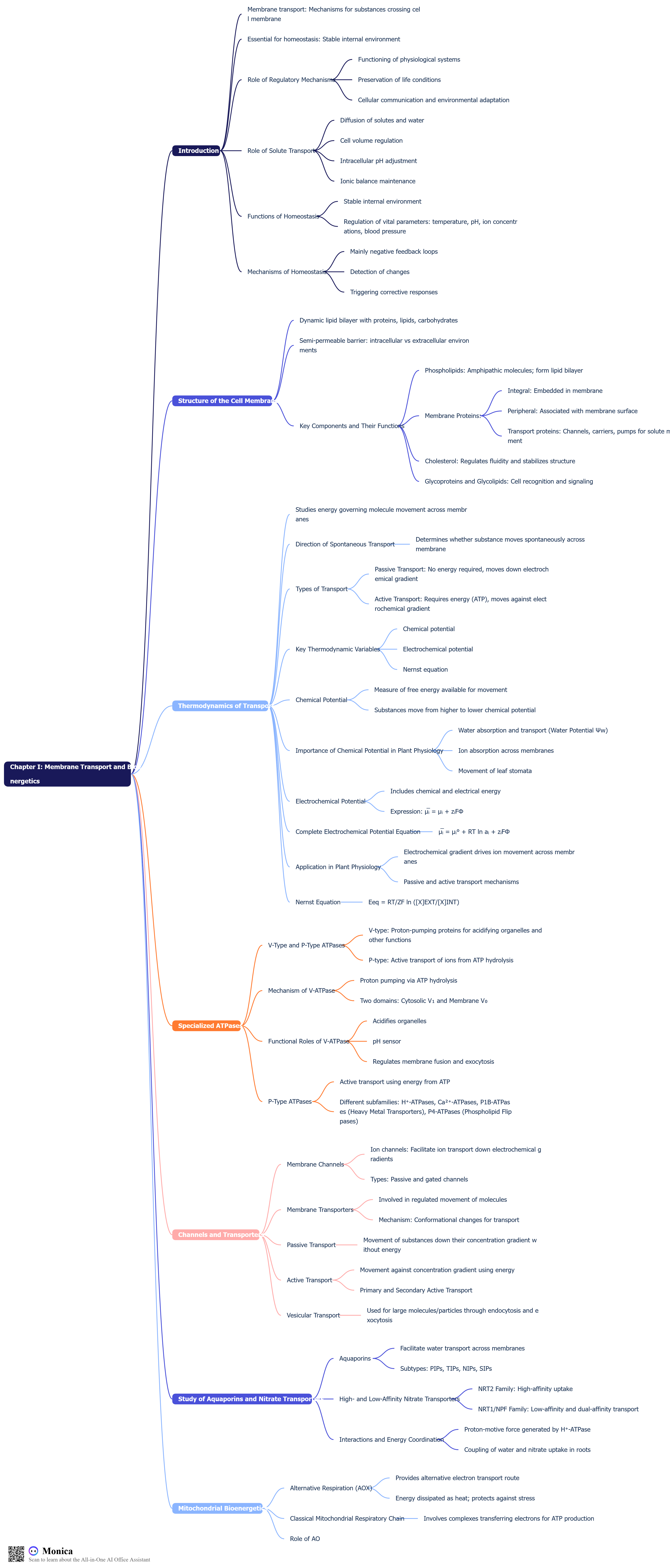
In this chapter, we will study the fundamental mechanisms of membrane transport and bioenergetics in plants, two essential processes involved in maintaining cellular homeostasis, mineral nutrition, and plant adaptation to environmental stresses. First, we will examine the structure and functional properties of biological membranes, as well as the thermodynamic principles governing the movement of water, ions, and solutes across these membranes, particularly chemical potential, electrochemical potential, and the Nernst equation.
We will then explore the different membrane transport systems, distinguishing between passive and active transport, ion channels, specific transporters, and ATP-driven pumps, particularly P-type and V-type ATPases, which play a central role in generating and maintaining electrochemical gradients. Special attention will be given to aquaporins, which regulate water transport, as well as high- and low-affinity nitrate transporters (NRT1/NPF and NRT2), which are involved in mineral nitrogen uptake and signaling.
Finally, we will investigate the mechanisms of cellular energy production and management through mitochondrial respiration, focusing on the classical respiratory chain and the alternative pathway mediated by alternative oxidase (AOX). This pathway represents an essential mechanism for regulating electron flow, limiting oxidative stress, and maintaining metabolic adaptation under unfavorable environmental conditions.
Thus, this chapter aims to provide an understanding of how plant cells coordinate membrane exchanges, energy transfers, and metabolic regulatory mechanisms to ensure proper cellular functioning, growth, and adaptation to environmental changes.
-

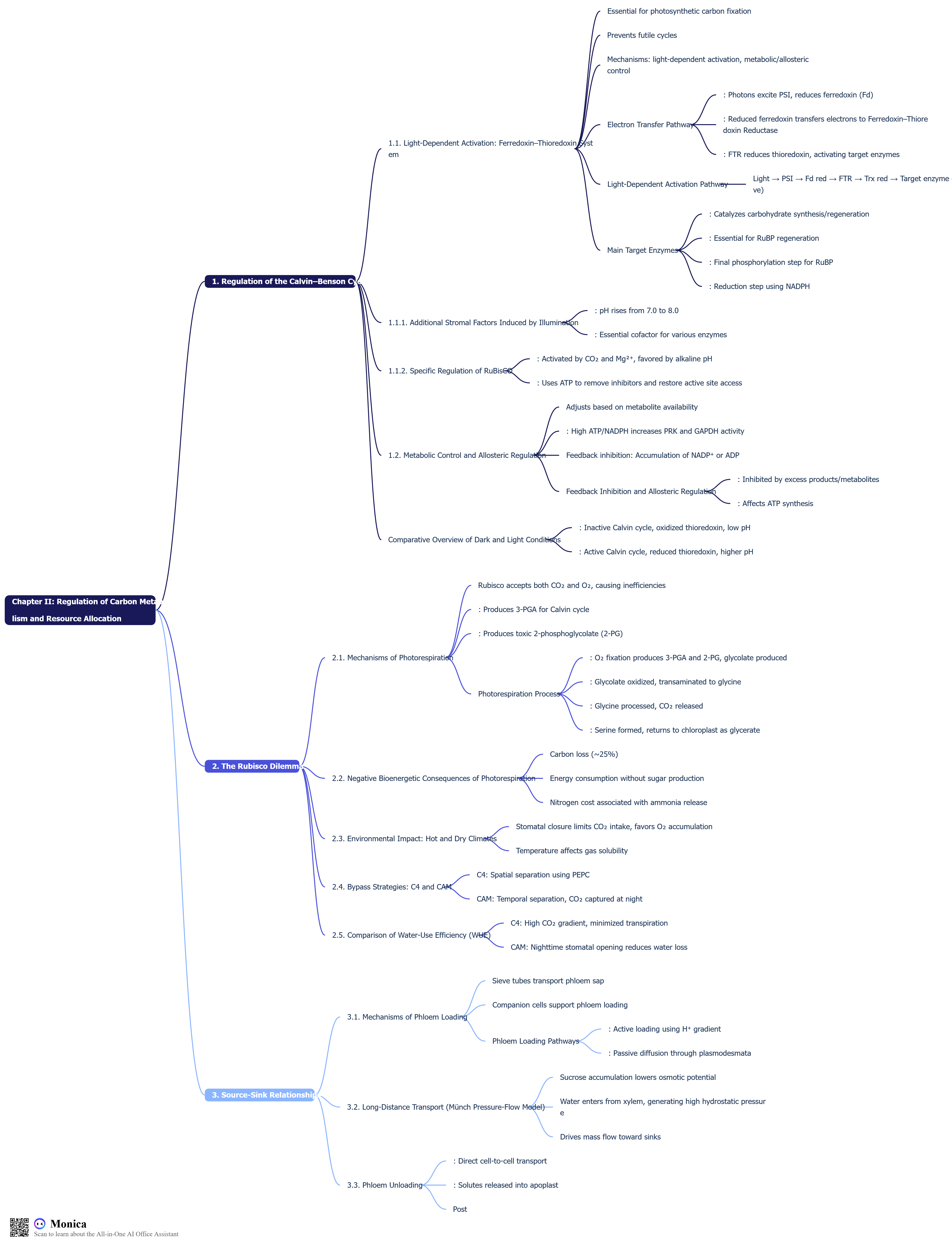
In this chapter, the regulation of carbon metabolism and resource allocation in plants is explored, highlighting the mechanisms that coordinate photosynthetic carbon assimilation, energy production, and the distribution and storage of organic compounds. These processes are essential for maintaining plant growth, development, adaptation to environmental conditions, and overall metabolic efficiency.
First, the regulation of the Calvin–Benson cycle is examined, with particular emphasis on light-dependent activation through the ferredoxin–thioredoxin system and the metabolic mechanisms controlling the activity of key enzymes. The chapter then addresses the dual catalytic activity of Rubisco, the mechanisms and energetic costs of photorespiration, and the adaptive strategies developed by C4 and CAM plants to minimize carbon losses and improve water-use efficiency. Furthermore, the source–sink relationships are discussed through the mechanisms of phloem loading and unloading, long-distance sucrose transport, and the involvement of specific membrane transporters, particularly SUT and SWEET proteins. Finally, the metabolism of starch is considered, distinguishing between transient starch accumulation in photosynthetic leaves and long-term starch storage in reserve organs such as seeds, roots, and tubers.
Overall, this chapter provides an integrated understanding of how plants regulate carbon assimilation, transport, utilization, and storage to optimize resource allocation and maintain metabolic balance under changing environmental conditions.
-

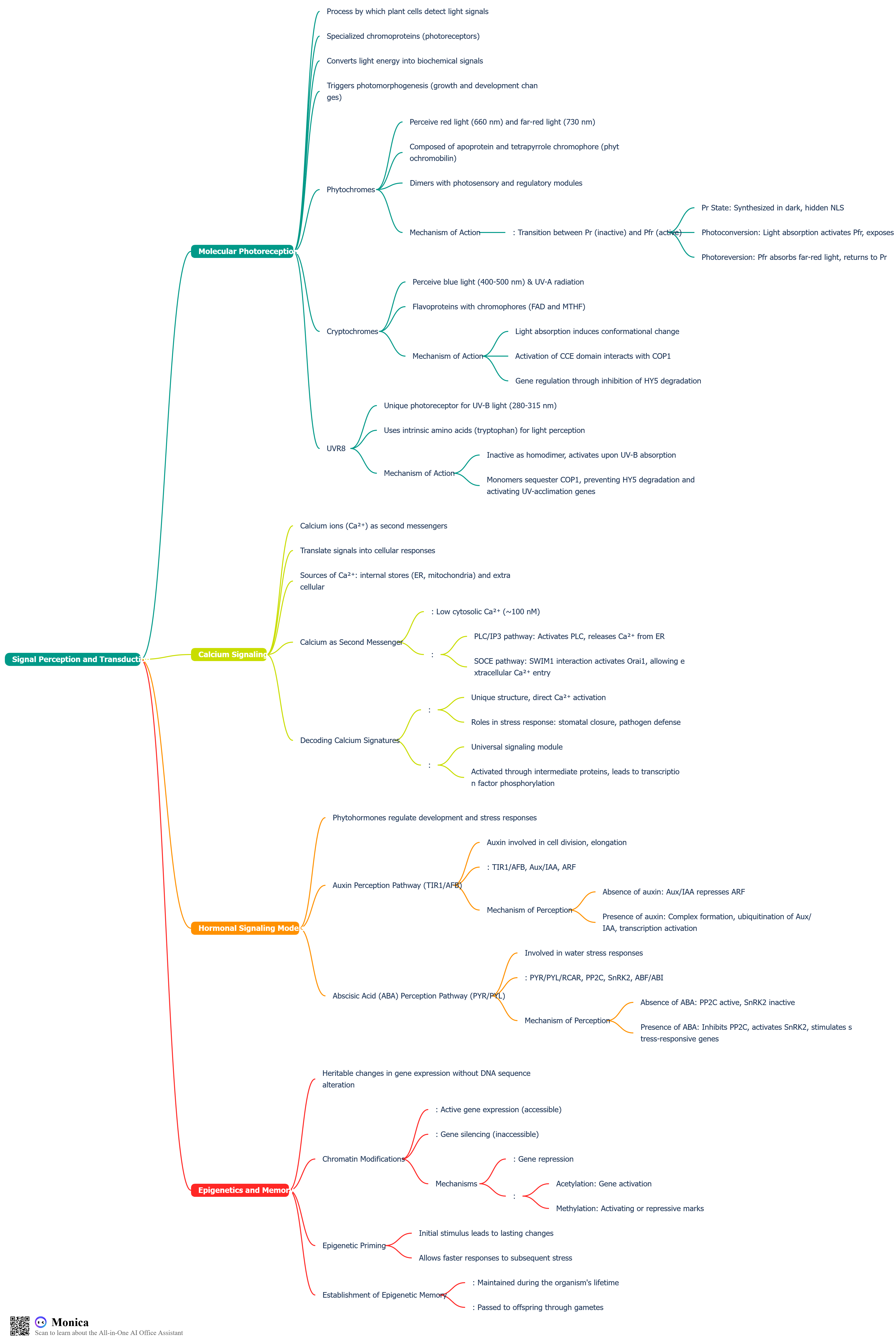
In this chapter, we will explore how plants perceive environmental signals and convert them into cellular responses through complex molecular mechanisms. Plants continuously interact with their environment by detecting light, hormonal signals, water availability, temperature changes, and other environmental stimuli. These signals are perceived by specific receptors, such as phytochromes, cryptochromes, and UVR8, which activate intracellular signaling pathways. Calcium ions (Ca²⁺) also play an essential role as second messengers, regulating protein kinases and gene expression. In addition, plant hormones such as auxin and abscisic acid (ABA) control important physiological processes, including growth, development, and responses to environmental stress. Finally, epigenetic mechanisms and stress priming allow plants to maintain a molecular memory of previous environmental conditions, helping them respond more rapidly and efficiently to future challenges. Thus, this chapter highlights the molecular mechanisms that enable plants to perceive, transmit, and memorize signals in order to adapt to changing environmental conditions.
-
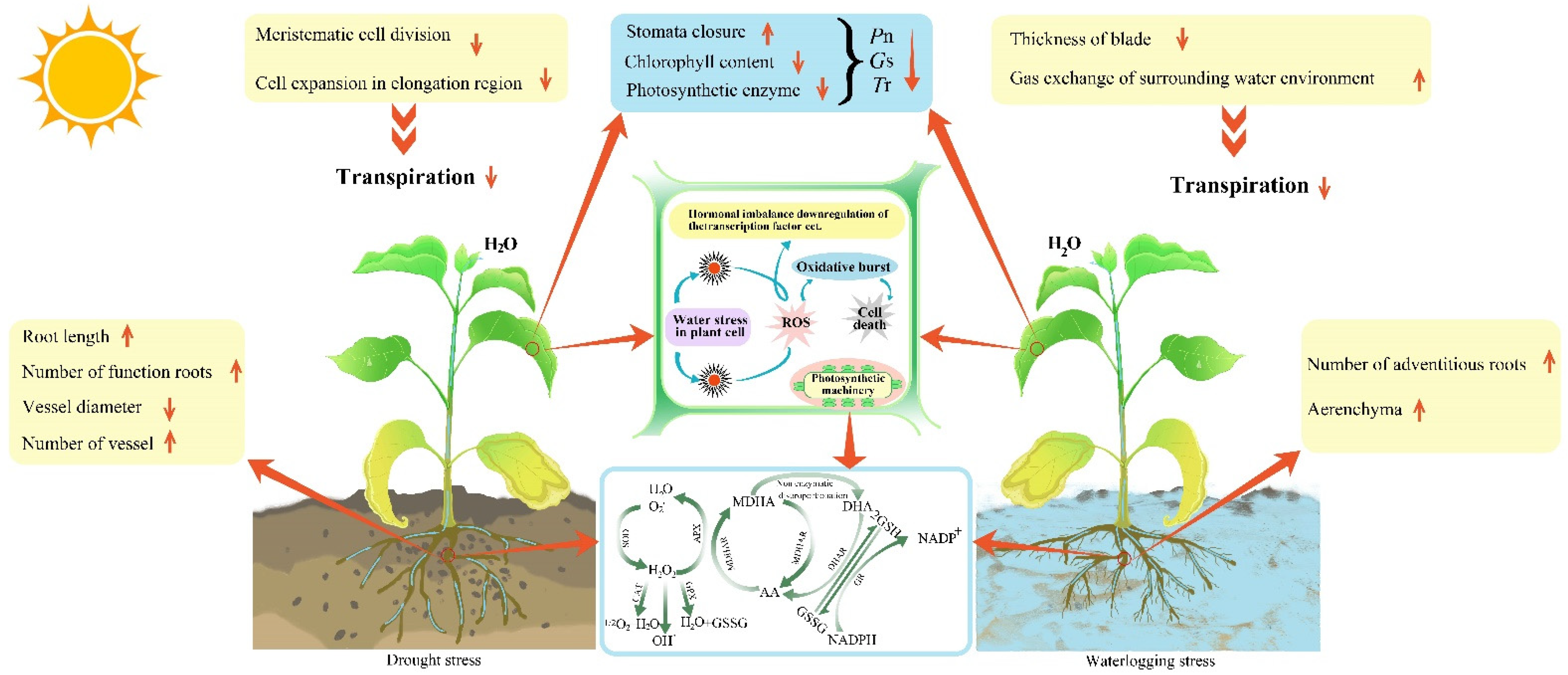
In this chapter, we will explore the physiological mechanisms involved in plant responses to environmental stresses and the role of phenotypic plasticity in plant adaptation and survival. Plants are constantly exposed to various environmental challenges, including abiotic stresses such as drought, salinity, oxidative stress, and extreme temperatures, as well as biotic stresses caused by pathogens and herbivorous organisms. These unfavorable conditions can disrupt cellular homeostasis, impair essential physiological processes, and negatively affect plant growth, development, and productivity.
To cope with these challenges, plants have developed complex adaptive mechanisms at the biochemical, physiological, and molecular levels. These mechanisms include the accumulation of compatible osmolytes, such as proline and glycine betaine, the synthesis of protective Late Embryogenesis Abundant (LEA) proteins, the activation of antioxidant defense systems to control reactive oxygen species (ROS), and the production of heat shock proteins (HSPs) to maintain protein stability under thermal stress. In addition, plants possess sophisticated innate immune systems that recognize pathogen-associated molecular patterns (PAMPs) and activate hormonal signaling pathways involving salicylic acid (SA) and jasmonic acid (JA) to coordinate their defense responses.
Furthermore, phenotypic plasticity allows plants to modify their physiological, biochemical, and morphological characteristics in response to changing environmental conditions, increasing their ability to tolerate stress and maintain essential biological functions. Understanding these mechanisms is therefore fundamental to explaining how plants adapt to environmental fluctuations, preserve cellular integrity, and improve their survival under unfavorable conditions.