Topic outline
Présentation de l'auteur
Dr. belfethi leila
Grade : Maître de Conférences Classe « B »
Institut: Des sciences de la nature et de la vieDépartement des Sciences Biologiques et Agricoles
Contact : belfethi.l@centre-univ-mila.dz
Subject: Vegetable crops (Cultures maraichères)
Course Specifications: 3rd Year (L3)
Subject: Vegetable crops (Cultures maraichères)
Teaching Unit: Core Unit (UEF1 - Unité d’Enseignement Fondamentale)
Field: SNV (Nature and Life Sciences)
Faculty: of Nature and Life Sciences (SNV)
Department: of Biological and Agricultural Sciences
Specialty: Plant Production
Semester: 6
Academic Year: 2026/2027
Credits: 06
Coefficient: 03
🎯 Learning Objectives of the Teaching Unit
By the end of this teaching unit, students will be able to:
Master Nursery Production Techniques: Understand the specific methods used for the propagation and cultivation of young plants in a nursery setting.
Understand Protected Cropping: Gain knowledge of the principles and practices of growing crops under protective structures (greenhouses, tunnels, etc.).
Explore Soilless Culture: Learn the technical aspects and management of hydroponic or substrate-based growing systems (hors-sol).
Identify Specialized Vegetable Crops: Recognize and manage the most commonly produced special vegetable crops specific to the Algerian agricultural context.
📚prérequis
To succeed in this unit, it is recommended that students have a foundation in:
General Agronomy: Basic principles of agricultural production.
Bioclimatology: The relationship between climate and living organisms.
Plant Biology & Physiology: Understanding how plants function and develop.
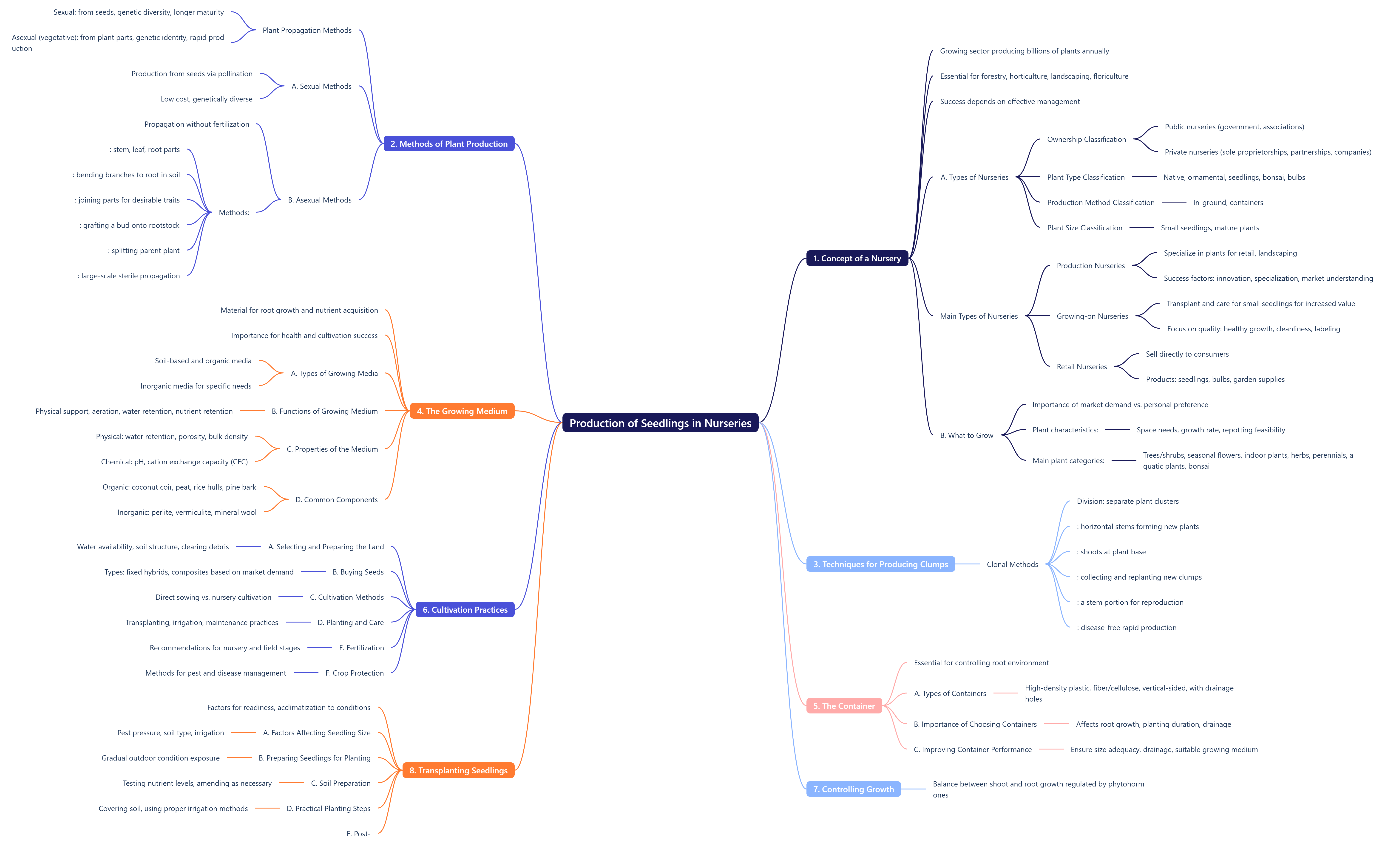
Chapter 1: Seedling Production in the Nursery

In this chapter, the production of seedlings in nurseries is presented as a fundamental pillar of the forestry, horticulture, and landscaping sectors
. The success of a nursery depends on effective management, sustainability, and making decisions based on commercial demand rather than personal preference . The following key areas are explored in this chapter:
Nursery Classification and Specialization: Nurseries are categorized by ownership (public or private) and by their specific roles in the supply chain, such as production nurseries, growing-on nurseries, or retail nurseries.
Plant Propagation Methods: The text details both sexual methods (using seeds to achieve genetic diversity) and asexual (vegetative) methods—such as cuttings, grafting, layering, and tissue culture—to preserve desirable traits and accelerate growth
. Growth Environments: An analysis of various growing media (soil-based, organic, or inorganic) is provided, focusing on essential functions like aeration, water retention, and nutrient supply
. Container Technology: Different types of containers, from high-density plastic to biodegradable fiber, are discussed regarding their impact on root development and transplant success
. Cultivation and Protection: The chapter covers practical field practices including land preparation, irrigation, fertilization, and integrated crop protection against pests and diseases
. Scheduling and Management: A systematic approach to production scheduling is outlined to ensure healthy seedlings reach the field at the optimal time while minimizing resource loss
.
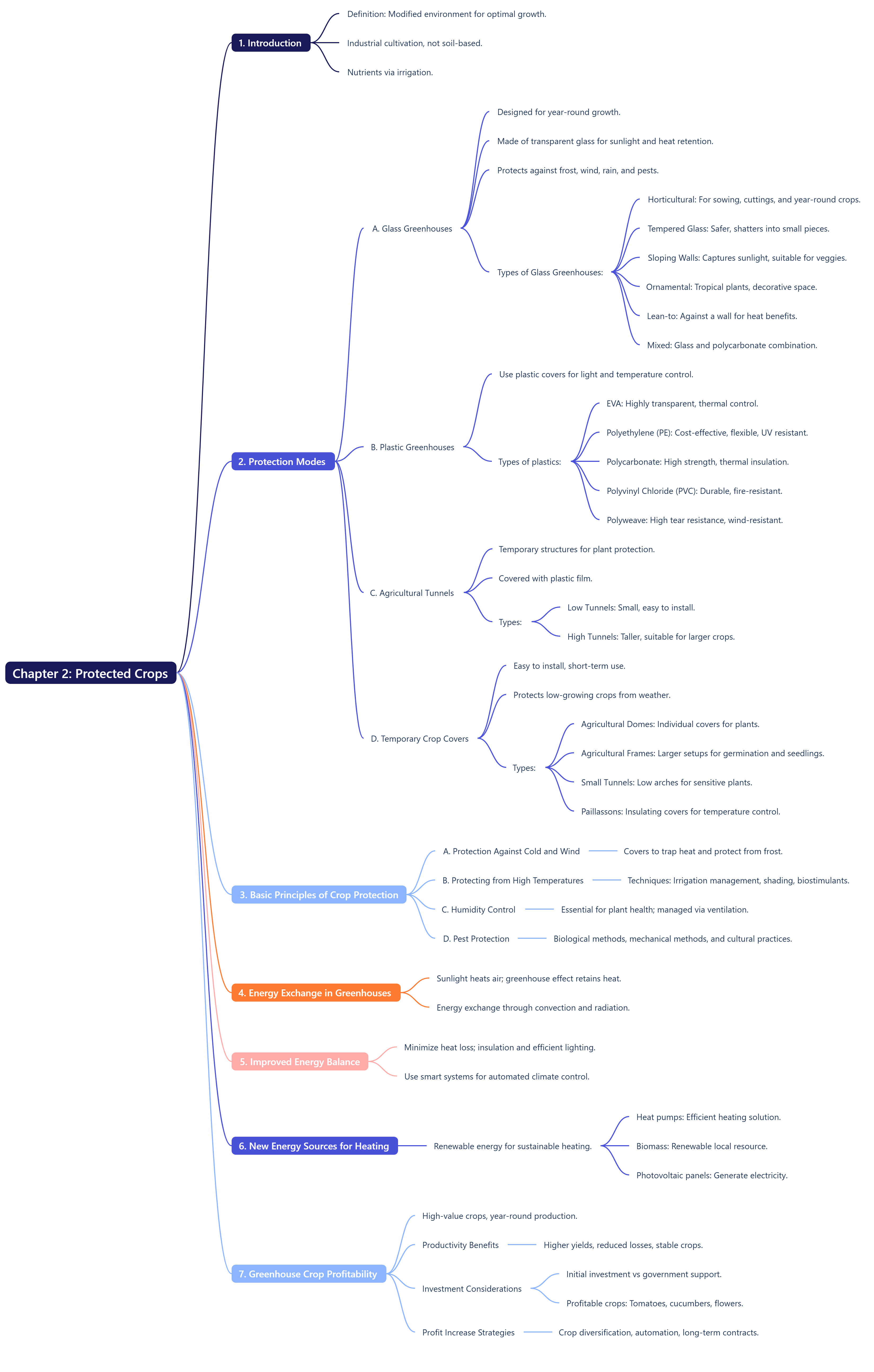
Chapter 2 : Protected crops
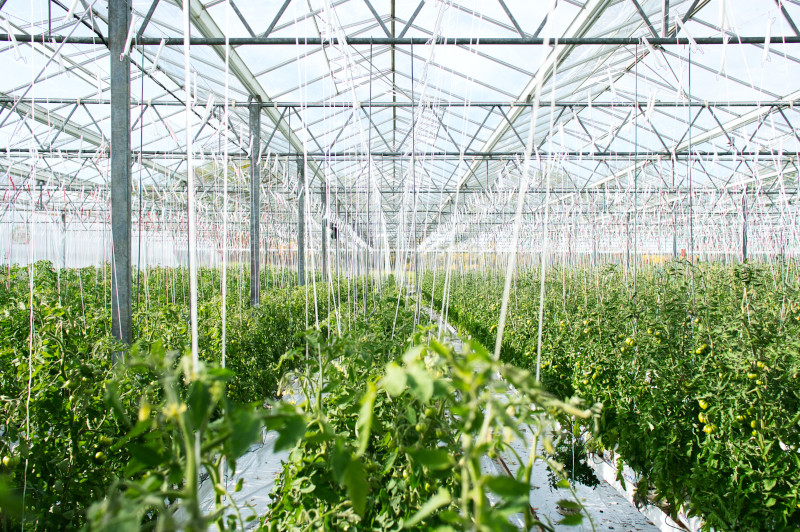
In this chapter, we explore the concept of protected cropping, which refers to the cultivation of horticultural crops in a modified environment designed to provide optimal growing conditions
. This system protects plants from pests and adverse weather by utilizing an industrial environment rather than traditional soil . the chapter covers several critical aspects of this agricultural method:
Technological Categories: An overview of the technology used, ranging from low-tech polytunnels and medium-tech polyhouses to high-tech glasshouses featuring extensive automation
. Protection Modes: A detailed look at different structures, including glass greenhouses known for their durability and light transmission, various types of plastic greenhouses, and agricultural tunnels
. Environmental Management: Strategies for managing abiotic stresses such as extreme temperatures and humidity, as well as biotic stresses like pests and diseases
. Energy and Sustainability: Methods to improve the energy balance of shelters and the integration of renewable energy sources like heat pumps, biomass, and solar panels
. Economic Viability: An analysis of the profitability of protected agriculture, highlighting high-value crops like tomatoes and flowers, and the importance of automation in reducing costs
Chapter 3 Soilless cultivation
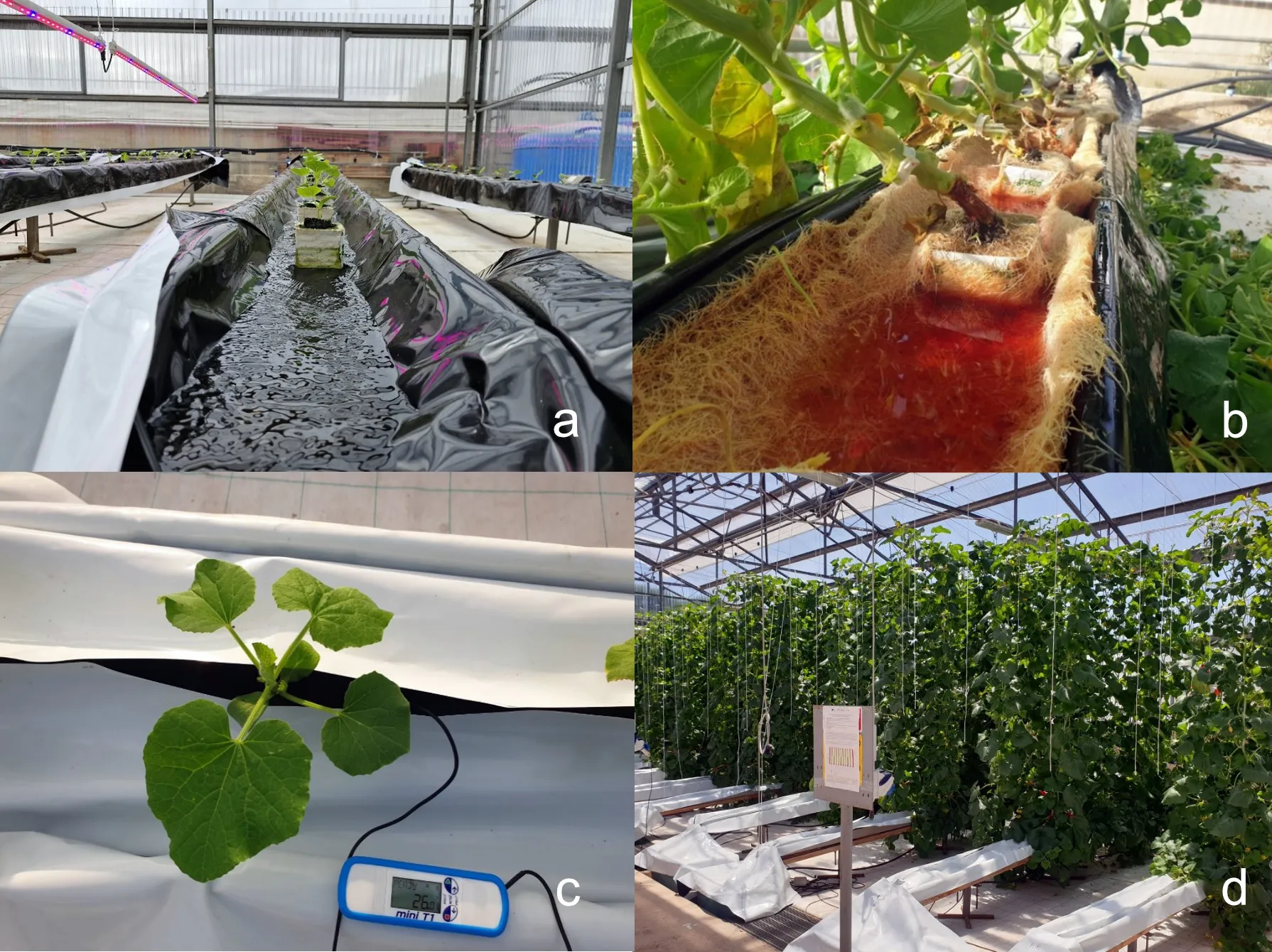
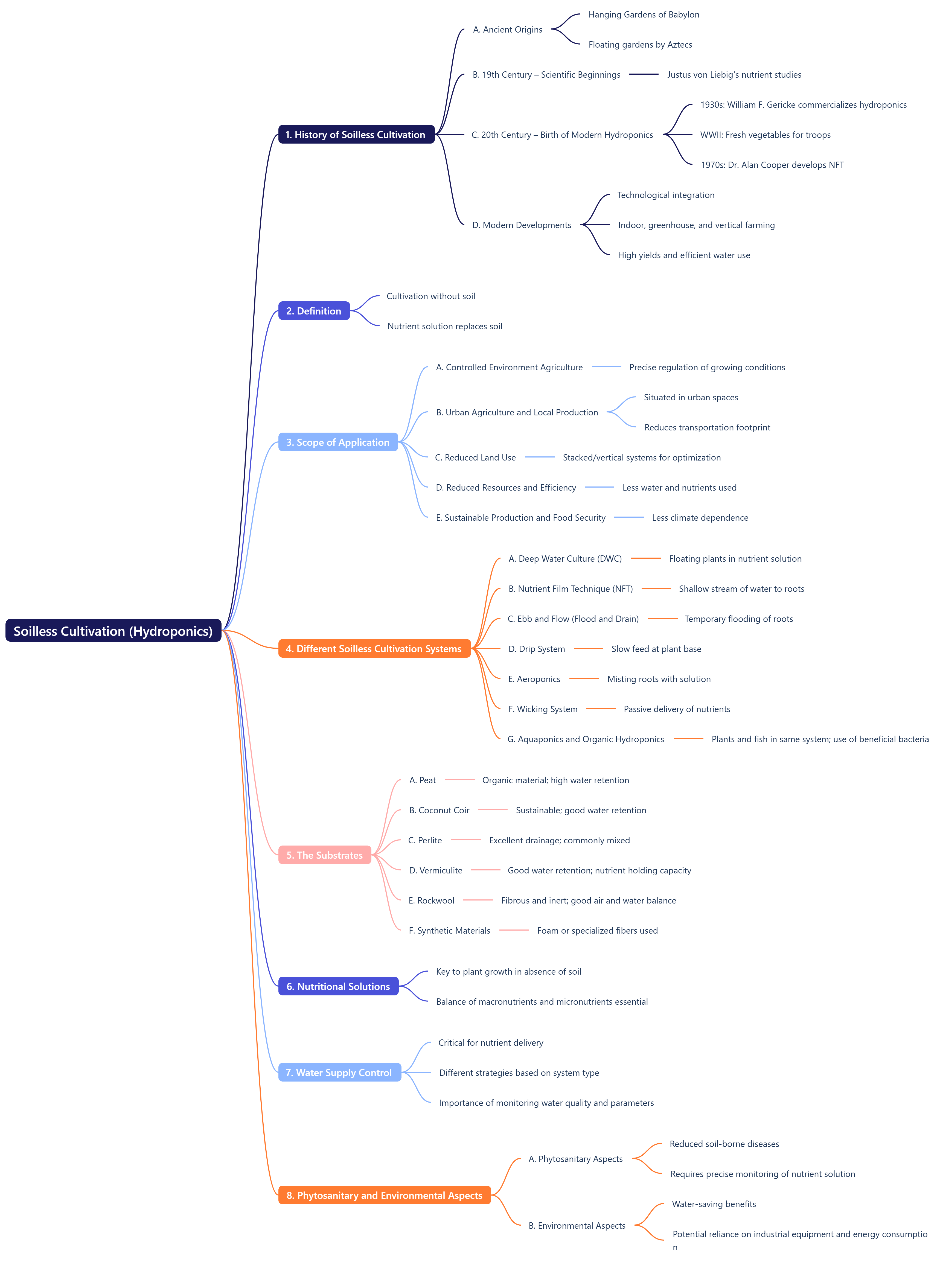
In this chapter, we explore the foundations and applications of soilless cultivation, a farming method in which plants complete their entire production cycle without their roots coming into contact with natural soil
. Also known as hydroponics, this technique relies on the use of a nutrient-rich water solution or a neutral growing medium to provide roots with the water, dissolved oxygen, and mineral elements essential for plant growth . This chapter details several key aspects of this technology:
Historical Evolution: From ancient origins like the Hanging Gardens of Babylon to 19th-century scientific foundations and the birth of modern hydroponics in the 20th century
. Cultivation Systems: An analysis of various methods such as Deep Water Culture (DWC), Nutrient Film Technique (NFT), Ebb and Flow, Drip systems, Aeroponics, and Aquaponics
. Technical Components: The importance of selecting appropriate substrates (such as peat, coconut coir, or perlite) and the precise management of nutrient solutions and water supply
. Contemporary Issues: The advantages regarding food security, reduced land use, and resource efficiency, while also addressing phytosanitary risks and environmental debates like energy consumption
.
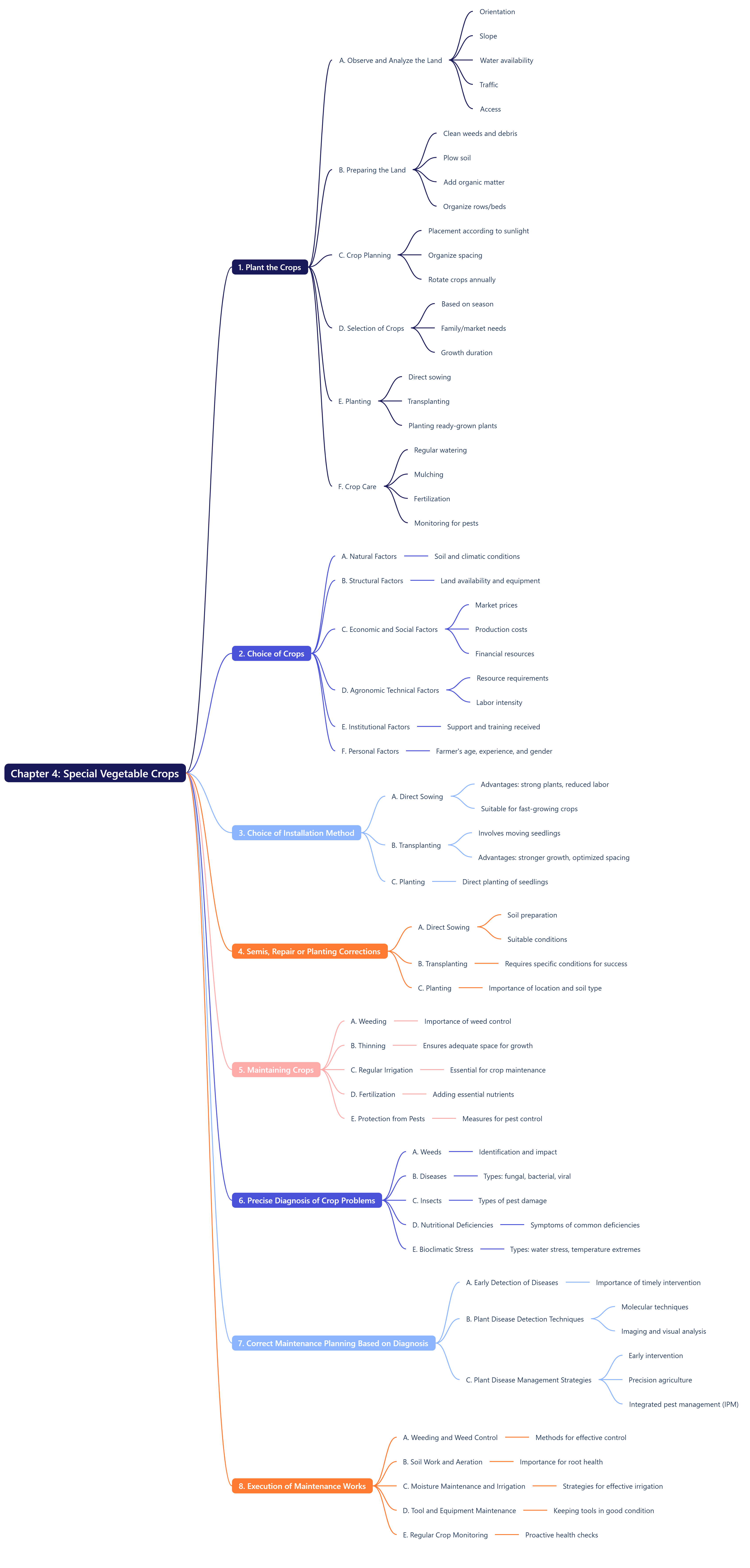
Chapter 4 Special vegetable crops
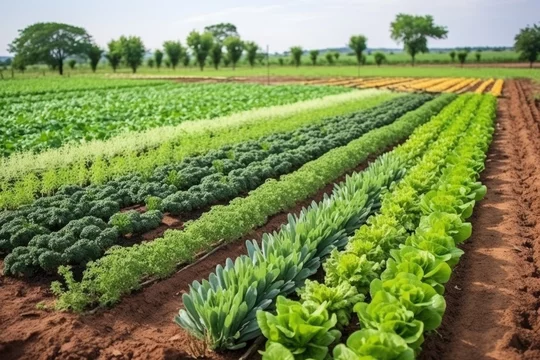
In this chapter, we explore the foundations and applications of soilless cultivation, an agricultural method where plants complete their entire production cycle without their roots coming into contact with natural soil
. Also known as hydroponics, this technique involves raising plants using a nutrient-rich water solution or a neutral growing medium to provide all elements necessary for growth . This chapter details several key aspects of this technology:
Historical Evolution: We trace the practice from ancient origins, such as the Hanging Gardens of Babylon and Aztec floating gardens, to the scientific foundations laid in the 19th century and the birth of modern commercial hydroponics in the 20th century
. Cultivation Systems: An analysis of various methods, including Deep Water Culture (DWC), Nutrient Film Technique (NFT), Ebb and Flow, Drip systems, Aeroponics, and Aquaponics
. Technical Components: The importance of selecting appropriate substrates—such as peat, coconut coir, perlite, and rockwool—and the precise management of nutrient solutions to ensure optimal pH and salinity levels
. Contemporary Applications and Challenges: The role of soilless agriculture in urban environments, its efficiency in water and land use, and the phytosanitary and environmental considerations regarding energy consumption and pathogen control
.
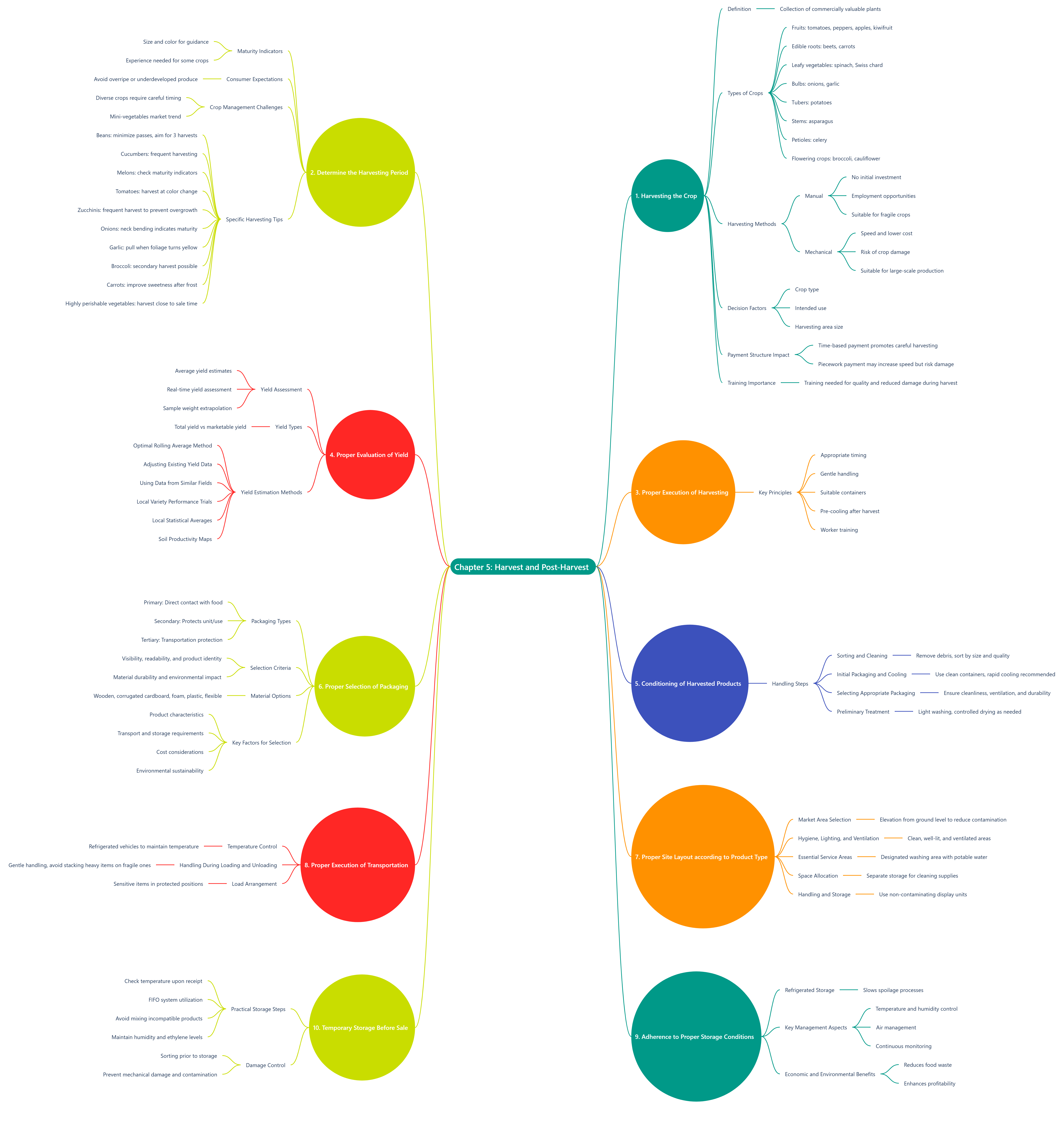
CHAPTER 5: Harvesting and Post-Harvest

In this chapter, we examine the critical final stages of the agricultural production cycle: harvesting and post-harvest management
. The quality and shelf life of vegetable products depend significantly on how they are handled from the moment they are picked until they reach the consumer . This chapter covers several essential topics
: Harvesting Principles: We explore the criteria for determining harvest maturity, distinguishing between physiological and commercial maturity to ensure optimal product quality
Post-Harvest Physiology: An analysis of the biological processes that continue after harvest, such as respiration and transpiration, and how these factors influence the degradation of the product
. Conservation and Storage: The role of temperature, humidity, and atmospheric composition in slowing down senescence and preserving the nutritional value of vegetables
. Technical Operations: A review of the necessary steps following harvest, including sorting, cleaning, packaging, and transport, to minimize physical damage and waste
.