Comprehension and Oral Expression Course


Office Hours: wednesday and Thursday from 09:300 AM to 11:00 AM (Office 05).
Forum Responsiveness: Any question related to the course content must be posted on the dedicated Moodle platform forum so that all students can benefit from the answer. I commit to answering forum posts within 48 hours.
Via Email: I commit to responding to emails within 48 hours of receipt, except in unforeseen circumstances. The online forum remains the preferred communication channel; email is strictly reserved for "emergencies" (such as platform access issues) and must be used discerningly.
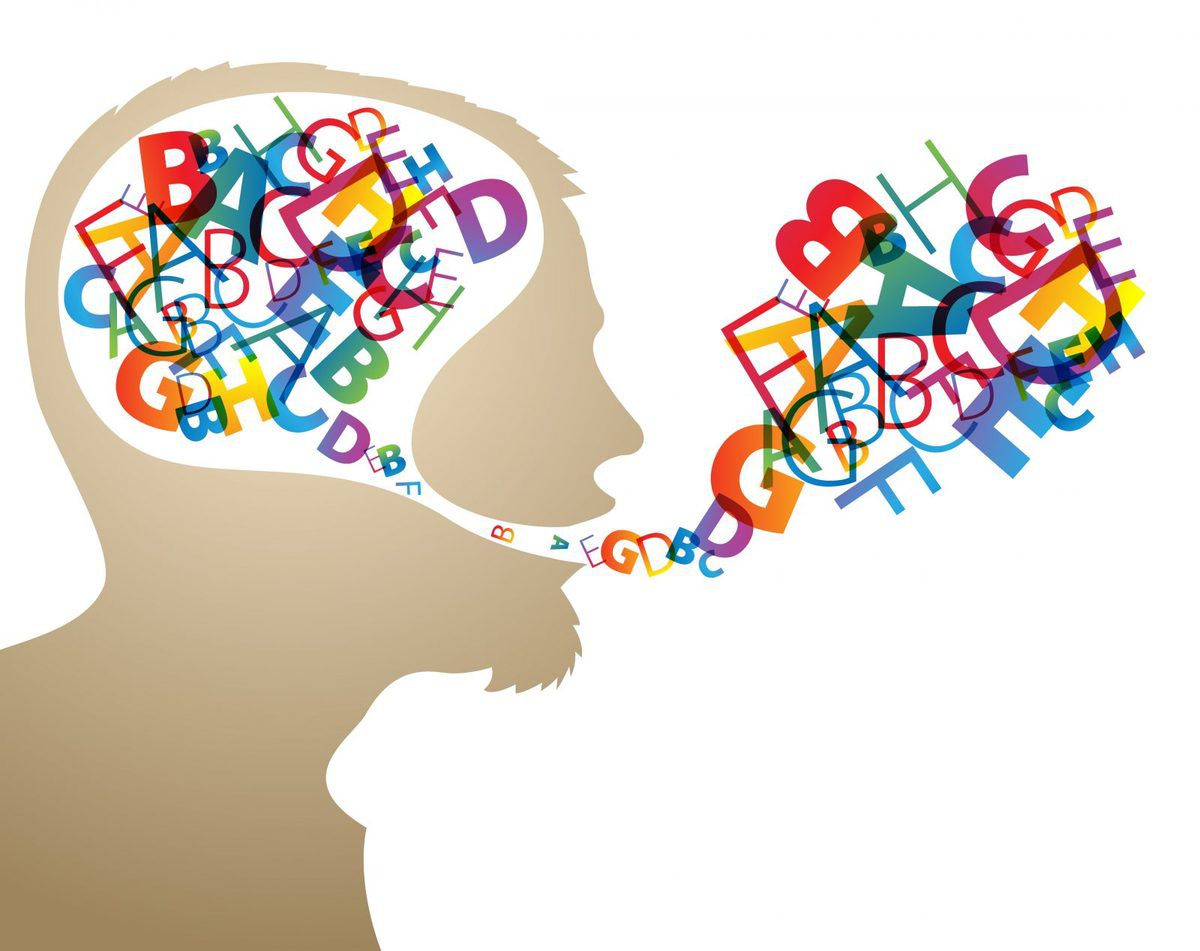
This course is designed to develop second-year EFL students’ communicative competence through the integrated practice of listening, speaking, reading, and writing skills in authentic and meaningful contexts. Grounded in a communicative and learner-centred approach, the course encourages students to use English as a tool for interaction, critical inquiry, and intercultural engagement.
The course places particular emphasis on oral communication, active listening, vocabulary development, pronunciation, fluency, and discourse organisation. Students engage in a variety of interactive learning experiences, including discussions, debates, presentations, collaborative projects, reflective tasks, and multimedia-based activities. These tasks are designed to foster critical thinking, creativity, problem-solving skills, and learner autonomy.
It is organized into two complementary semesters that progressively develop students' communicative competence through theme-based instruction. The first semester focuses on personal narratives and digital storytelling, enabling students to develop self-expression, narrative competence, and oral communication skills. The second semester adopts a content-based approach centered on climate change and sustainability, encouraging students to engage critically with contemporary global issues while further developing their language proficiency and digital literacy.

This course aims to advance advanced listening precision, diagnostic categorization, and persuasive oral production by exploring global climate discourses and educational mobilization. .
Target Objectives:
1. Identify and recognize regional accents and formal registers in global climate discourses (Knowledge).
2. Summarize and paraphrase the primary drivers and catastrophic results of global warming (Comprehension).
3. Apply specific environmental terminology and persuasive strategies to resolve real-world scenarios (Application).
4. Analyze and contrast opposing arguments regarding socio-economic drivers of climate change (Analysis).
5. Critique and evaluate peer presentations using standardized criteria grids (Evaluation).
6. Synthesize source information into a structured oral campaign proposal (Synthesis)
Students enrolling in this course are expected to possess the following foundational skills:
-Linguistic Competence: Demonstrable foundational proficiency in the four core language strands (listening, speaking, reading, and writing), underpinned by a functional command of English grammar, vocabulary, and pronunciation.
-Textual Comprehension and Analysis: The capacity to interpret, analyze, and appropriately respond to a variety of oral and written texts of moderate complexity.
-Academic Discourse and Presentation: Basic oral communication skills necessary for active engagement in academic seminars, collaborative group work, and structured presentations.
-Autonomous and Collaborative Learning: The capacity for independent study, critical self-reflection, and productive cooperation within diverse peer groups.
Students have a language test in the first session. The test focused on evaluating students’ abilities in vocabulary, meaning, and grammar. The test aimed to check on students’ linguistic competence which would enable them to communicate effectively. The teacher aims to create a remedy session, or advance to the current course through the test.