
Topic outline
-
Target public: 2nd year Process engineering/ Semester: 3
Teaching Unit: UEF 2.1.2
Course title: Mineral Chemistry
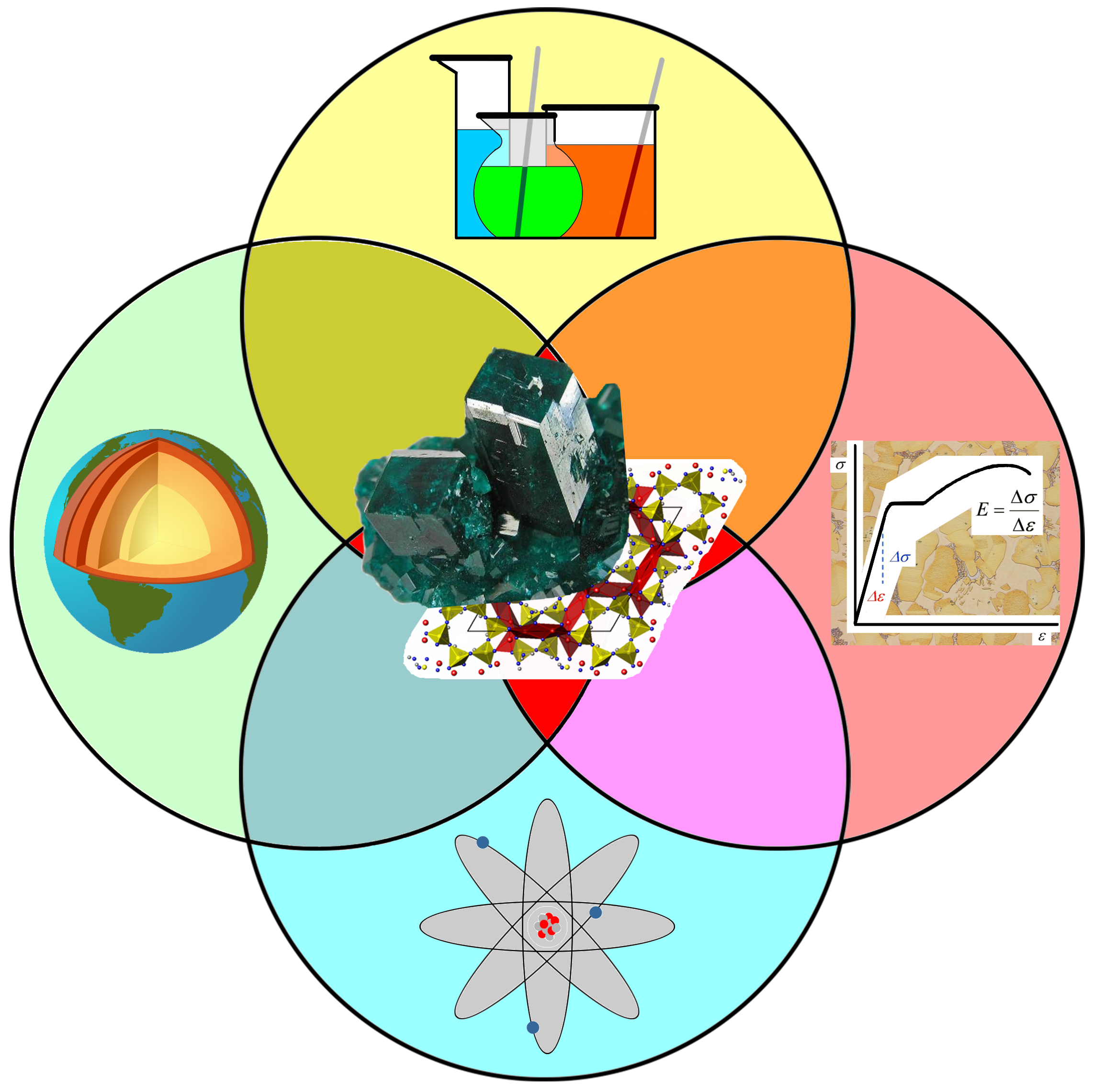
Credit: 4
Coefficient: 2
Duration: 15 weeks
Weekly timetable: - 1h 30 min course +1h 30min tutorial group
Place of teaching: classroom 23 for the course and classroom 1 for tutorial group
Evaluation methods: - Final exam 60%
- Continue evaluation 40%
Teacher: Dr. Merzouki Soraya
Contact: s.merzouki@centre-univ-mila.dz
Availability: every day at head of department's office -
Provide the basic concepts of inorganic chemistry
Learning of some methods such as crystallography and synthesis. -
Basic concepts of general chemistry
-
Mole
Molar mass
Molar volume

Mole fraction
Mass fraction
Volume fraction
Density
specific gravity
Relationship between mass fraction and mole fraction
Material balance: Concept of reactant and excess reactant, Concept of excess percentage, Concept of conversion percentage.
-
for more explication in chapter 1 you can ask using the following link
-
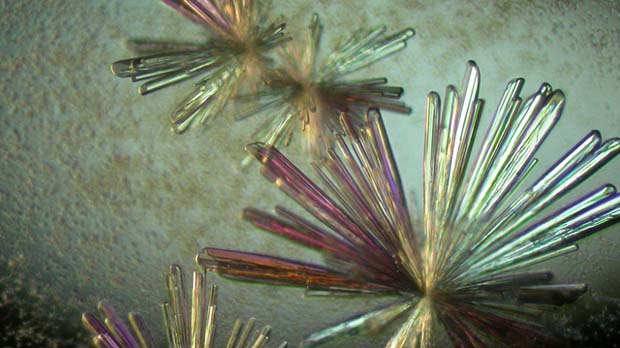
Definitions
Crystal
Polyhedron
Crystalline lattice
Cell: motif, crystallographic sites, coordination number
Crystalline system
Crystallographic computations :
direction& plan (Miller Indices), distance, angle, density (multiplicity , compactness)
Some examples of crystalline structures:
metallic, ionic, covalent.
Molecular structure: ice structure -
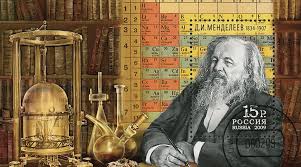
Historic review about Mendeleev Table
Periodic Classification
Groups A in the periodic table:
Alkaline Metals (IA)
Alkaline Earth Metals (IIA)
Boron family (IIIA)
Carbone family (IVA)
. Nitrogen family (VA)
-Chalcogen family: (VIA)
. Halogens family (VIIA)
-
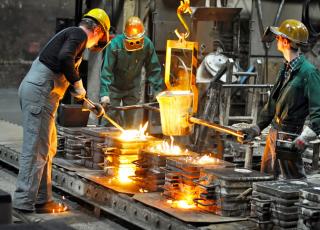
Definitions
Metallurgy
Ores
subject of metallurgy
Mineral dressing
Chemical metallurgy
Physical metallurgy
Mechanical metallurgy
Powder metallurgy
the major metallurgy
Iron (Fe)
Titanium (Ti)
Copper (Cu)
Magnesium (Mg)
-
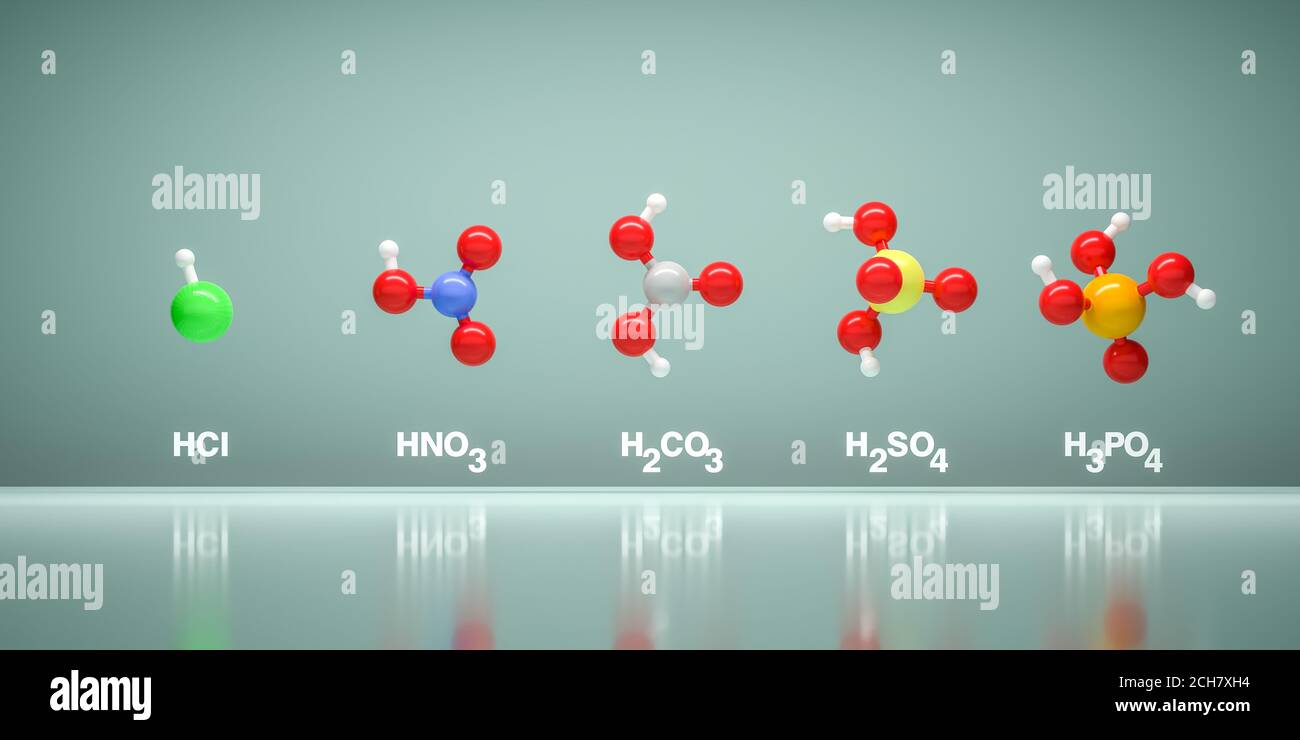
Sulfuric acid H2SO4
phosphoric acid H3PO4
ammonia NH3
nitric acid HNO3 -
- Lalaymia youcef, cours chimie minérale pharmaceutique, departement de pharmacie, université de Batna , 2020.
- Donald E. Sands, Introduction to cristallography,DOVER PUBLICATIONS, INC , NEW YORK, USA, 1993.
- Bouchiba nabila, cours de chimie minérale et application , université Ahmed Ben Bella, Oran.
- Andrée Harari et Noël Baffier, DES SYMÉTRIES AUX PROPRIÉTÉS , Fondation de la maison de chimie, 2015.
- R.-B. Li et al, MPROVEMENT OF MODELING ON THE PIDGEON PROCESS FOR MAGNESIUM PRODUCTION BY INTRODUCING THE VARIABLE THERMOPHYSICAL PROPERTIES. J. Min. Metall. Sect. B-Metall. 58 (3) (2022) 451 - 459.
- Marck E. Schlesigner et al, Extractive Mettalurgy of cupper, 5th edition, Elseiver, 2011
- European Fertilizer Manufacturers’ Association, PRODUCTION OF AMMONIA, Ave. E van Nieuwenhuyse 4, B-1160 Brussels, Belgium. 2000.
- Donald Parnell, P.E., Basic Principles of Metallurgy and Metalworking. Woodcliff Lake, NJ 07677